Step 1: Veterinary Care
Experts: Consult a veterinarian with experience in caring for rodents or exotic pets.
Health check-ups: Schedule regular check-ups and discuss vaccinations and parasite control.
Step 2: Create a suitable habitat
Space requirements: Ensure sufficient space; for adult animals, an outdoor enclosure of at least 12 x 20 feet is recommended.
Environment: Includes both sunny and shady places; if placed indoors, maintain a 12-hour light-dark cycle.
Step 3: Shelter
Buildings: Provide sturdy shelters, such as sheds or dog kennels.
Bedding: Use hay for warmth in winter, and use heat lamps when the temperature is below 45°F.
Summer care: Includes a water bowl for hydration and temperature control.
Step 4: Enter the water
Swimming area: Provide a swimming area at least 3.5 feet deep to allow for full immersion and swimming.
Design: Ensures easy entry and exit from the water to prevent accidents.
Step 5: Safety Measures
Fence: Install a sturdy fence, at least 4 feet high, with no gaps. Consider reinforcing it with a concrete base to prevent escape.
Step 6: Diet
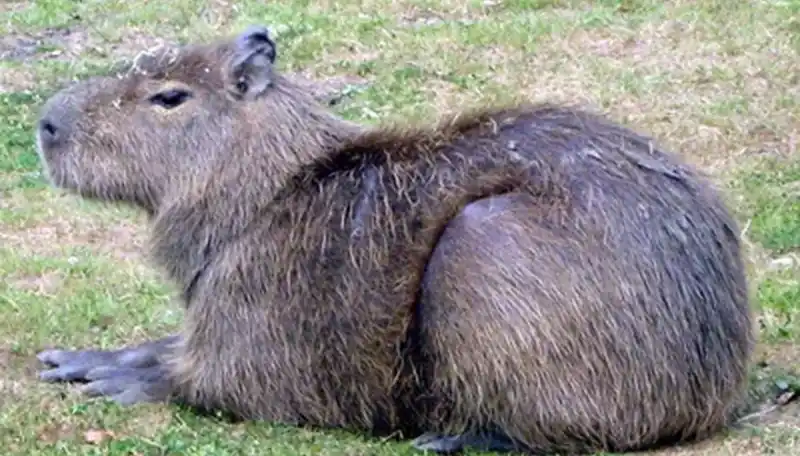
Basic diet: Capybaras are herbivores; they mainly feed on grass.
Supplements: Fruits, vegetables, and special granules are provided as supplements or snacks.
Step 7: Dental Health
Chewing needs: Provide branches (such as birch and willow) to manage tooth growth and health.
Monitoring: Regular dental checkups to prevent overgrowth and related health problems.
Important Notes
Legality: Check local wildlife regulations, as capybaras are not legal everywhere.
Social needs: Capybaras are social animals; consider keeping multiple capybaras for companionship.
Cost: Be prepared to incur significant initial and ongoing costs for care, feeding, and fence maintenance.
in conclusion
For those with the space and resources to meet their needs, capybaras can make adorable pets. Thorough preparation and a commitment to their well-being are essential to providing a nurturing environment for these unique creatures.