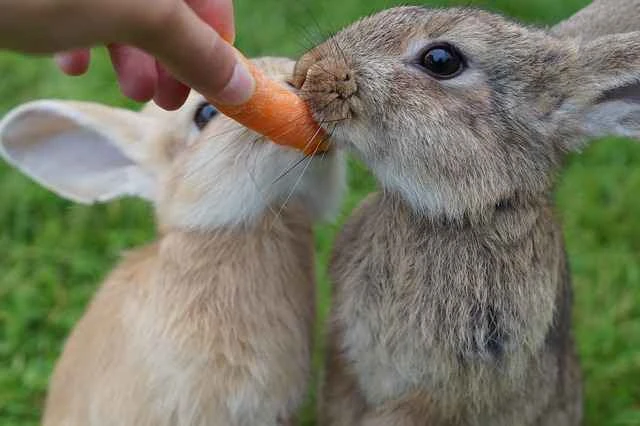
A recent report by Goldman Sachs, a well-known US investment bank, shows that the number of pets in China has surpassed the number of children under four years old for the first time. This trend is expected to become even more pronounced by 2030, with the number of pets approaching twice the number of children. This data not only reflects a shift in Chinese residents' consumption habits but also reveals a thought-provoking phenomenon in modern life: the parallel rise of the pet economy and the "loneliness economy."
The booming pet economy is no accident. With accelerating urbanization, the pace of social development and life is accelerating, leading to increasing competitive, economic, and other pressures. Coupled with changing views on marriage and relationships among young people, more and more are choosing to remain single or postpone marriage. Against this backdrop, pets have become important companions and even emotional support for young people.
The booming pet market is based on this emotional need. According to industry big data, the consumption scale of the cat and dog market in urban China reached 279.3 billion yuan in 2023, a year-on-year increase of 3.2%. It is projected that by 2026, the pet consumption market will jump to 361.3 billion yuan. These figures indicate that the pet economy is demonstrating enormous growth potential. From pet food and supplies to pet healthcare and grooming, the related industrial chain continues to extend, and the market size continues to expand. This not only provides pet owners with more choices and convenience but also injects new vitality into economic development.
However, the booming pet economy also reflects the development of the "loneliness economy." In today's social environment, loneliness has become the norm for young people, and the "loneliness economy" appears in various forms in people's lives, including mini karaoke rooms, mini fitness pods, and unmanned convenience stores. Meanwhile, online games, live streaming, and short-term rentals, which have social attributes, have also become havens for people to seek solace and temporarily escape loneliness in the virtual world.
However, we should also recognize that the prosperity of these two economic models has brought some problems and challenges. Some people are becoming overly reliant on the "loneliness economy," gradually reducing their interaction with the outside world. In the long run, they may become emotionally isolated, disconnected from society, negatively impacting their mental health and personal development.
Therefore, we should view the simultaneous rise of the pet economy and the "loneliness economy" with a rational and prudent attitude. On the one hand, we should acknowledge their positive impact on society and the economy, such as enriching people's lives, promoting employment, and driving economic growth. On the other hand, we should also be wary of the potential risks and guide people to remember to build genuine and deep emotional connections with others and actively integrate into society while enjoying the warmth of pet companionship.
May we all find our own balance in the interplay between interpersonal relationships and the "loneliness economy." Let pets be a beautiful embellishment in our lives, let the loneliness economy be a haven for our brief respite, and let the emotions between people be a sweet spring that nourishes our hearts.