Have you ever seen a mysterious little creature quietly crawling on the exterior walls or low eaves of a house on a summer night? That's very likely a gecko (Tarentola mauritanica), also known as the "wall dragon," a common reptile. In fact, reptiles are a long-standing and diverse branch of the animal kingdom.
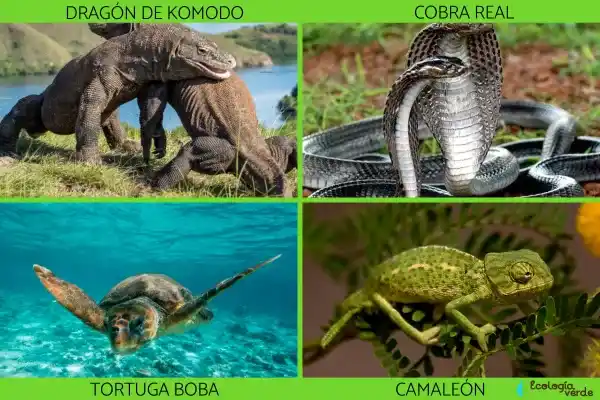
If you are interested in these animals and want to learn about the different types of reptiles and their characteristics, please continue reading this article. We will provide you with a comprehensive introduction to the types, characteristics, and ten typical representatives of reptiles.
What are reptiles? What are their main characteristics?
Reptiles are a group of vertebrates characterized by their movement by crawling on their bellies or creeping. This mode of locomotion stems from their ancestors' original aquatic life, during which they gradually adapted to terrestrial environments over a long evolutionary process. Nevertheless, many reptiles still prefer to live near water sources, such as lakes, riverbanks, wetlands, and swamps.
The core characteristics of reptiles include:
It belongs to the phylum Vertebrata, alongside mammals, birds, amphibians, and fish.
There are currently about 8,240 known species of reptiles.
The body surface is covered with dry, keratinous scales to prevent moisture loss.
Breathing is entirely through the lungs.
They are cold-blooded animals, and their body temperature depends on the external environment for regulation.
Most species have vertical pupils, long tails, and forked tongues.
In terms of reproduction, most are oviparous (reproducing by laying eggs), and a small number are viviparous.
They have a diverse diet, including carnivorous, insectivorous, herbivorous, and omnivorous animals, with a range of food from invertebrates to birds and small mammals.
The classification system of reptiles (4 major categories)
Based on evolutionary and morphological characteristics, reptiles are divided into the following four major categories:
Squamata: This order includes lizards and snakes, and comprises the largest group of reptiles, with approximately 3,000 species.
Anapsida : This refers to turtles and tortoises, and there are about 300 species worldwide.
Rhynchocephalia : the rarest, with only 2 species, the representative species being the Tuatara lizard from New Zealand.
Crocodilomorpha : Includes about 20 species such as crocodiles and alligators.
Introduction to the Top Ten Representative Reptiles
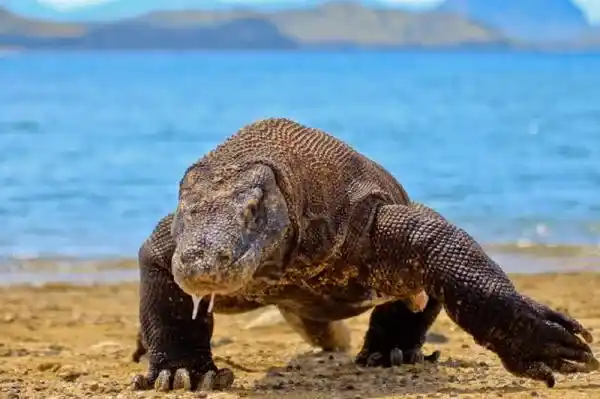
1. Komodo dragon (Varanus komodoensis)
The world's largest lizard, also known as the Komodo dragon, is native to Komodo Island and its neighboring islands in Indonesia. Adults can reach 3 meters in length and weigh up to 135 kilograms. They sometimes prey on smaller members of their own species and may even attack adults.
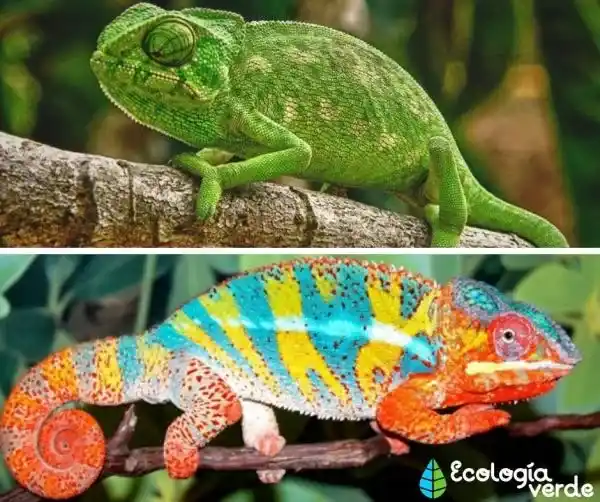
2. Common chameleon (Chamaeleo chamaeleon)
It has an exceptional ability to change color, a laterally compressed body, a pointed head, and eyes that can move independently. Its extremely long tongue is used to quickly capture insects, making it a highly representative arboreal reptile.
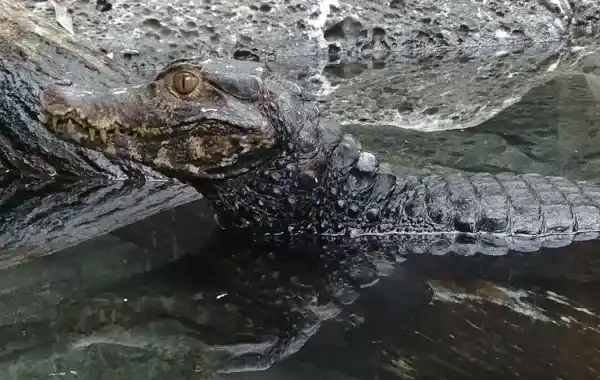
3. Cuvier's Caiman (Paleosuchus palpebrosus)
These small crocodiles, found in the rivers of the South American rainforest, have a head outline similar to that of a canine. They are among the smallest crocodiles, with adult males typically not exceeding 1.5 meters in length.
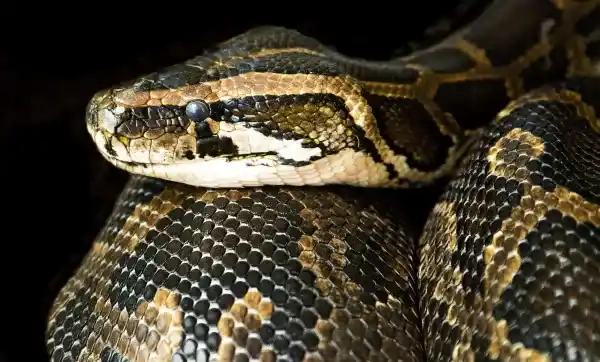
4. Indian Python (Python molurus molurus)
The prototype of the creature referred to as "Kaa" in "The Jungle Book". It can reach a length of 5 meters and weigh nearly 90 kilograms, and lives in South Asia, including India, Nepal, and Pakistan.
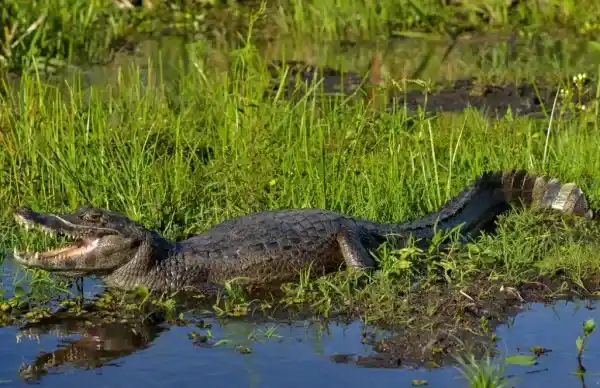
5. Black Caiman (Caiman yacare)
These crocodiles, found in tropical and subtropical regions of South America, can reach a maximum length of 3 meters. They are dark in color and are therefore known as "black caimans".
6. Loggerhead turtle (Caretta caretta)
Also known as the hawksbill turtle or sea turtle. A large sea turtle species, typically reaching 90 cm in length, with the largest recorded individual reaching 2.5 meters. Females migrate back to their birth beach to lay eggs, covering distances of thousands of kilometers.

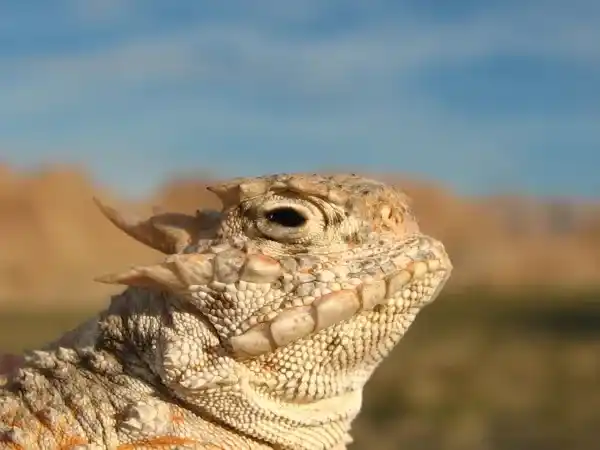
7. Phrynosoma cornutum
Also known as the "Texas Chameleon," it is found in the desert regions of the southwestern United States and Mexico. It possesses a unique defense mechanism: it can shoot blood up to 1.5 meters from the corner of its eye to scare away predators.
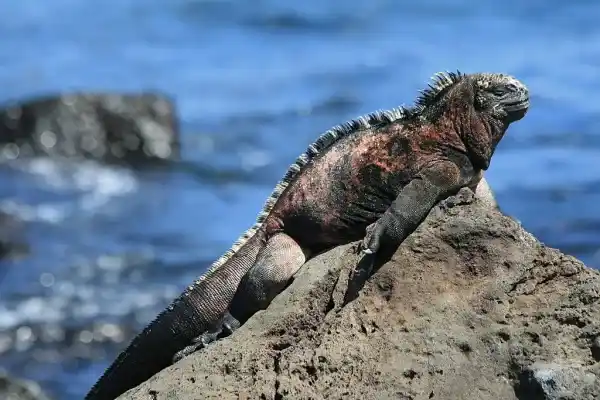
8. Marine iguana (Amblyrhynchus cristatus)
The Galapagos Islands are endemic marine reptiles, and the world's only marine iguana that feeds on seaweed. Adults can reach 1.5 meters in length and weigh about 15 kilograms.
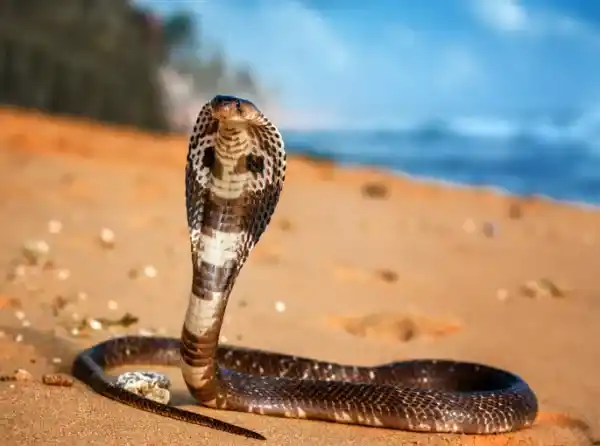
9. King Cobra (Ophiophagus hannah)
The world's largest and most venomous snake, it inhabits India, southern China, and Southeast Asia. It can reach lengths of up to 6 meters and primarily feeds on other snakes.
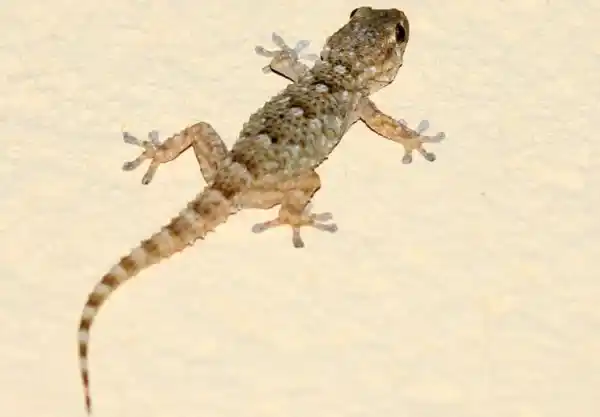
10. Common Gecko (Tarentola mauritanica)
Widely distributed in the Mediterranean region, it is nocturnal and often forages for insects near lights. Because of its resemblance to a small dragon, it is also known as "little wall dragon" or "wall dragon".
If you are interested in reptiles, you can also continue reading the following related articles:
The role of reptiles in the ecosystem
Top 10 Most Venomous Snakes
[List of Endangered Turtles in the World]
Category tags : Reptiles | Animal Encyclopedia | Wildlife Conservation | Species Diversity
If you enjoyed this article, please feel free to share it on social media so that more people can learn about these amazing reptiles!
References
St. Eugenia National Nature Park. (2020). Reptiles. Source: http://www.naturaparc.net/reptiles.html