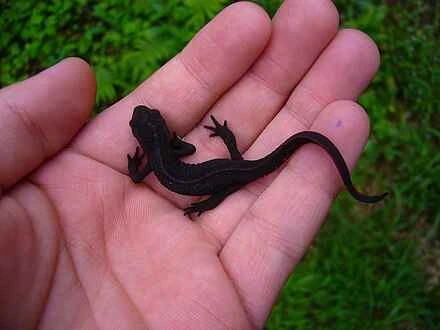
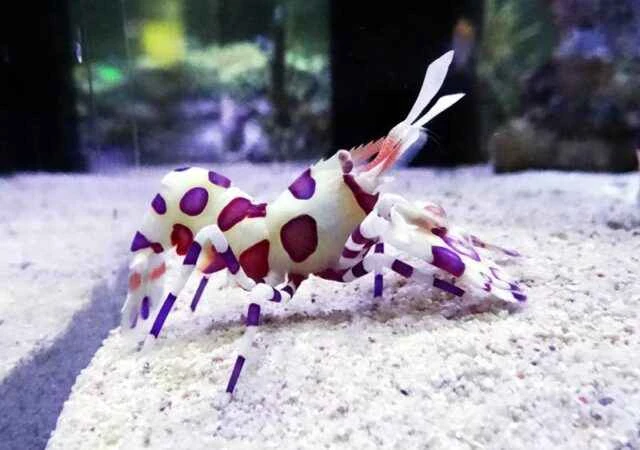
Snakes, lizards, alligator snapping turtles, tree frogs... these "little guys" that are hard to get close to humans are now the top choice for pets among those born in the 1990s and 2000s.
According to the "Pet Consumption Ecosystem Big Data Report" released by CBNData, in addition to cats and dogs, the niche pet market has flourished in the past three years. Ornamental turtles, due to their small size, ease of care, and moderate price, have become the most popular niche pets online in the past year; birds and rabbits have also become new internet sensations due to their cute appearance. Currently, Changsha not only has a unique reptile and exotic pet community, but has even seen the emergence of reptile cafes and exotic pet veterinarians.
These niche pets, distinct from cats and dogs that are not fully domesticated by humans, bring a different life experience to young owners.
Most cold-blooded animals are docile.
"A wooden reptile enclosure the size of a microwave oven, multiple lamps to simulate sunlight to promote calcium absorption, and a simulated basking platform are all the equipment needed to keep a bearded dragon. The total cost, including the purchase of a regular live animal, is no more than 1,000 yuan." On September 8, Mr. Yang from Changsha explained to the reporter while gently pinching the tweezers in his hand, picking up a lively Dubia roach from a plastic storage box, and extending it to the mouth of the orange-colored bearded dragon.
This bearded dragon, about 30cm long, with a back covered in spiky scales and an orange body, is Mr. Yang's newly purchased reptile pet, "Little Orange" (pet name). "Although they are cold-blooded animals, bearded dragons are gentle in nature. Some people are afraid when they first encounter them, but actually, they are probably more afraid of humans. In their eyes, we are huge creatures," Mr. Yang said, adding that the idea that reptiles are aggressive is often a stereotype.
When asked about his initial motivation for getting a bearded dragon, Mr. Yang said that he simply wanted a cute and non-clingy pet. After considering the cost of companionship, expenses, and adaptability, he ultimately chose this one. Unexpectedly, after five years, this adorable little guy with its innocent and endearing appearance has won him a lot of goodwill with its silly charm and is currently the most popular among his friends among all his exotic pets.
“During the male bearded dragon’s mating season, when it sees a female, its cheeks will quickly puff up and turn black, accompanied by rhythmic head nodding. When the lights are turned on each day, it will also stretch its body out as if practicing qigong, which is to increase the surface area of its body exposed to heat,” Mr. Yang said with a smile. He added that cold-blooded animals are not incapable of interacting with their owners, and owners should patiently observe their pets’ various expressions and actions. “Look, it always stands proudly in the middle of the climbing frame, looking around with a haughty expression and curiosity.”
Mini Science Popularization
Bearded dragons: There are specific techniques to artificial temperature control.
As a heat-tolerant but cold-sensitive ectothermic animal, the bearded dragon cannot regulate its body temperature. In captivity, temperature control relies on heated lamps and ceramic containers. The ideal temperature for its life is between 26°C and 38°C. Generally, the distance between the lamp and the basking platform should not exceed 30cm. When the daytime high temperature drops below 25°C, the heated lamp needs to be turned on, and at night the lights should be turned off for 8-10 hours to allow it to gradually enter a sleep state and cool down. Adult bearded dragons primarily eat vegetables, supplemented with insects such as crickets and cockroaches for protein. This is one of the reasons why many people cannot keep them as pets.