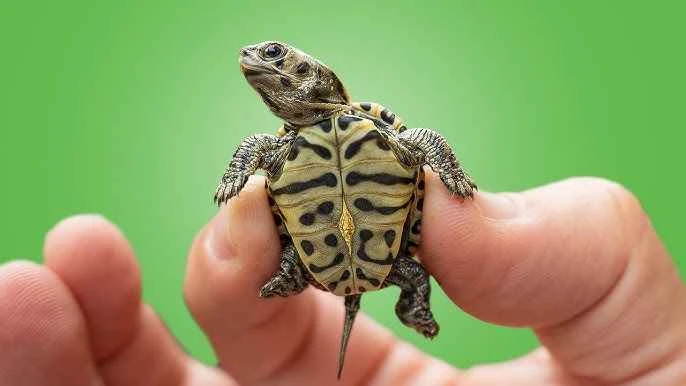
"Exotic pets" refer to rare or unusual pets, such as lizards, snakes, spiders, and sugar gliders. In recent years, a growing trend of keeping exotic pets has emerged among some pet lovers in China, driven by a desire for personalization. What is the current state of the exotic pet market in my country?
Exotic pet trend is on the rise
Reptiles become a new favorite among consumers
Ji Renmin, who lives in Shanghai, keeps a sugar glider that looks like a squirrel, in addition to her cats and dogs. Two years ago, Ji Renmin spent more than 2,000 yuan to bring it home from a flower and bird market.
In fact, the novelty is precisely why many pet lovers keep exotic pets. In a reptile pet store in Shanghai, there are enclosures containing various species of animals, including bearded dragons, leopard geckos, and corn snakes. Their brightly colored scales may intimidate many, but to their devoted owners, they possess a unique mystery and beauty.
At a pet market in Putuo District, Shanghai, in addition to relatively common exotic pets such as lizards, frogs, and parrots, many niche exotic pets are also for sale. The reporter learned that the rarity of a pet's plumage or color determines its quality and price.
Liu Huijun, an exotic pet enthusiast in Shanghai: This is a Lilywhite crested gecko. A few years ago, when the Lilywhite gene was first discovered, it was normal for one to cost over 100,000 yuan, but now it's only around 1,000 yuan. The other one, the original color, is only around 300 yuan.
Aside from the initial purchase cost, exotic pets have lower daily care expenses and require less living space and owner time, which are the main reasons for the rapid growth of the exotic pet market. Data shows that in 2022, the domestic pet market reached 220 million animals, of which birds and reptiles accounted for nearly 25%.
Exotic pet ownership should be done in moderation.
Illegal species are not suitable as pets.
Despite the ever-expanding market size, the increasing popularity of exotic pet ownership has also exposed many problems. Besides the potential harm caused by viruses and parasites carried by exotic pets, what other unknown risks are involved in keeping exotic pets?
Wang Zhihui, a veterinarian at a Shanghai exotic pet hospital: The most common pests are ticks and Salmonella. During the care of our pets, we can easily become infected if we come into contact with their feces or other excrement, or if we don't wash our hands or handle their food with our bare hands.
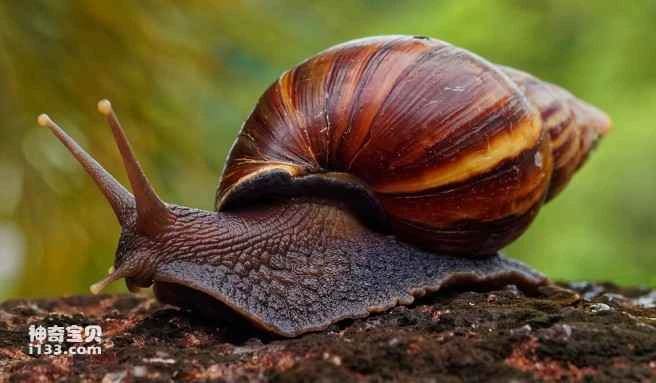
Reporters learned that most exotic pets currently on the market are the product of multiple generations of captive breeding in China, and the risks of viruses and parasites they carry are controllable. However, as the interest of some enthusiasts grows, many people have begun to try to obtain rare species from overseas or other channels. This has brought a series of risks, such as species invasion and damage to local ecosystems. Species like the green iguana, alligator gar, and giant African snail have become typical invasive species.
According to the revised and released "National Key Protected Wild Animals List" and "Convention on International Trade in Endangered Species of Wild Fauna and Flora" in 2021, individuals who import or purchase animals listed in the list and convention may be violating the law.