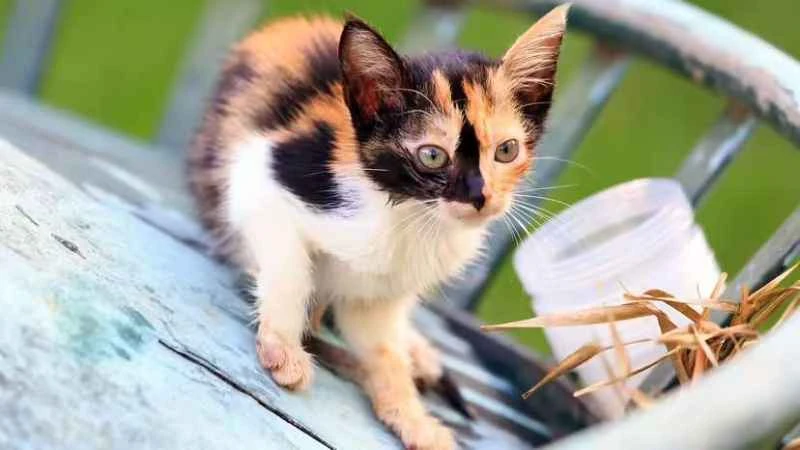
Persian cats are known for their gorgeous long fur, large round eyes, and gentle temperament , and are one of the most popular purebred cats in the world.
According to statistics from the Cat Fanciers Association (CFA), the Persian cat has consistently ranked among the top registered breeds, making it a truly "classic cat breed".
The following are 9 expanded, popularized, and EEAT-compliant facts about Persian cats , comprehensively showcasing the history, personality, care challenges, and charm of this elegant breed.
1. Persian cats may have originated in ancient Persia... but history is more complex than it seems.
Although the word "Persian" naturally evokes images of Iran (the ancient Persian Empire), the lineage of Persian cats does not originate entirely from a single region.
In the 19th century, European diplomats and travelers saw longhaired cats in the Middle East and brought them back to Britain and the European continent, which aroused great interest in Western society.
Early long-haired cats included:
Persian cats from Iran
Angora cats from Ankara, Türkiye.
The appearance of modern Persian cats is the result of over a century of selective breeding in Europe and America , rather than a pure continuation of ancient natural bloodlines.
2. Persian cats have a long history of purebred lineage.
With the rise of pet shows and animal clubs in Europe in the 19th century, the Persian cat became one of the earliest officially recorded purebred cats.
Key historical events
In 1871, the Crystal Palace in London hosted the world's first large-scale cat show, with the Persian cat being the star breed.
Persian cats were introduced to the United States around 1875.
During the early 20th-century cattery breeding boom, the Persian cat contributed to the establishment of purebred cat culture.
Today, the Persian cat remains one of the most important and representative breeds in the global cat registry system.
3. The magnificent "fluffy fur" and flat face: all the secrets to the Persian cat's appearance
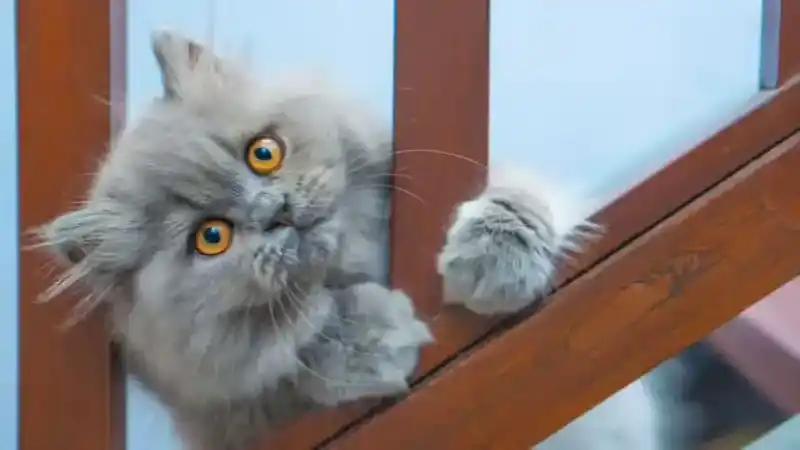
Persian cats have fur that can reach 10–15 centimeters in length, making them one of the breeds with the densest and longest fur of all domestic cats.
Hair characteristics
Thick, dense undercoat + soft, fluffy long coat
Extremely diverse styles and colors
Continuous care is required (this is a point that beginners often overlook).
Facial structure
Through long-term breeding, the modern Persian cat has evolved into:
A distinctive flat face (short head shape)
A small, upturned "button nose"
Large, round eyes that are positioned closer together
Make them always look like they have an "innocent and cute" expression.
In addition, they are short and stocky with short, thick limbs and a medium-length but very bushy tail.
4. Persian cats are as affectionate as dogs—but incredibly lazy.
Persian cats not only win fans with their beautiful appearance, but their gentle, quiet, and affectionate personality is even more captivating.
The characteristics of being "like a dog" include:
They will come to greet their owner on their own.
It can even understand its own name and respond.
Likes to follow its owner everywhere
They communicate with their owners using soft purring sounds.
But they are not active.
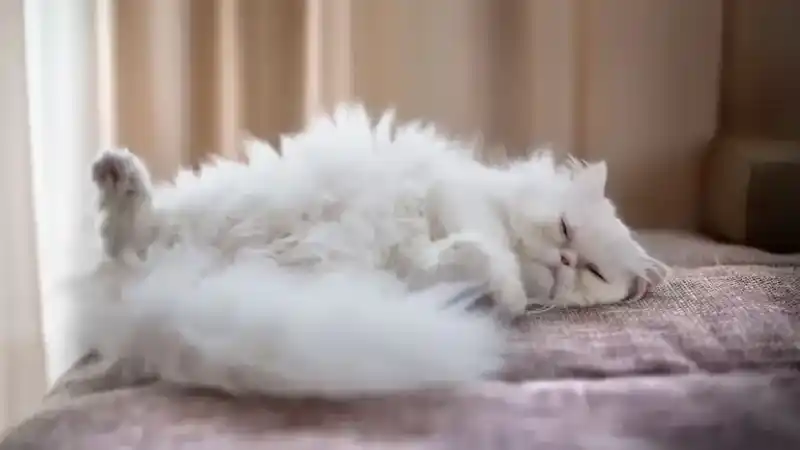
Adult Persian cats can sleep 18–20 hours a day.
Kittens are also quieter than other breeds.
They rarely jump on the counter or cause damage.
They are the quintessential "lap pets," perfect for those who prefer quiet, gentle companions.
5. Beautiful long fur needs daily grooming (otherwise it will become a mess).
Persian cats' fur tangles very easily. If not brushed regularly, it will:
underarm
inner side of the hind leg
Behind the ear
It quickly forms clumps of lint that are difficult to remove.
Essential care habits:
Comb your hair daily (metal combs are most effective).
Regular bathing (many catteries start training kittens from kittenhood).
Check for oiliness and knots in the skin.
Keep the area around the eyes and outer corners of the face clean (flat faces need more care).
Good grooming will reduce shedding and keep your fur soft.
6. Persian cats are not the "Einsteins of the cat world"—they are just calm and collected.
Although many cats are intelligent, Persian cats typically learn more slowly.
Common situations include:
An 8-week-old kitten may still be learning to use a litter box.
They have almost no "hunting instinct".
When faced with mice: Some Persian cats will "politely ignore" them.
Slow movements, slow reactions, and a mild temperament.
They are not stupid, but rather naturally stable, docile, and lack the need for vigorous activity—a result of breeding tendencies.
7. The variety of coat colors for Persian cats is astonishing.
According to CFA standards, Persian cats are divided into 7 color divisions:
monochrome
Silver/Gold
Smoky/Gradient
Tiger stripes
Three-color/Particolor
6. Two-colorHimalayas (Accent Color)
These categories include:
Black, white, blue, red, cream
Chocolate, light purple
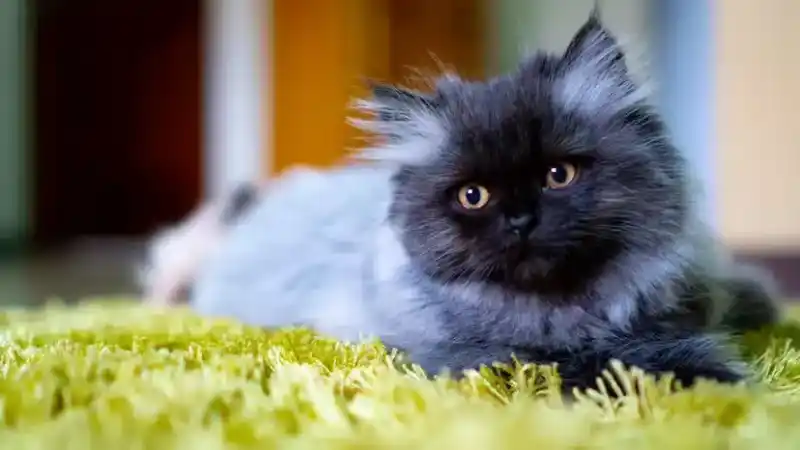
There are hundreds of combinations of colors and patterns, such as tortoise shell, tiger stripes, tricolor, smoke, and gradient.
Some breeding combinations can produce more than 30 color variations , making each litter of kittens a delightful surprise.
8. Persian cats have long lifespans and good health (breeding is crucial).
Modern genetic testing has helped Persian cats avoid many genetic diseases.
Key health concerns:
Polycystic kidney disease (PKD) : mostly screened through genetic testing.
Flat-faced breathing problems (brachycephaly syndrome) : Primarily seen in "ultra-flat-faced" Persian cats with extremely flat faces.
life
Average lifespan: 15–18 years
With proper management, one can live to be 20+ years old.
Due to their compact pelvic structure, Persian cats typically have only 2–6 kittens per litter.
9. Persian cats are expensive—and their maintenance costs are also high.
The high price of Persian cats mainly comes from:
purebred
Complex breeding and care costs
High popularity
Common price range
Pet-grade: USD $900 – $2,000
Breeding/Show Grade: USD $1,500 – $3,000+
Reputable catteries typically provide:
Sterilization/Ligation
Implanted chip
Vaccines and Deworming
CFA registration and complete family tree
Subsequent hair care and long-term maintenance also require an additional budget.
Additional information: The origin story of the Himalayan Persian cat
The Himalayan Persian cat is a cross between a Persian cat and a Siamese cat , and therefore possesses:
Siamese cat point pattern
The long fur and body shape of Persian cats
Deep blue eyes are required to meet the competition standards.
It is one of the most popular Persian cat color patterns.
Persian cat FAQs
Are Persian cats expensive?
Expensive. Because they are purebred cats, breeding costs are high, and their rare appearance makes them popular.
What is the personality of a Persian cat?
Gentle, quiet, affectionate, and suitable for indoor keeping.
They like to be petted, but don't like to be noisy or move around too much.
Are Persian cats suitable as pets?
It's perfect.
The premise is that you can accept the high level of maintenance required for daily hair care.
What do Persian cats eat?
A high-protein diet is best, including chicken, fish, turkey, etc.
Do Persian cats get lonely?
They can enjoy quiet solitude, but not for more than 48 hours .
Kittens or older cats need more attention.
Conclusion: A gentle, elegant, and tranquil indoor companion
Persian cats are not only stunning in appearance, but also possess a captivatingly gentle temperament.
They are suitable for people who enjoy a quiet life and are willing to invest time in caring for their pets.
Behind her glamorous exterior lies a gentle, affectionate, yet elegant and composed little sprite.