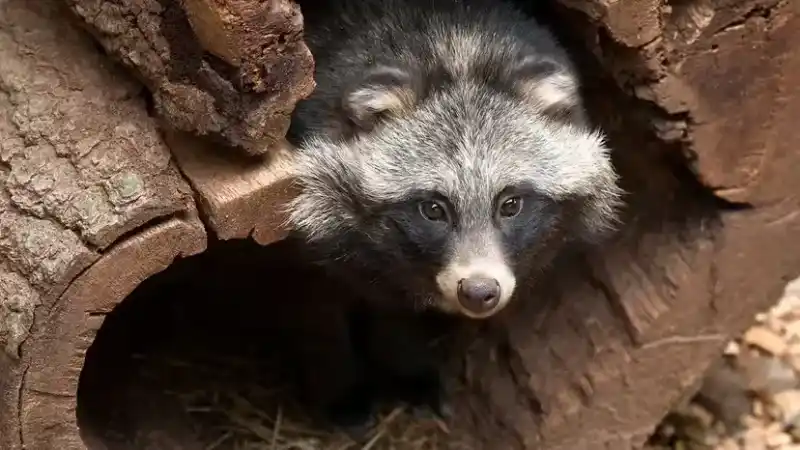
Cats' independent spirit has always been captivating. Some say it's a legacy from their past as deities in ancient Egypt, imbuing them with a touch of nobility and arrogance. So, what happens when this "nobility" meets top-tier rare bloodlines and exorbitant prices?
Below, we will list the 15 most expensive domestic cat breeds in the world , and learn about their pedigree, physical characteristics, personality traits, and key factors that affect their price.
Table of contents
Ashera Cat ($75,000–$125,000)
Savannah cat ($1,500–$25,000)
Gomane Cat ($7,000–$11,000)
African serval ($3,000–$10,000)
Ragdoll cat ($300–$7,500)
Sphynx cat ($1,500–$6,000)
Bengal cat ($1,000–$5,000)
Persian cat ($1,000–$5,000)
Maine Coon cat ($200–$5,000)
British Shorthair cat ($500–$4,500)
Peter the Bald Cat ($1,400–$3,500)
American Curl cat ($1,200–$3,000)
Oriental Shorthair cat ($600–$3,000)
Scottish Fold cat ($300–$3,000)
Siberian Forest Cat ($1,200–$2,500)
1. Ashera cat ($75,000–$125,000) – the most expensive domestic cat in existence.
Ashera is known as a "luxury pet cat" because it is a complex hybrid of African serval, Asian leopard cat, and a specific domestic cat breed .
Features:
It is huge, weighing up to 18 kilograms.
Leopard print resembles that of a wild cat, possessing a striking exotic beauty.
Arrogant, but trainable.
Suitable for: People who like "cats with a strong presence" and have a spacious living environment and sufficient financial resources.
2. Savannah cat ($1,500–$25,000)
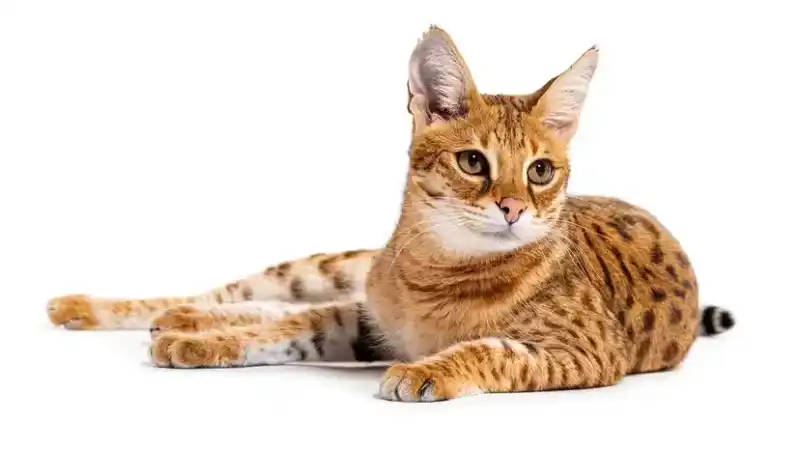
Savannah cats also come from a serval hybrid line , but have a gentler temperament.
Highlights:
Long limbs and amazing jumping ability
Friendly, intelligent, and can be taken for walks on a leash.
Extremely high need for socialization and play
The closer the grade is to that of a wild serval (F1, F2), the more expensive it is.
3. Khao Manee ($7,000–$11,000)
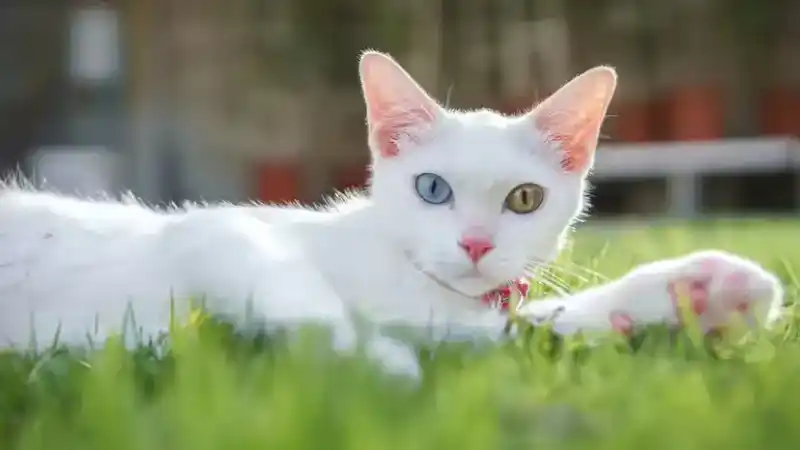
An ancient white cat breed from Thailand, also known as the "Diamond Eye Cat".
Features:
pure white fur
Heterochromia is the most precious.
Clingy, quiet, and gentle
Disadvantages: shorter lifespan, higher requirements for health management.
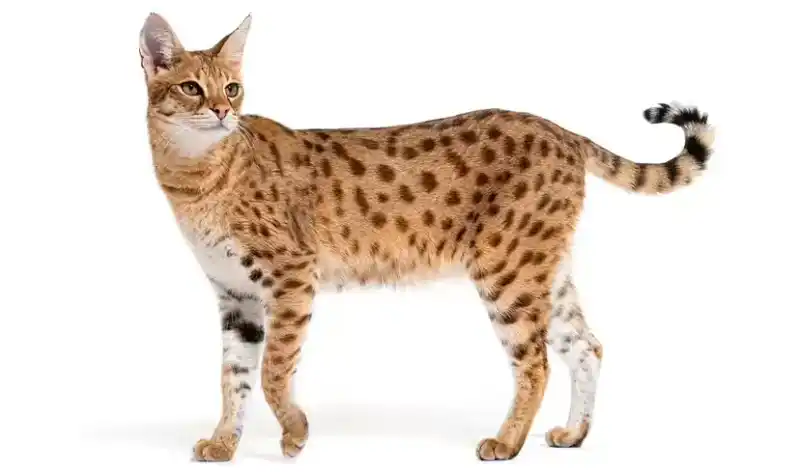
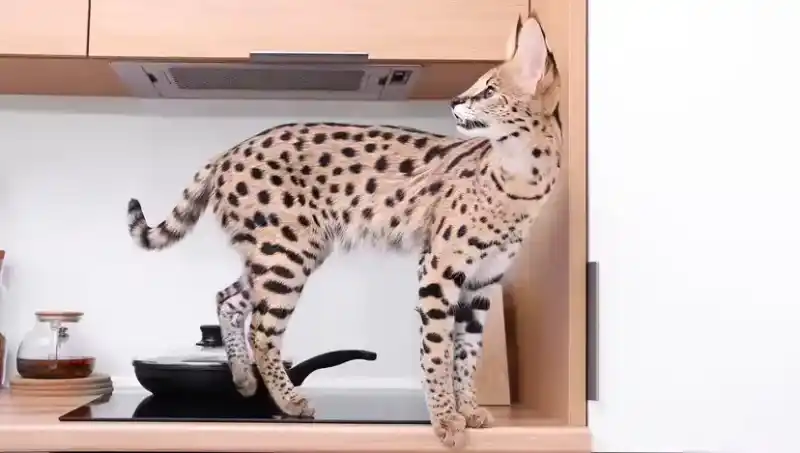
4. African serval ($3,000–$10,000) – A true wildcat
Although they can be legally kept, a license is required, and they need professional environmental and behavioral management.
It is not recommended for ordinary families to keep them.
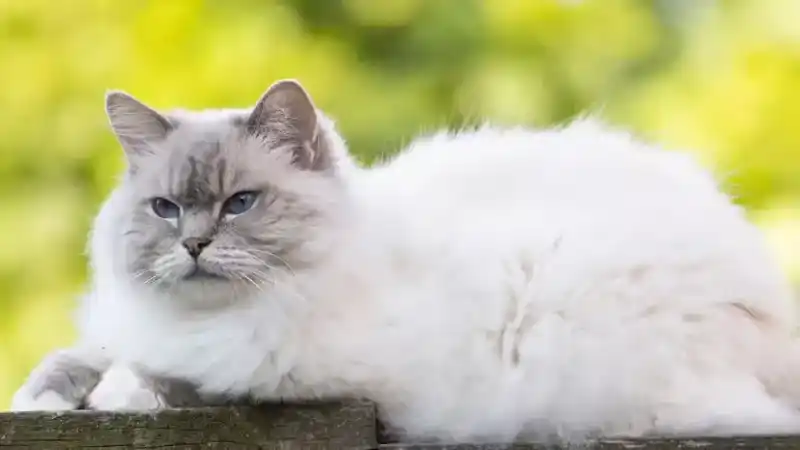
5. Ragdoll cat ($300–$7,500)
Sweet appearance × gentle nature = one of the world's most popular pet cats.
advantage:
Clingy, it can automatically "collapse" in its owner's arms.
Gentle and easy to get along with children
Disadvantages: Long hair + shedding + sensitive stomach + prone to cardiomyopathy.
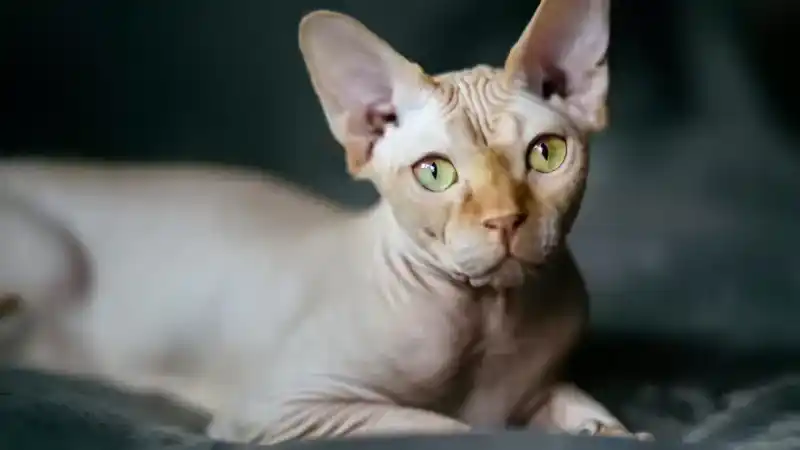
6. Sphynx cat ($1,500–$6,000)
It has become a celebrity cat due to its hairless appearance and high social interaction.
High demand points:
Shower every week
Oil control is very important
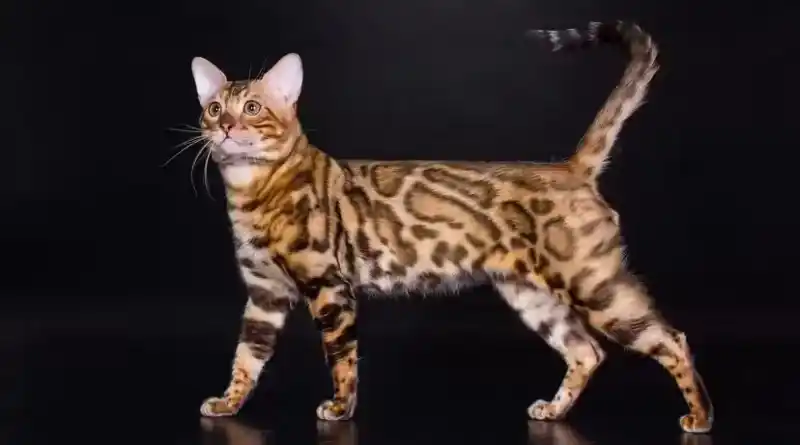
7. Bengal cat ($1,000–$5,000)
They have spotted coats like small cheetahs , are lively and active, and require a lot of physical stimulation.
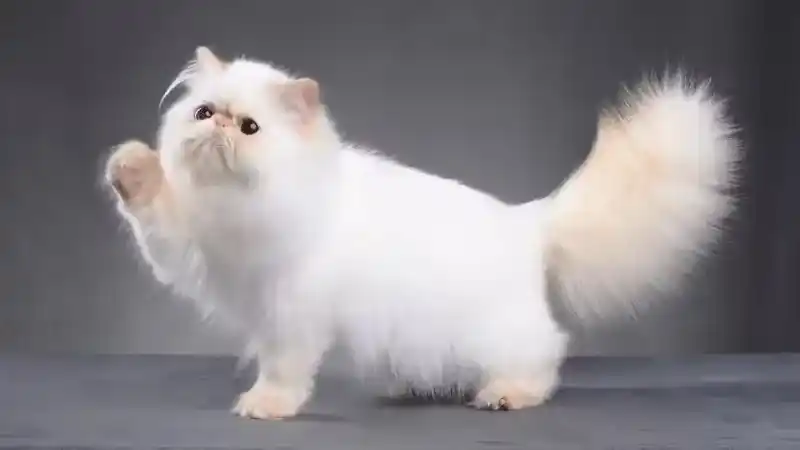
8. Persian cat ($1,000–$5,000)
Classic and elegant, suitable for quiet families.
However, long-term care is required, and respiratory and kidney diseases are common.
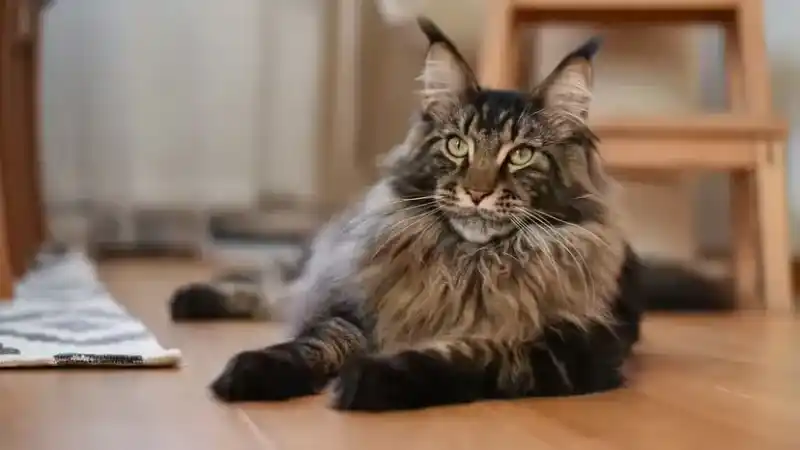
9. Maine Coon ($200–$5,000)
The "Gentle Giant" is large in size but has a calm and friendly temperament, making it very suitable for family pets.
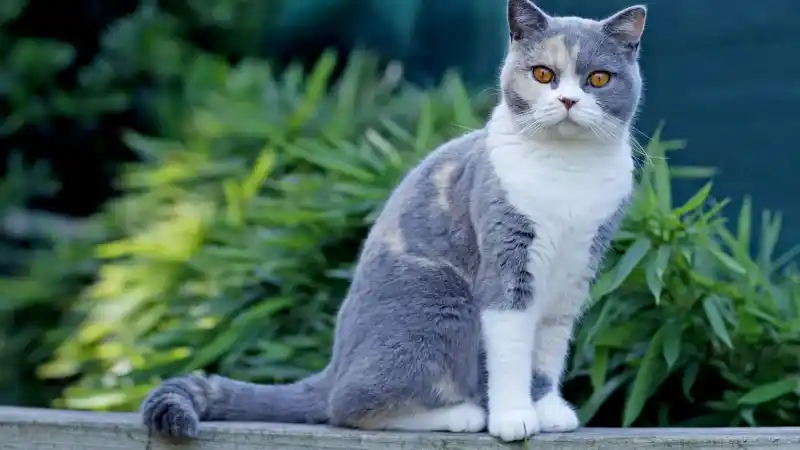
10. British Shorthair ($500–$4,500)
With its sturdy build, rounded shape, and stable temperament, it is one of the most popular cat breeds in the world.
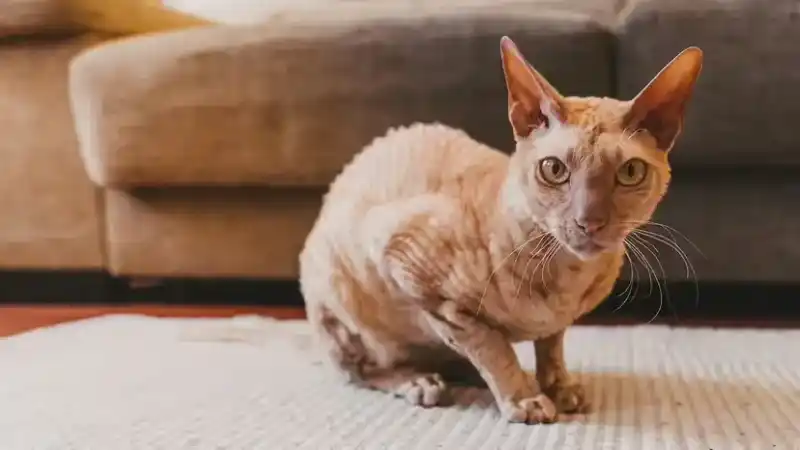
11. Peter the Bald Cat ($1,400–$3,500)
A Russian breed, falling between "hairless" and "short-haired," and highly rare.
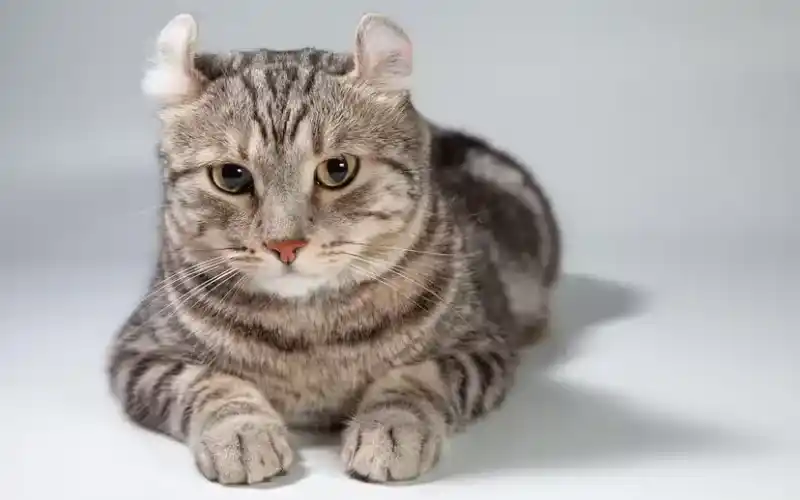
12. American Curl ($1,200–$3,000)
Its most distinctive feature is its naturally curled ears, which indicate a gentle and intelligent personality.
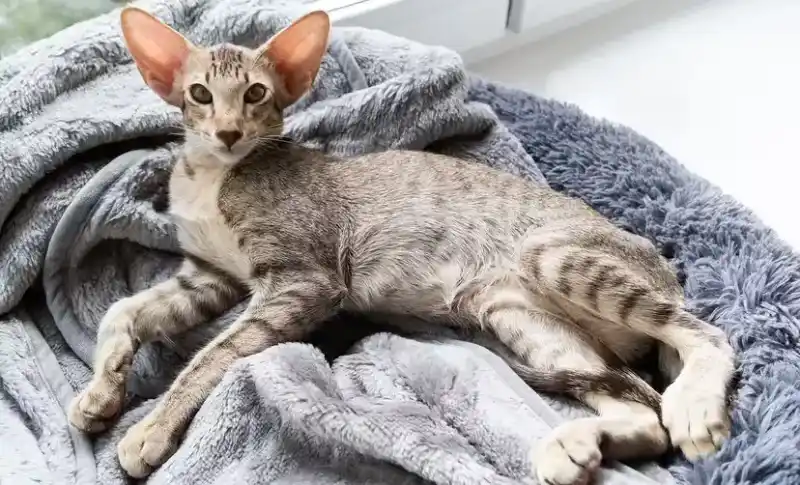
13. Oriental Shorthair ($600–$3,000)
With its slender body and oversized ears, it is full of energy, makes many noises, and has a strong need for social interaction.
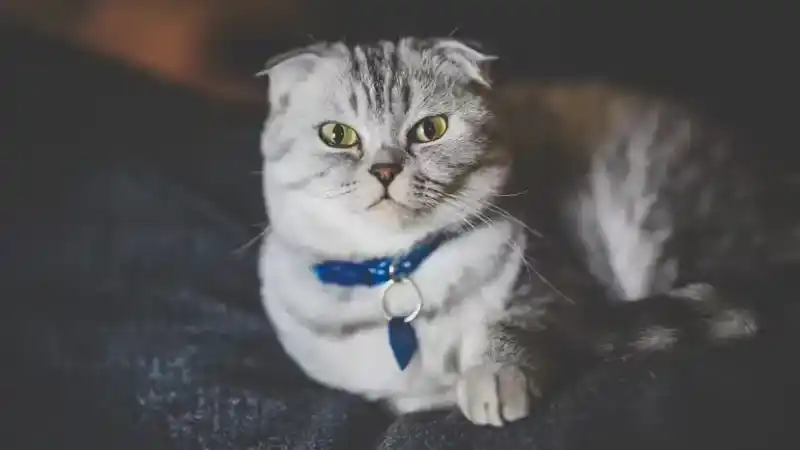
14. Scottish Fold cat ($300–$3,000)
Folded ears are caused by a cartilage gene, so breeding folded ears with folded ears must be avoided , otherwise severe deformities will occur.
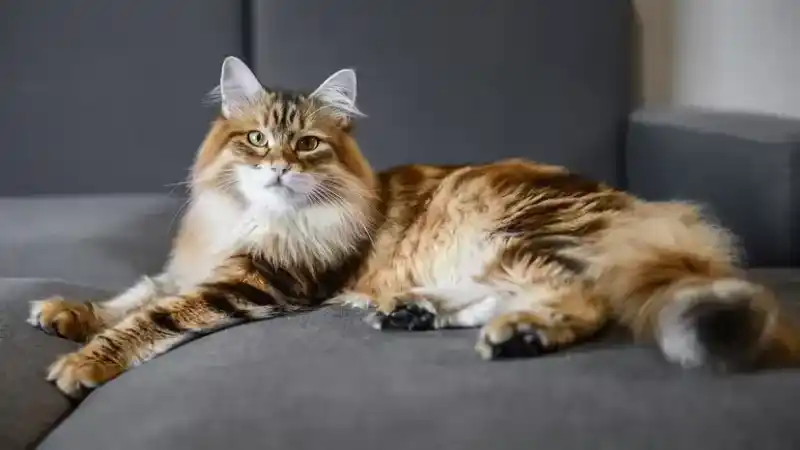
15. Siberian Forest Cat ($1,200–$2,500)
They have an amazing amount of fur yet are relatively low in allergens ; they are strong, affectionate, and love to interact.
Friendly reminder: Expensive ≠ Better
High-priced cats are often accompanied by:
Narrower gene pool
Higher risk of genetic diseases
Stricter feeding requirements
Many ordinary house cats and rescued cats are equally intelligent, healthy, loyal, and adorable.
If you are planning to adopt, you might want to check out your local animal shelter first.