The animal world is always fascinating for children. Especially during childhood, getting to know different kinds of animals and understanding their characteristics and differences is a fun and valuable learning experience.
In classification, some animals are quite distinct, such as birds and mammals; however, children can easily confuse them in certain situations, such as reptiles and amphibians . They look somewhat similar in appearance and habitat, making them often difficult to distinguish. This article will help children understand the differences between the two in a simple and fun way.
Why are reptiles and amphibians easily confused?
Similar in appearance :
Many reptiles and amphibians have similar body colors, such as green, brown, or gray.Similar living environments :
Amphibians are defined as animals that can live both in water and on land, such as frogs. However, many reptiles (such as crocodiles and turtles) can also live between water and land, so it is not accurate to distinguish them solely by their habitat.Similar reproductive methods :
Both reproduce by laying eggs, which can easily lead people to mistakenly believe that they are "of the same kind".
However, upon closer observation, they exhibit significant differences in their reproductive methods, skin characteristics, respiratory mechanisms, and growth processes.
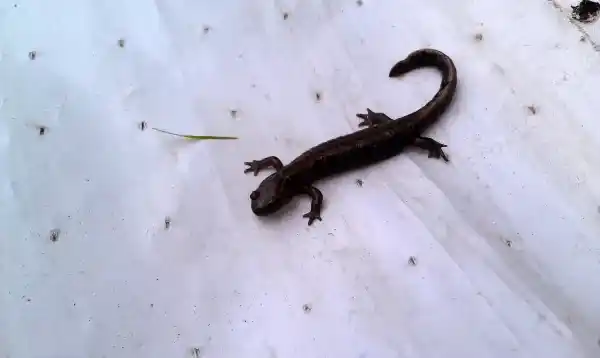
Reproductive differences between reptiles and amphibians
Although they both reproduce by laying eggs, their eggs are completely different:
Reptile eggs : have a hard or leathery shell that prevents moisture loss, just like bird eggs, so they can incubate on land.
Amphibian eggs : soft, without a hard shell, need to incubate in water, and look more like fish eggs.
This is also one of their most significant differences.
Furthermore, the methods of fertilization are also different:
Reptiles : They all use internal fertilization , where the male must transfer sperm directly into the female's body.
Amphibians : Some species use internal fertilization, while others use external fertilization , where the female releases her eggs into the water, and the male releases sperm into the water to fertilize them.
Differences in skin characteristics
Amphibians : Their skin is moist, soft, and porous, allowing them to directly absorb water and oxygen.
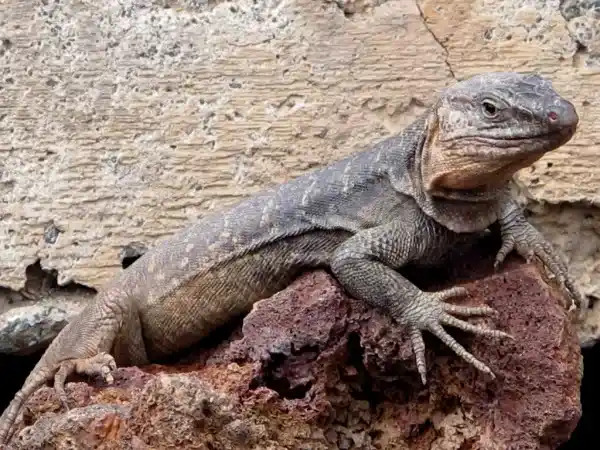
Reptiles : Their skin is covered with hard keratin scales, just like human nails and hair, which effectively prevents moisture evaporation and makes them more adapted to dry terrestrial environments.
Larvae and growth patterns
Reptiles : Baby reptiles are already "miniature adults" when they hatch, with a complete body structure, and they only need to grow gradually.
Amphibians : The larvae and adults differ greatly, requiring metamorphosis . For example, frogs:
They are born as tadpoles with long tails, breathe through gills, and have no limbs.
As it grows, it gradually develops four legs, its tail disappears, and it eventually becomes an adult frog.
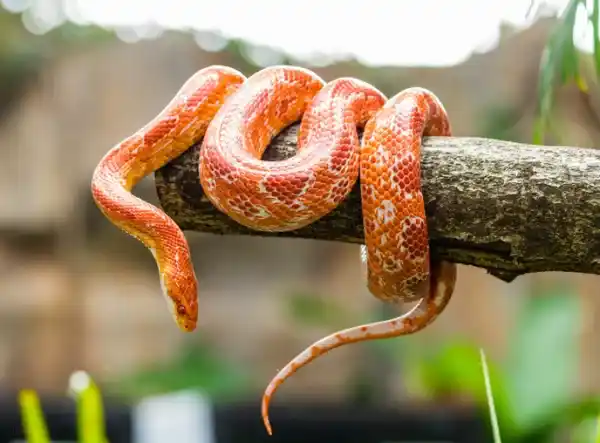
Differences in breathing methods
Reptiles : They breathe through their lungs from birth to adulthood, similar to mammals.
Amphibians : Breathing methods change as they grow:
Tadpoles primarily breathe through their gills .
After adults develop lungs, they primarily breathe through their lungs .
Throughout their lives, they retain the ability to breathe through their skin , absorbing oxygen through moist skin.
summary
| feature | Reptiles | Amphibians |
|---|---|---|
| egg | Hard-shelled/leathery, capable of hatching on land | Soft and shell-less, they can only hatch in water. |
| Method of fertilization | In-vivo fertilization | In-vitro fertilization |
| skin | It has scales, is hard and waterproof. | Moist and soft, easily loses water |
| Larval development | Hatching into adult form | It needs to go through metamorphosis (tadpole → frog). |
| breathe | Always breathe with your lungs | Larvae use gills, adults use lungs and skin. |
Conclusion : While reptiles and amphibians share similarities, they have fundamental differences in their skin, reproductive methods, developmental processes, and respiratory systems. Understanding these differences will allow children to easily distinguish between them!