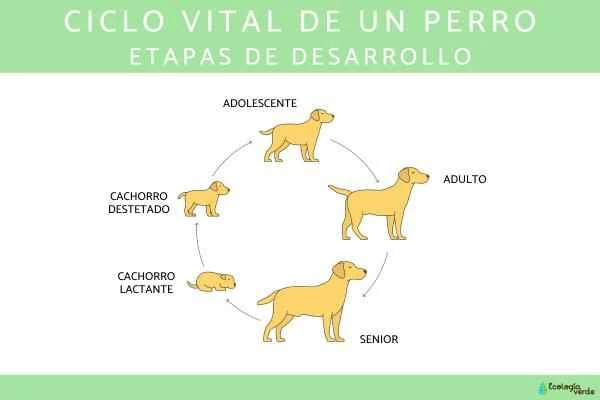
Dogs ( Canis lupus familiaris ) have lived alongside humans for tens of thousands of years, and their life cycle differs significantly from that of their wild relatives, the wolf, due to domestication. Based on physiological and behavioral characteristics, a dog's life is generally divided into five main stages :
| stage | Age range (average) | Developmental keywords | Care Tips |
|---|---|---|---|
| ① Nursing puppies | 0 – Approximately 8 weeks | Completely dependent on breast milk, sensory organs are immature | Keep warm, breastfeed frequently, and avoid premature weaning. |
| ② Puppies during the weaning period | 8 weeks – 18 months | Teething, rapid learning, behavioral socialization | Scientific calcium supplementation, abundant toys, and social training |
| ③ Adolescence (sexual maturity) | Approximately 6–18 months (earlier for small dogs, later for large dogs) | Hormone surge, body shape settling | Behavioral guidance, sterilization/reproduction planning |
| ④ Adulthood | 2-5 years old | Peak reproductive capacity and best physical fitness | Balanced exercise, oral care, reproductive management |
| ⑤ Senior dogs (old age) | Ages 7 and up (5 years for extra-large breeds) | Slowed metabolism and functional decline | Joint health care, regular physical examinations, and barrier-free environment |
1. Nursing puppies (0 – approximately 8 weeks old)
Physiological characteristics
The eyelids and ear canals do not fully open until 10–14 days after birth; the sense of smell is already able to locate breast milk.
They have poor thermoregulation and need to be close to their mother or littermates for warmth.
Mother dog role
It secretes colostrum rich in immunoglobulins, provides antibodies, and stimulates intestinal development.
Licking promotes urination and defecation and keeps the nest clean.
Feeding Tips
Maintain an ambient temperature of 28–32°C and a humidity of approximately 65%.
Do not sell or adopt before 8 weeks of age, as early separation can lead to weakened immunity and separation anxiety.

2. Weaning puppies (8 weeks – 18 months)
Keywords: itchy teeth, exploration, socialization
overeating
8-12 weeks: Transition from formula or breast milk to highly palatable puppy food, feeding 4-5 times a day in separate meals.
3-6 months: Reduce to 3 times/day and gradually introduce chewing snacks to help soothe gums.
Behavioral development
Learn bite inhibition , peer etiquette, and danger recognition through games.
The first 12 weeks are the "golden period for social interaction," during which individuals should safely engage with different people, dogs, and environments to enhance positive experiences.
Health Management
Basic immunization (trivalent or quadrivalent) + rabies vaccine, completed according to local regulations.
Regularly deworm (internal and external) and establish a growth record.

3. Puberty/Sexual Maturity (approximately 6-18 months)
Physiological changes
Female dogs : First estrus usually occurs between 6 and 12 months, earlier in small dogs and later in large dogs up to 14 months; the estrus period lasts an average of 9 days.
Male dogs : They do not have a fixed "estrus cycle" and will exhibit courtship behavior upon smelling female pheromones.
Behavioral challenges
They exhibit increased territoriality, attempt to "mount," scavenge for food, and bark more frequently.
If you do not intend to reproduce, it is recommended to sterilize after your bones have mostly closed (6-12 months) to reduce hormone-driven aggressive/escape behaviors and the risk of future diseases (such as prostate hyperplasia, pyometra).

4. Adulthood (2-5 years old)
Body shape and hair
The puppy's downy fur (Lanugo) is replaced with a glossy adult coat.
Weight and shoulder height reach the peak of the breed standard.
Reproductive biology
Female dogs typically go through 2-3 estrus cycles before reaching full maturity; breeding should involve selecting healthy, pedigree-clear parents that have passed genetic disease screening.
The average gestation period is 63 ± 3 days, with 1–10 offspring per litter, depending on the breed.
Maintenance Focus
Moderate-intensity endurance exercises, such as frisbee, agility, and weighted pull exercises, not only burn energy but also prevent obesity.
Oral hygiene: Brush your teeth daily or use Veterinary Oral Health Council certified chewing bones.
Annual physical examination: complete blood count, liver and kidney function tests, and cardiac auscultation.

5. Advanced age (7 years and older)
Signs: Slowed movement, increased white hair, and declining organ function
Common health problems
Arthritis, hip/elbow dysplasia
Periodontal disease, age-related cataracts, hearing loss
Metabolic disorders: chronic renal failure, hypothyroidism, and increased incidence of tumors.
Upgraded care
Diet: High in protein, moderate in fat, fortified with Omega-3, and low in phosphorus; with appropriate amounts of glucosamine and chondroitin.
Living environment: non-slip mats, low ramps, and heated mattresses; maintain a quiet and stable daily routine.
Psychological needs: Extend walking time but reduce intensity, increase smelling and light interactive games to prevent cognitive decline.
End-of-life care
Focus on pain management and quality of life (QoL). Veterinarians can provide palliative care plans based on the HHHHHMM (Hurt, Hunger, Hydration, Hygiene, Happiness, Mobility, More good days than bad) score.

Conclusion
A dog's life spans rapid learning during its growth period and tender companionship in its old age . Understanding and respecting their physiological and psychological needs at different stages is essential for scientific feeding and health management, allowing your beloved dog to enjoy a high-quality and dignified life.
References
Encyclopedia Britannica (undated). Dog breeding. Accessible at: https://www.britannica.com/animal/dog/Senses#ref15467
University of Buenos Aires. (2008). Canine estrous cycle. Accessible at: http://dpd.fvet.uba.ar/cartelera/00007128.pdf