Cats are among the most popular pets, on par with dogs. However, many people mistakenly believe that cats are independent animals that don't need companionship. In reality, for a cat's physical and mental well-being, we must provide appropriate care according to its life stage.
This article will provide you with a detailed introduction to the characteristics and care points of each stage of a cat's life cycle , from birth, growth, adulthood to old age, each step affecting its health and behavior.
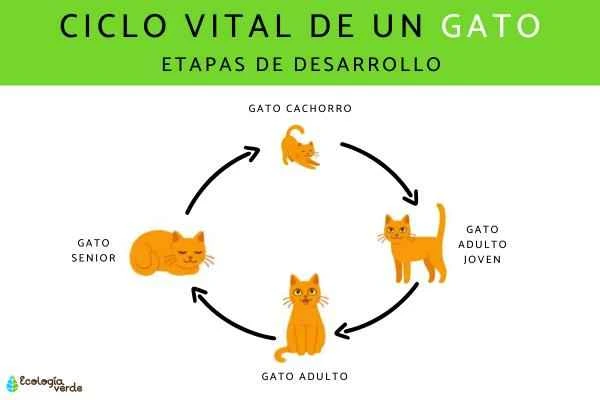
What are the different stages in a cat's life cycle?
A cat's life can generally be divided into the following four stages:
Kitten stage (birth to 6 months)
Adolescence (6 months to 2 years)
Adulthood (ages 2 to 10)
Old age (10 years and older)
Below, we will analyze the physiological changes, behavioral manifestations, and key points of care for each stage.
I. Kitten stage: The critical period from birth to weaning
Growth characteristics:
A mother cat typically gives birth to 16 kittens per litter, with an average of 34 .
Newborn kittens have closed eyes, underdeveloped hearing and teeth , and rely entirely on their mother's milk for survival.
About a week after birth , the kitten opens its eyes, which are blue; then its vision gradually improves and its eye color gradually becomes fixed.
Start using the sense of smell to identify the mother cat and the environment.
Learning and socializing:
Around three weeks old, kittens begin to learn adult cat skills through play , such as hunting maneuvers, jumping, and socialization.
Interactions between siblings are crucial to their emotional development and personality formation .
Kittens that lack socialization are more likely to be timid or aggressive as adults.
Diet and Habit Establishment:
After two months, solid foods can be gradually introduced, and breastfeeding can be completely stopped at three months .
This is the golden period for training cats to have their nails trimmed, their fur brushed, and to adapt to being carried in a cat carrier .
This stage is suitable for letting cats interact with other pets and family members, which will help them develop good social skills in the future.

II. Adolescence: A period of energetic exploration (6 months to 2 years old)
Developmental focus:
They enter sexual maturity at 6 months old and their body size gradually approaches that of an adult cat.
They are very active, enjoy exploring new environments, and may even attempt to escape.
Habit formation:
It is crucial to establish consistent feeding times, sleeping locations, and litter box locations for your cat.
For actions that kittens are not used to during their kittenhood (such as nail trimming), further training should be provided during this stage.
Estrus and Precautions:
Female cats may start to go into heat as early as 6 to 8 months old , with a cycle of about 7 days, repeating about every 10 days.
If you do not intend to reproduce, you should consider sterilization as early as possible to avoid behavioral problems and unintended pregnancy.

III. Adulthood: The most stable golden period for cats (2 to 10 years old)
Behavioral performance:
Adult cats exhibit stable behavior and have established personalities , but unneutered cats may still exhibit territorial marking (such as urinating) and leave home to find a mate.
Even if someone has been sterilized, they may still exhibit behavioral responses, but these responses are unrelated to reproduction.
Feeding tips:
Interacting with your cat can strengthen your bond with your pet . For example, daily brushing can relax your cat and reduce shedding and hairballs.
The environment should be clearly divided into zones : feeding area, play area, and rest area should not interfere with each other, especially in multi-cat households to avoid resource competition.
Birth information:
If breeding is desired, the gestation period for cats is 63-67 days , and a quiet and comfortable birthing environment should be provided.

IV. Old Age: Meticulous Care in the Later Stages of Life (10 years and older)
Signs of an older cat:
Sleep duration increased significantly , while activity decreased.
Vision, hearing, and motor skills gradually decline, making jumping difficult.
Home adjustment suggestions:
Set up steps or transfer platforms for older cats to help them easily reach the high places they used to like.
Provides a warm, soft sleeping area to prevent joint discomfort.
Health Focus:
As cats age, their immunity declines, making them more susceptible to chronic diseases. Regular health checkups are recommended.
The average lifespan of a domestic cat is about 13 to 17 years, but with good care, they can live to be over 20 years old. The world's oldest cat, Creme Puff, lived to be 38 years and 3 days old !

Conclusion: Understanding the cat's life cycle helps build a happy human-pet relationship.
From a babbling kitten to a contented senior cat, every stage deserves our devoted companionship. Understanding a cat's behavior and needs at each stage of development helps us become more responsible owners and allows our cats to enjoy a more comfortable and healthy life at home.