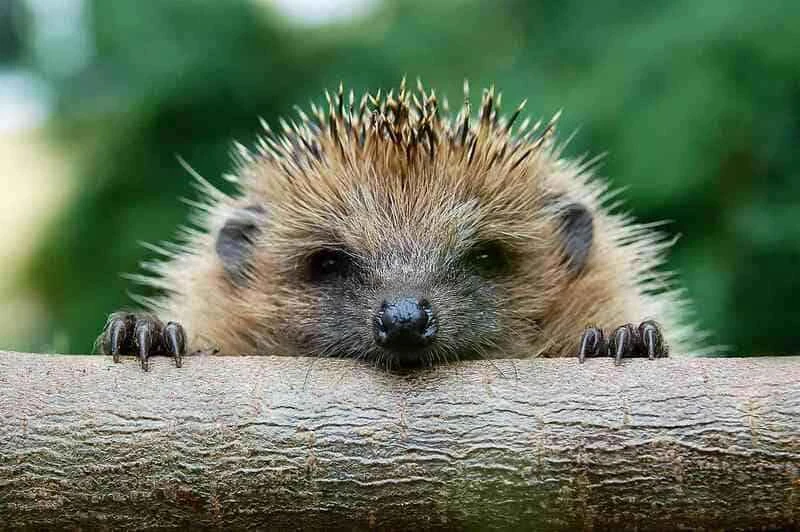
Hedgehogs, covered in dense, short spines, possess an "armored" yet adorable appearance, making them frequent subjects in fairy tales and a charming symbol. In recent years, hedgehogs have gradually entered people's lives, becoming increasingly popular small pets. So, do you know any well-known hedgehog species? Today, we'll take a look at ten of the most common hedgehog species worldwide, including the common hedgehog, the African miniature hedgehog, the North African desert hedgehog, the big-eared hedgehog, the wood hedgehog, the hairy hedgehog, and the Far Eastern hedgehog, taking you on a journey through the world of these "little spiky balls."
1. Western European hedgehog (found all over the world / national animal of Monaco)
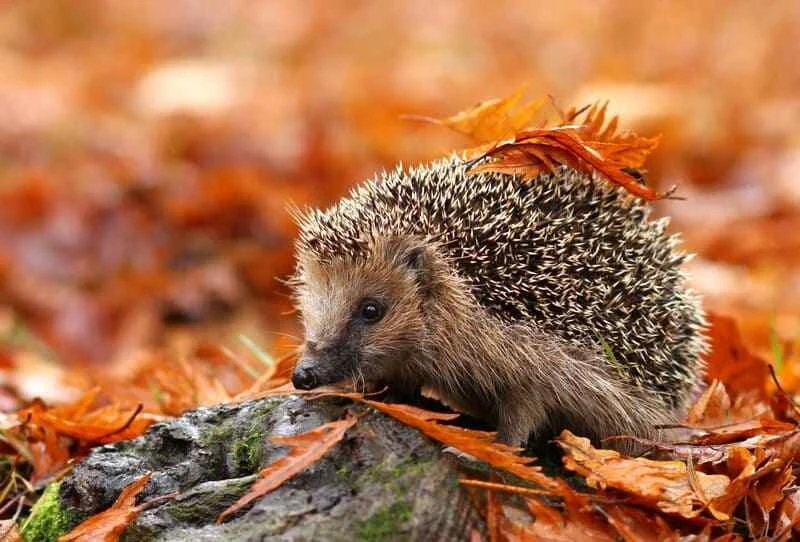
Among the many types of hedgehogs, the common hedgehog (also known as the Western European hedgehog) is perhaps the most familiar to people. Native to Western Europe and East Asia, it is now widely distributed in many countries and regions, including Austria, Belgium, China, Croatia, Czech Republic, Denmark, Estonia, Finland, France, Germany, Ireland, Italy, Latvia, Luxembourg, Netherlands, Norway, Poland, Portugal, Russia, Slovenia, Spain, Sweden, Switzerland, and the United Kingdom.
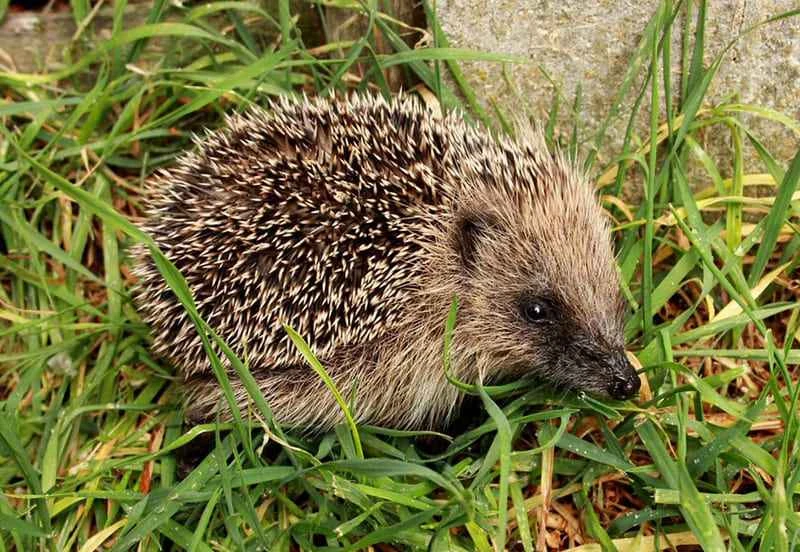
This hedgehog has a rounded body and its back is covered with dense, brownish-gray spines. When it curls up, it resembles a small spiky ball, making it endearing and beloved by many. Beyond its cute appearance, the common hedgehog also possesses significant ecological value. It primarily feeds on insects and their larvae, and sometimes preys on small rodents, playing a positive role in controlling pests and protecting agricultural and forestry ecosystems. Therefore, it is often considered a "natural helper" to humans.
2. African Miniature Hedgehog (A Popular Pet Hedgehog)
The African pygmy hedgehog , also known as the four-toed hedgehog , is one of the most popular pet hedgehogs, frequently appearing on various "cutest pet rankings." They come in a variety of adorable colors, such as white, tan, snowflake pattern, brownish-white, platinum, chocolate, black, champagne, and apricot, while their faces and bellies are generally pure white.
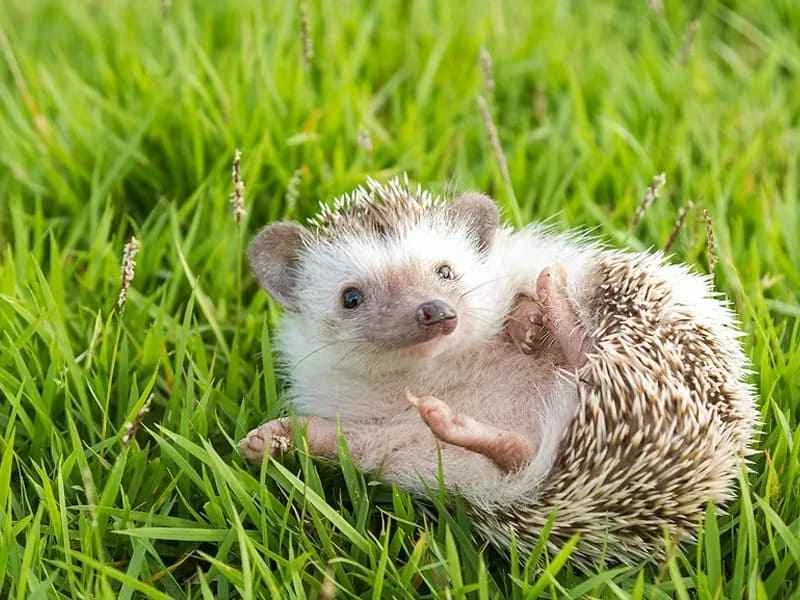
The African pygmy hedgehog is small and round, with a slightly upturned nose and an extremely sensitive sense of smell, always sniffing around and actively exploring its surroundings. Unlike other hedgehog species, it usually only has four toes on its forefeet or hind feet, hence the name "four-toed hedgehog".
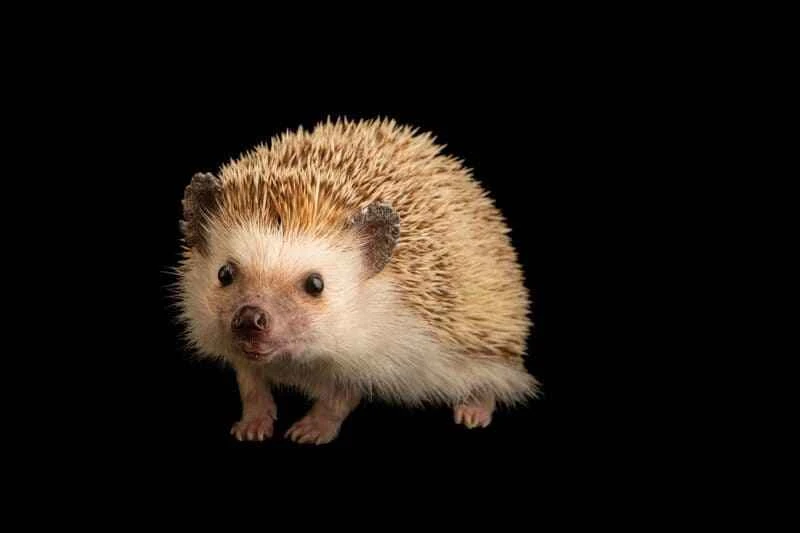
With their adorable appearance, gentle temperament, and high adaptability, these hedgehogs are gradually becoming a popular choice for family pets. They are nocturnal animals, spending most of their daytime sleeping for more than 10 hours a day, and only becoming active at night to eat, play, and explore their environment, living a very "night owl" lifestyle.
3. North African Desert Hedgehog (widely distributed in the North African desert region)
Desert hedgehogs are widely distributed in arid regions of North Africa, such as Morocco, Egypt, Sudan, and Ethiopia, covering almost the entire African desert. They are relatively small, typically measuring between 14 and 27 centimeters in length and weighing no more than 500 grams. Their bellies are covered in pure white fur, their mouths are dark, while their backs are covered in a gradient of black, yellow, and white bristles, making their overall coloration highly distinctive.
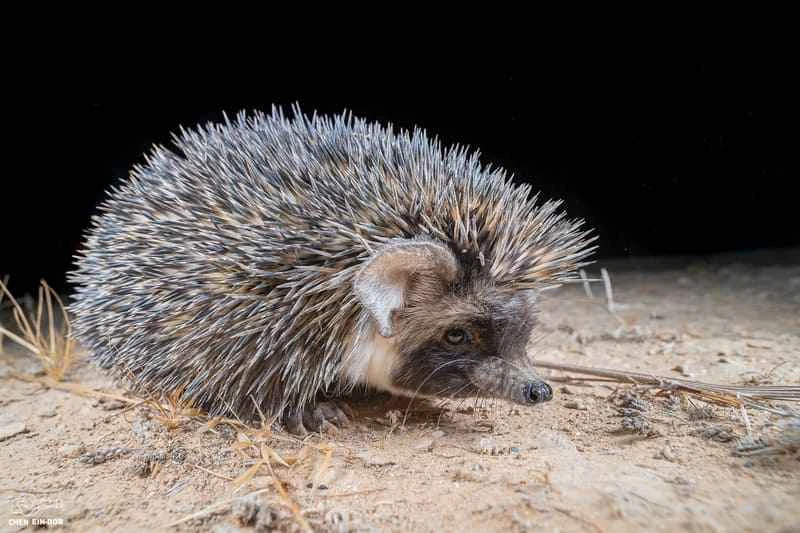
This species is known for its omnivorous diet , boasting a remarkably diverse food source. They prey not only on insects such as cockroaches, beetles, grasshoppers, spiders, and centipedes, but also on lizards, mice, baby birds, and bird eggs. Even more astonishingly, the desert hedgehog can precisely bite off a scorpion's venomous tail with incredible speed, remaining composed even when facing poisonous prey, thus earning it the reputation as one of the most formidable hedgehogs.
4. Hedgehog (distributed worldwide)
The big-eared hedgehog is one of the most popular hedgehogs and a common representative species in the encyclopedia of hedgehog species. They have a very wide distribution, spanning many countries and regions in Central Asia, the Middle East, and North Africa , including Afghanistan, China, Mongolia, Ukraine, Iran, Iraq, Turkey, Egypt, Israel, Kyrgyzstan, Uzbekistan, Tajikistan, Turkmenistan, Syria, Pakistan, Lebanon, Libya, and Cyprus.
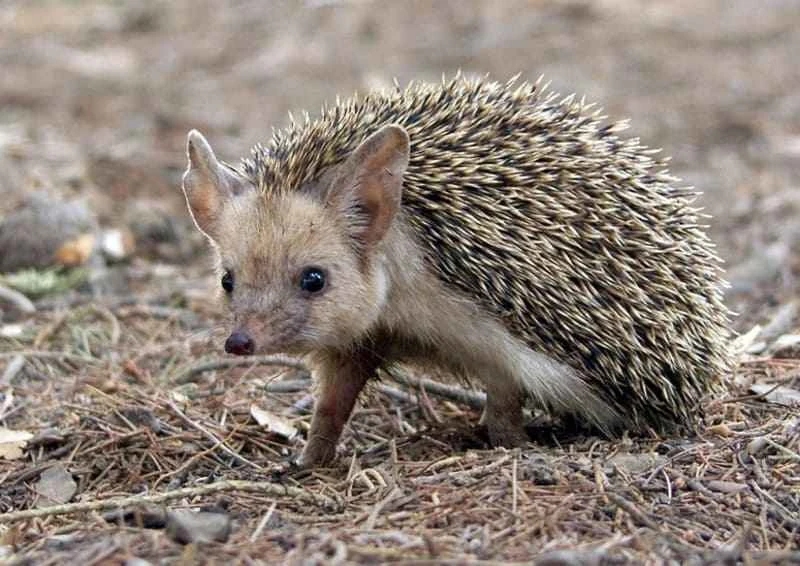
Despite its small size, the big-eared hedgehog has a round and adorable body, looking at first glance like a fluffy little ball of flesh. But don't be fooled by its cute appearance; this hedgehog is a very fast runner and can quickly escape when it encounters danger.
Its most striking physical feature is undoubtedly its pair of large, protruding ears . These ears typically range from 37 to 50 millimeters in length, and their blunt, rounded tips are not only longer than the spines on its body but also exceptionally conspicuous. These large ears are not merely decorative; they are extremely sensitive to sound, helping them to detect subtle movements of insects at night, thus playing a vital role in their survival in the wild.
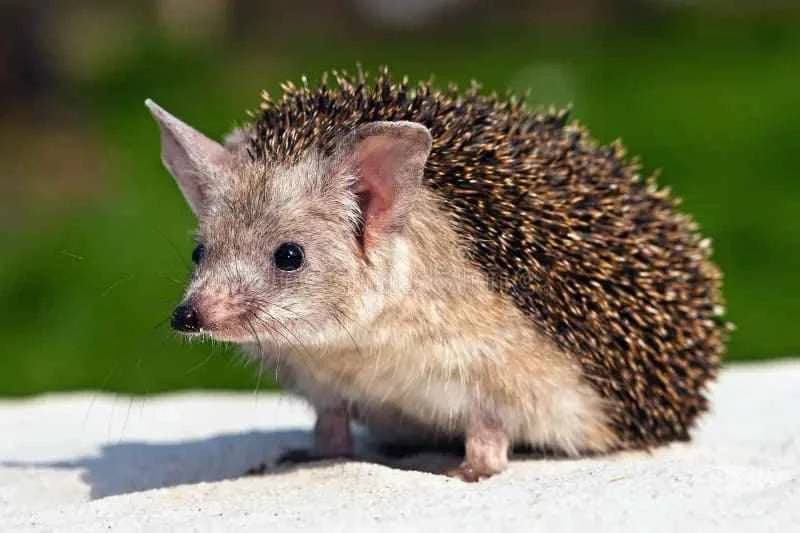
With its pointed beak and long whiskers covering its sides , its overall appearance is both agile and adorable, making it a favorite among animal lovers.
5. Chinese hedgehog (endemic to China/can be used as a medicinal material)
The forest hedgehog , also known as Hou's hedgehog , is one of the more well-known native hedgehogs in China. It is mainly distributed in the central and western regions of China, including Shaanxi, Sichuan, Chongqing, Henan, Hubei, Gansu, and Shanxi provinces. It is commonly found in mountainous forest areas at altitudes of 1,400 to 2,100 meters and is a typical wild forest hedgehog.
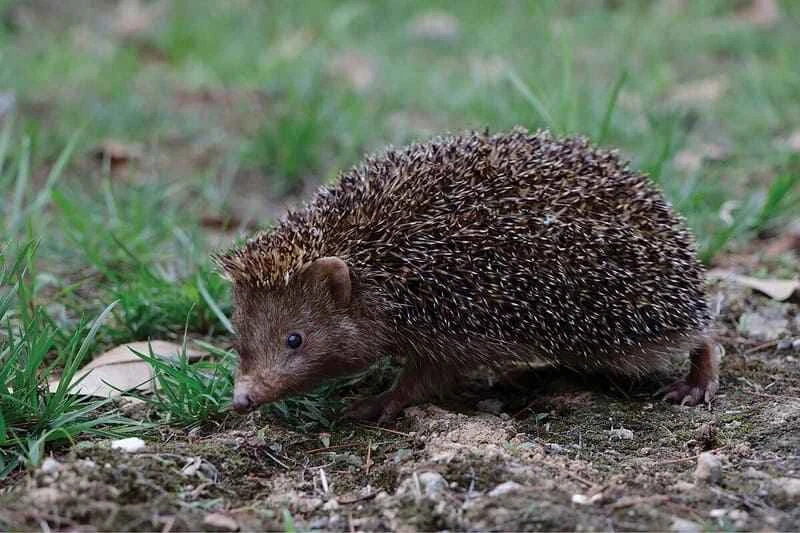
Compared to common hedgehogs, forest hedgehogs are slightly smaller , but have a more intricate overall structure; their body color is also darker , and the spines on their backs are almost entirely mixed and understated, making them suitable for hiding themselves in the forest environment.
The forest hedgehog has a wide diet, mainly preying on various harmful insects and their larvae , and plays an important role in maintaining ecological balance and protecting agriculture and forestry. Because of its strong ability to control pests, the forest hedgehog's status as a "guardian of nature" in agriculture and forestry cannot be underestimated.
6. Small hedgehog (widely distributed in Southeast Asia)
The tufted hedgehog is one of the most common hedgehog species in Southeast Asia, widely distributed in Yunnan, China, Myanmar, Laos, Vietnam, Cambodia, Thailand, as well as Java, Sumatra, Borneo, the Malay Peninsula, and the Indochina Peninsula . It is one of the typical representative species in the tropical rainforest ecosystem.
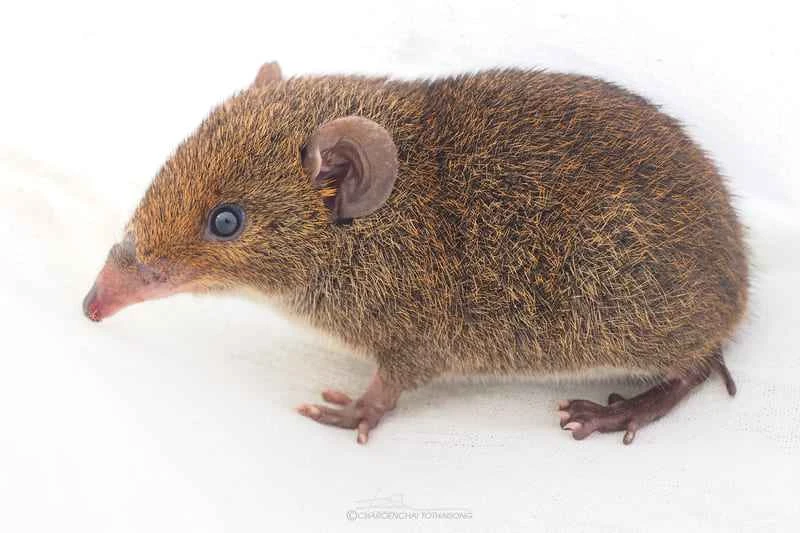
These animals mainly inhabit humid tropical forest environments at altitudes of 600 to 1100 meters , including rainforests, monsoon forests, and tropical evergreen broad-leaved forests. The little hedgehog looks very different from the hedgehogs we commonly see. Although it belongs to the hedgehog family , it does not have spines . Therefore, in appearance, it looks more like a combination of a shrew and a vole.
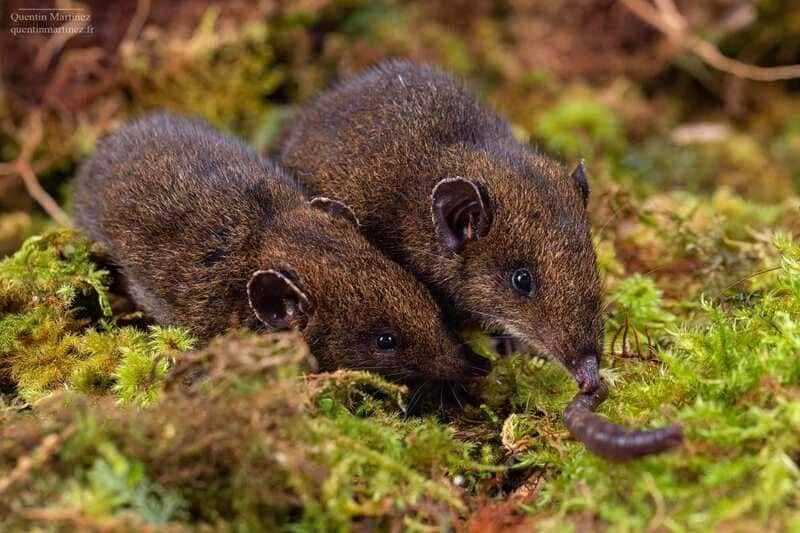
The hedgehog is small in size, with a long, pointed snout, and agile limbs. It is a typical omnivore , primarily feeding on insects but also consuming some fruits.
7. Far Eastern hedgehog (common in northern China and the Russian Far East)
Among the common hedgehogs in China, the Far Eastern hedgehog is a widely distributed and typical example. Also known as the Northeast hedgehog or Heilongjiang hedgehog , this species is mainly distributed in the three northeastern provinces of China, Inner Mongolia, Hebei, Shandong, Henan, Shanxi, Anhui, Jiangsu, Shaanxi, and Gansu , and is also widely distributed in the Russian Far East and the Korean Peninsula .
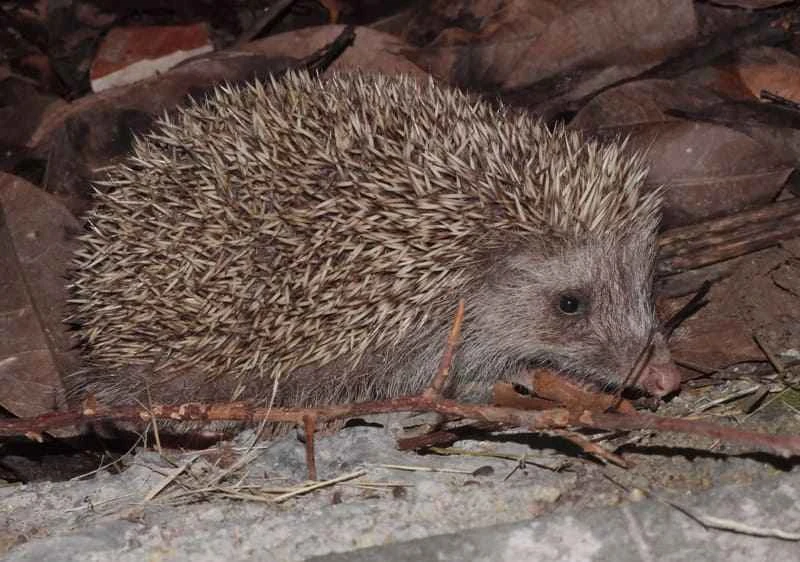
The Far Eastern hedgehog is a relatively robust and large species within the hedgehog family, with a sturdy and full-bodied appearance, giving it a solid and sturdy impression. They play the role of "pest terminator" in the ecosystem, primarily feeding on insects but also preying on rodents . They are of significant benefit to farmland and forest areas, and are therefore considered beneficial animals for agriculture, forestry, and animal husbandry .
When faced with danger, the Far Eastern hedgehog has a relatively weak ability to resist , and its main defense mechanism is to "curl into a ball". When frightened or attacked, it will quickly curl its body into a spiky ball to protect its soft abdomen, while raising its sharp spines to defend against further attacks from predators.
8. Daurian hedgehog (distributed in China/Mongolia/Russian Federation)
The Daurian hedgehog is a small hedgehog that typically inhabits arid and semi-desert regions. Native to Central Asia, it is widely distributed in Northeast China, Inner Mongolia, Shanxi, Shaanxi, Ningxia, Gansu, and Hebei , and also found in parts of Mongolia and Russia . They mostly live wild in arid grasslands, low-lying areas , and shrublands in semi-desert regions .
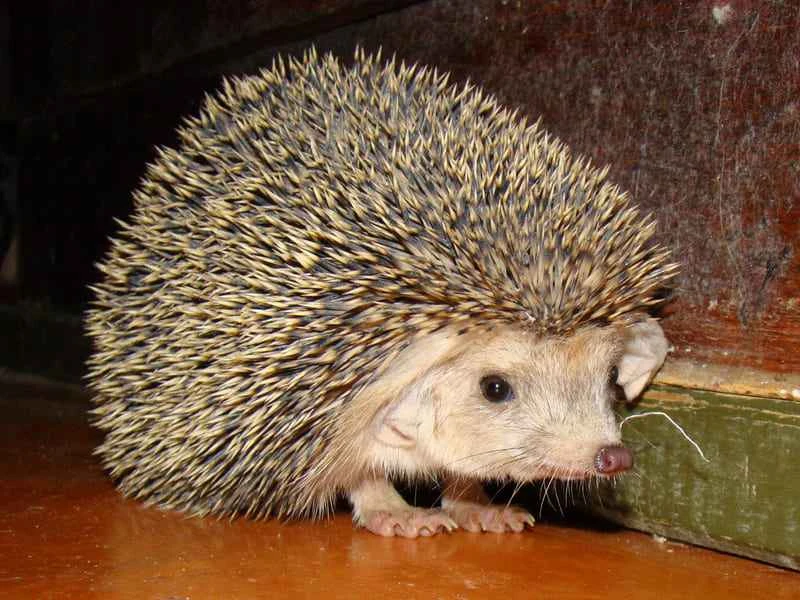
This hedgehog is relatively small, with long ears and a relatively short tail . Its back is light brown, its spines are mostly dark brown, and its chest and abdomen are covered with fine grayish-white or slightly orange-yellow fur. As a typical representative species of semi-desert environments , the Daurian hedgehog has a strong ability to adapt and can survive in relatively harsh climatic conditions.
In terms of temperament, they are timid, photophobic, highly alert, solitary, and dislike socializing . During the day, they usually rest in their self-built nests or hidden places, only venturing out to forage at night. More remarkably, Daurian hedgehogs possess a strong sense of security when foraging—they often cautiously follow fixed routes, repeatedly traversing the same path to scout the area before continuing onward, only proceeding when they are certain the environment is safe, until they reach their target region.
9. Chinese shrew (spineless hedgehog)
Not all hedgehogs have spines, such as the Chinese shrew, a special species found in China. This animal is relatively small, with a head and body length of about 100 to 125 millimeters and a tail that is almost half the length of its body. Unlike the hedgehogs we commonly see, they are spineless and look more like mice , but because their fur structure resembles the spines of a hedgehog in some ways, they are still classified as hedgehogs.
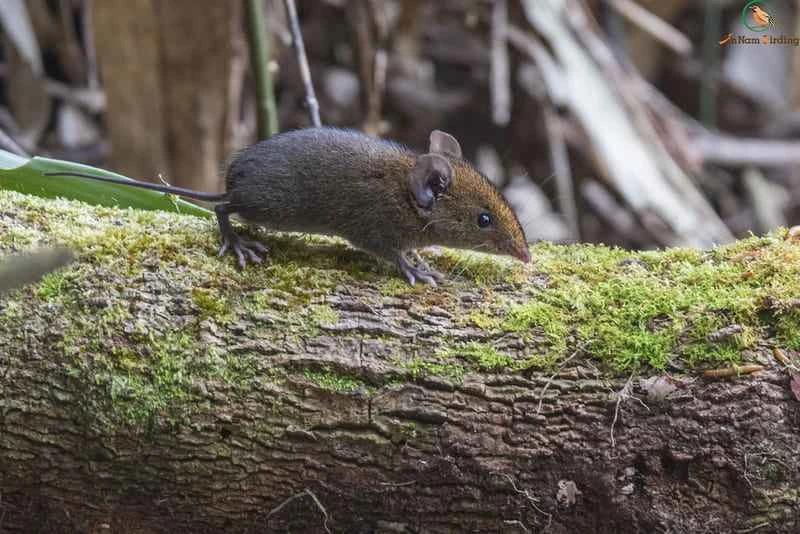
The Chinese shrew is a typical burrowing animal , nesting and living in places such as under tree roots, in dense bamboo forests, fern thickets, or on the ground covered with decaying leaves and moss . They hide in their nests during the day and venture out alone at night , exhibiting a distinct nocturnal habit.

In terms of diet, the Chinese shrew is an omnivore , mainly feeding on various insects, worms, and the roots and stems of succulent plants. Their populations are relatively concentrated, and they are commonly found in suitable habitats, unlike other hedgehogs which are more scattered .
10. North African hedgehog
The North African hedgehog is a rather intriguing type of hedgehog, quite similar in appearance to the common European hedgehog, but there are actually significant differences between the two. The North African hedgehog is relatively small, with adults measuring approximately 20 to 25 centimeters in length , giving it a more compact and adorable appearance.
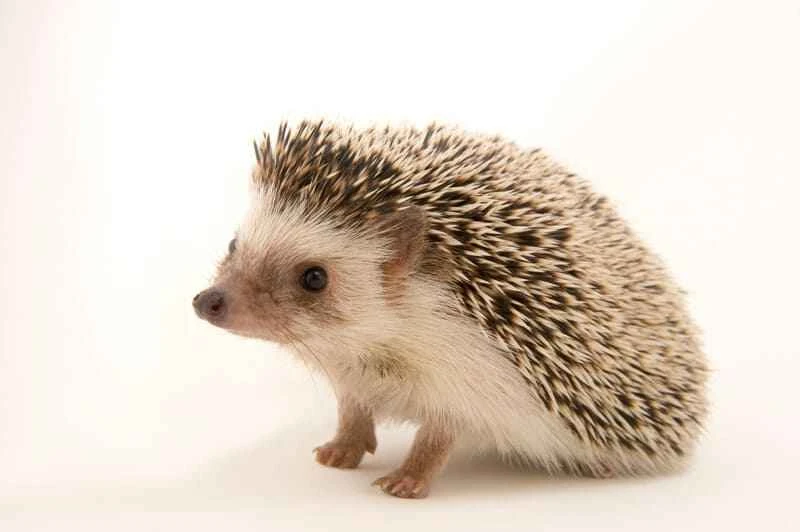
While the most common pet hedgehogs are currently hybrids of the four-toed hedgehog and the North African hedgehog , information about the North African hedgehog itself is relatively scarce. As a species native to Africa , it is generally believed that it was migrated to regions such as Spain and the Canary Islands by humans during historical periods , thus becoming the only one of the four species of African hedgehogs to now be distributed outside the African continent .
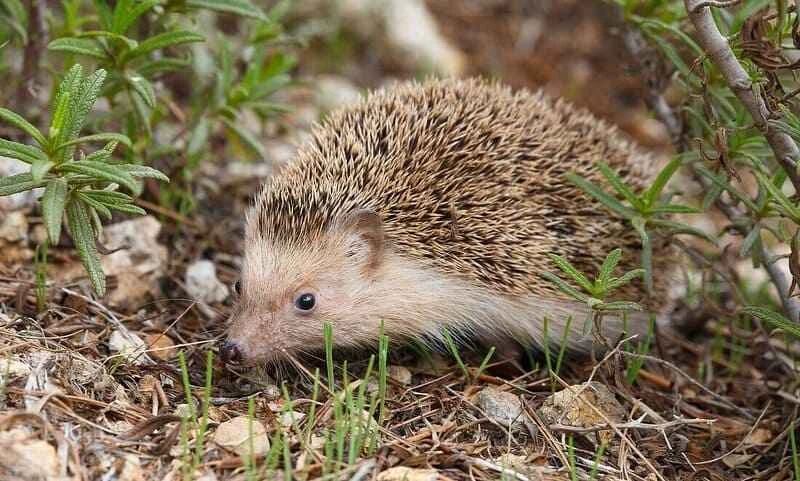
In terms of temperament and habits, North African hedgehogs are naturally solitary and not suitable for being kept with other hedgehogs . If kept together, they are prone to fighting due to territoriality, causing unnecessary injuries. Therefore, if kept as pets, it is recommended to provide them with their own independent living space to ensure their health and safety.
The ranking of the world's top ten hedgehogs is mainly based on hedgehog distribution and popularity, and also takes into account relevant internet rankings. The data is current as of April 11, 2025. If you have any questions, please feel free to comment/criticize at the end.