Chipmunks are omnivorous rodents that adjust their diet according to seasonal availability and habitat . In the wild, they eat a variety of nuts, seeds, fruits, vegetables, and even small animals . If you are keeping a chipmunk—whether as a pet or a wild visitor —you must mimic their natural diet to support their health and well-being.
1. What do chipmunks eat?
| Food types | Example | Its role in diet |
|---|---|---|
| Nuts and seeds | Acorns, pecans, peanuts, pecans, sunflower seeds, maple seeds, beech seeds | Main energy source , rich in fat and protein |
| fruit | Strawberries, blackberries, apples, grapes | Provides vitamins, natural sugars, and water. |
| Vegetables and grains | Corn, pumpkin, oats, barley | Supplement fiber and essential nutrients |
| Insects and small animals | Worms, snails, slugs, baby birds, eggs, baby frogs, salamanders, mice | Protein sources needed for survival, especially in the wild |
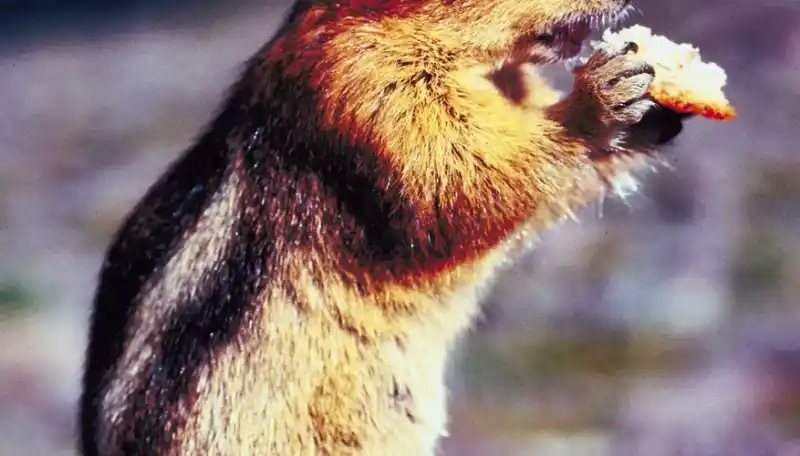
Chipmunks are opportunistic eaters , adjusting their diet according to the food available in their environment .
2. Nuts and seeds: Chipmunks' favorite food
Nuts and seeds form the basis of a chipmunk's diet, providing high-energy fats and proteins .
Southern chipmunks typically eat pecans and peanuts .
Other regions offer acorns, pecans, and maple seeds .
Sunflower and sweetgum seeds are also very popular, and are often collected and stored for the winter .
Nuts and seeds best suited for chipmunks:
✔Safe choices : Unsalted peanuts, walnuts, almonds, sunflower seeds, pumpkin seeds, pecans ❌Avoid : Salted or seasoned nuts, processed seeds, and toxic nuts such as macadamia nuts
3. Fruits and vegetables: Sources of vitamins
Chipmunks will naturally seek out fruits and vegetables , especially those that grow close to the ground .
Berries (strawberries, blackberries, blueberries) are rich in antioxidants and moisturizers .
Corn and pumpkin are common foods for chipmunks, but they may also raid gardens for a quick and easy meal.
| fruit | Vegetables and grains |
|---|---|
| Apples, grapes, bananas | Corn, pumpkin, carrot |
| Strawberries, blackberries, blueberries | Oats, barley, sweet potatoes |
Feeding tips : Provide small amounts of fresh, washed fruits and vegetables to prevent spoilage.
4. Protein source: Do chipmunks eat meat?
Although chipmunks primarily eat plant-based foods , they can also consume animal protein , especially when plant-based foods are scarce.
They prey on small animals , including worms, snails, slugs, and even baby birds .
Eggs and small reptiles (frogs, salamanders) provide additional protein .
In captivity, chipmunks may refuse live food , but boiled eggs or mealworms can be given to them as alternatives.
| animal food | Why do they eat these foods? |
|---|---|
| Insects (worms, snails, slugs) | Easy to capture, high in protein |
| Baby birds, eggs, baby mice | Survival food during harsh seasons |
| Little frog, salamander | Opportunistic hunting |
Note : Under captive conditions, protein can be supplemented with boiled eggs, mealworms, or a special rodent diet .
5. Dietary habits: How often do chipmunks eat?
Chipmunks eat frequently , but only a few times a day, at most six times .
| Eating behavior | describe |
|---|---|
| Frequent eating | Chipmunks eat small amounts of food several times a day. |
| Food storage | They stuff food into their cheek pouches and store it in their burrows. |
| Winter Behavior | They do not hibernate, but sleep for longer periods; they rely on stored food. |
| Dietary changes during cold months | Relying on acorns, nuts, and any available prey |
Chipmunks' cheek pouches allow them to store food for later consumption, which is crucial for surviving the winter .
6. Do not feed the chipmunk anything.
Some foods are harmful to chipmunks and should be avoided.
| Unsafe food | Why is it harmful? |
|---|---|
| Salted or seasoned nuts | Excessive salt intake can lead to dehydration. |
| Chocolate and Candy | Toxic to rodents |
| Bread and processed foods | May cause digestive problems |
| Macadamia nuts and almonds (in excess) | Consuming large quantities may be toxic |
| raw beans and onions | Contains harmful compounds |
Maintain the health of your chipmunks by feeding them natural, unprocessed foods .
7. Abstract: What is the best diet for chipmunks?
| The best food for chipmunks | Why they are important |
|---|---|
| Nuts and seeds (acorns, sunflower seeds, pecans) | High-energy foods, essential for winter survival |
| Fruits (berries, apples, grapes) | Provides vitamins, hydration, and antioxidants |
| Vegetables and grains (corn, pumpkin, oats) | Added fiber and nutrients |
| Protein sources (insects, eggs, mealworms) | Support muscle and overall health |
| freshwater | Hydration essentials |
By mimicking the natural diet of chipmunks , you can ensure they remain healthy, active, and thriving, whether in the wild or as pets.