Ferrets have been companions to humans since around 450 BC, initially used for hunting rabbits and controlling rodents. Today, thanks to advancements in veterinary care and nutrition, domesticated ferrets enjoy longer and healthier lifespans in households across the United States.
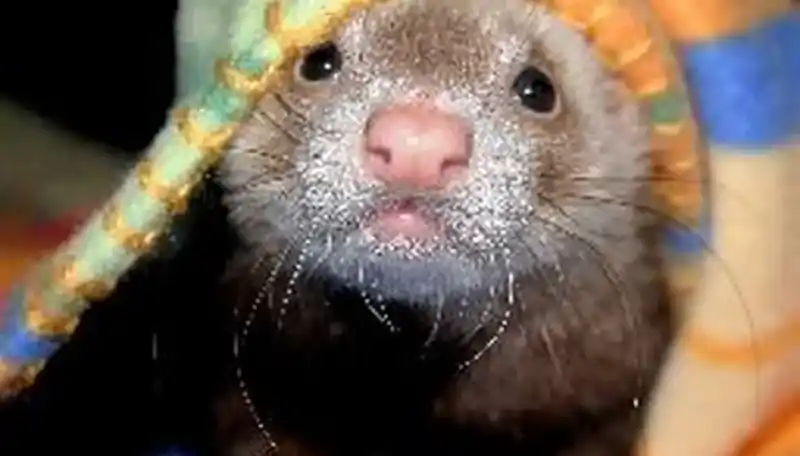
Lifespan Comparison
| Ferret type | Average lifespan |
|---|---|
| Domestic ferret | 6 to 10 years |
| Wild Black-footed Ferret | 3 to 4 years (wild) |
Although domesticated ferrets typically live longer due to better care, their wild relatives have much shorter lifespans in their natural habitats with harsher conditions.
Factors affecting lifespan
The lifespan of a domesticated ferret depends on a variety of factors:
| factor | Impact on lifespan |
|---|---|
| environment | A stress-free, enriching environment can help extend lifespan. |
| diet | A diet high in animal protein is essential; ferrets live on a diet containing at least 36% protein. |
| healthcare | Regular vaccinations and preventative care are essential for combating diseases such as canine distemper, rabies, and Aleutian virus. |
Common health problems
If not properly managed, ferrets are prone to several health problems that can affect their lifespan:
| health issues | Preventive measures |
|---|---|
| Canine distemper | Annual vaccinations specifically for ferrets. |
| Rabies | Get vaccinated against rabies regularly. |
| Aleutian virus | Keep ferrets away from sick pets; maintain good hygiene habits. |
| Adrenal disease | Monitor symptoms; seek veterinary care. |
The Importance of Sterilization
Neutering ferrets is crucial for their health:
| program | benefit |
|---|---|
| Sterilization (female) | Prevent severe anemia caused by excessively high estrogen levels. |
| Sterilization (male) | Reduce aggression and improve overall health. |
Conclusion: Extending the lifespan of ferrets
By understanding and managing the factors that influence the health and well-being of ferrets, owners can ensure their furry friends lead fulfilling and happy lives. Regular veterinary care, a proper diet, and a loving home environment are key factors in maximizing the lifespan of domestic ferrets.