Keeping ladybugs as pets in insect boxes or glass containers offers children a wonderful opportunity to learn about the life cycle of these creatures through direct observation. These fascinating creatures are easy to care for, but it's important to keep their environment moist . You can do this by gently spraying their habitat or placing a damp paper towel inside. As for their diet, it depends on the type of ladybug you're caring for, but their main food sources typically include small insects , fungi , and fruit .
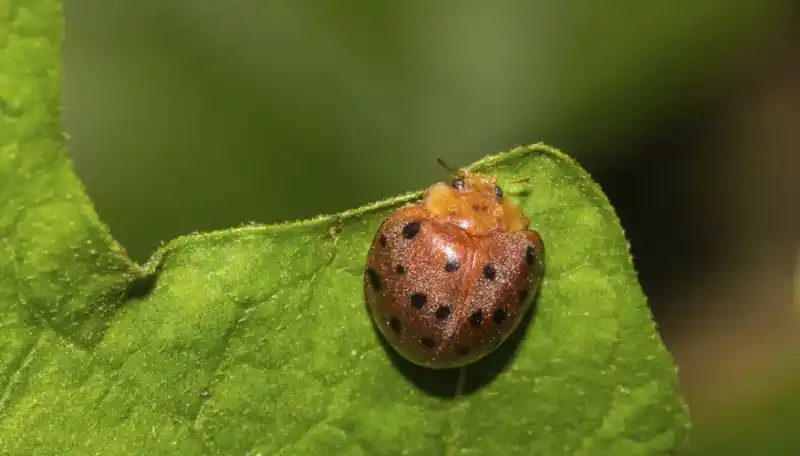
Ladybug Diet Overview
| Food types | Detailed information |
|---|---|
| aphid | Aphids are the primary food source for most ladybugs. These small pests feed on plant leaves, causing damage to the plants. You can buy aphids from a pet store and place them in the ladybugs' habitat. |
| Other small insects | Besides aphids, ladybugs also like to eat other small insects such as mites, whiteflies, and scale insects, which can also damage plants. It's essential to ensure that the insects you feed them are smaller than the ladybugs. |
| ladybug subspecies | The ladybug subspecies is a unique species of ladybug known for its vegetarian diet, feeding on fungi such as mushrooms and molds. Some even eat tree leaves. |
| Sweet Fruits | As a treat, you can feed ladybugs wet raisins or other non-acidic fruits. They also enjoy small amounts of jelly . |
Ladybug food types
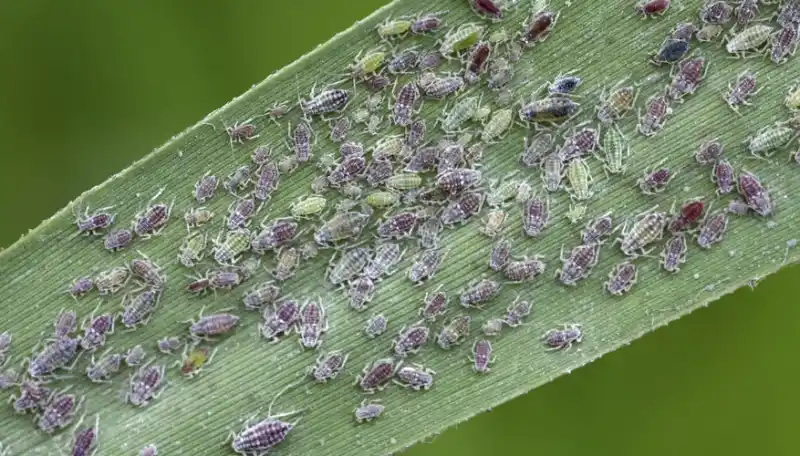
Aphids : Aphids are a staple food for many ladybug species, especially wild ladybugs. Aphids are readily available from pet stores.
Other insects : Ladybugs are natural pest controllers, eating mites , whiteflies , and scale insects that can also harm garden plants.
Fungi and leaves : Fungi such as mushrooms and molds are a major food source, especially for ladybugs of the Epilacninae family.
Fruits : Moist raisins and non-acidic fruits are safe and enjoyable food for ladybugs.
Tips for feeding pet ladybugs
Feeding frequency : Ladybugs don't require much feeding. Depending on the species, you may need to feed them every few days. Make sure they always have a food source.
Humidity : Keeping the ladybug's habitat moist is crucial for its survival. Regularly spray the environment to maintain adequate humidity.
Snacks : Occasionally offering sweet treats such as jelly can provide your ladybugs with extra nutrition and nutrients.
in conclusion
Caring for ladybugs can be a rewarding experience, especially when you know the right food to feed them. Whether it's aphids , small insects , or fungi , understanding ladybugs' dietary preferences is key to keeping them healthy and happy. With proper care and feeding, your ladybugs can thrive and provide valuable insights into their natural life cycle.