Rabbits are beloved for their adorable appearance, soft fur, and lively personalities. However, ensuring a rabbit's health and happiness begins with a scientifically sound diet. Many rabbit enthusiasts ask, "What do rabbits eat?" This article provides a comprehensive overview of rabbit dietary needs, covering their main food types, feeding plans, and common dietary misconceptions.
Why is a rabbit's diet important?
A rabbit's diet is crucial to its lifespan, overall health, and digestive system.
1. The rabbit's digestive system
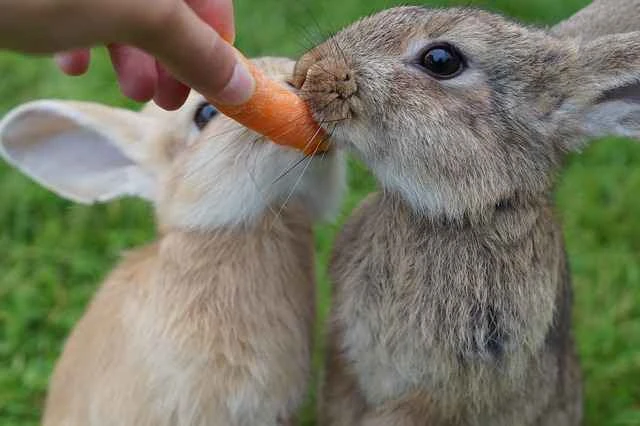
Rabbits have a digestive system specifically designed to process high-fiber foods.
Their gastrointestinal systems depend on a continuous flow of food to avoid digestive tract blockage or gastrointestinal stagnation.
2. Dental health
Rabbits' teeth grow throughout their lives.
Eating fiber-rich foods, such as hay, can help smooth teeth and prevent them from growing too long and causing health problems.
Main components of a rabbit's diet
A rabbit's daily diet should include hay, fresh vegetables, pellets, and a suitable amount of treats.
1. Hay (the base of a rabbit's diet)
Hay should make up 70-80% of a rabbit's daily food intake.
Common types of hay
Timothy hay : The most frequently recommended type of hay, popular for its high fiber content.
Orchard grass : It is relatively soft and suitable for rabbits that prefer a mild taste.
Alfalfa hay : suitable for rabbits under 6 months old because it contains high levels of protein and calcium, but adult rabbits should limit their intake.
Benefits of hay
Maintain a healthy digestive system.
To prevent excessive tooth growth.
Provides chewing pleasure, preventing rabbits from chewing on their cages out of boredom.
2. Fresh vegetables
Vegetables provide rabbits with essential vitamins, minerals, and water.
Recommended types of vegetables
Leafy green vegetables : lettuce (Romaine lettuce), kale, cilantro, and parsley.
Non-leafy green vegetables : carrot leaves, celery, cucumber, and zucchini.
Herbs : basil, dill, and mint.
Vegetables to avoid feeding
Iceberg lettuce (low nutritional value and prone to causing diarrhea).
Onions, garlic, and leeks (poisonous to rabbits).
Vegetable feeding amount
Adult rabbits: about 1-2 cups of fresh vegetables per 4 pounds of body weight per day.
3. Pelleted feed
Pelleted feed is a concentrated source of nutrition for rabbits, but it should be fed in moderation.
How to choose the right pelleted feed
High fiber : Select granules with a fiber content between **18-22%**.
Low protein and low calcium : Avoid using alfalfa-based adult rabbit feed.
Additive-free : Avoid pelleted feeds containing dried fruit, seeds, or artificial colorings.
Recommended feeding amount
Rabbit (<6 months) : 1/4 to 1/2 cup daily.
Adult rabbits : 1/8 to 1/4 cup per day, depending on size and activity level.
4. Fresh water
Rabbits must have a constant supply of fresh, clean water.
Water bowl vs. water bottle : It is recommended to use a heavy ceramic water bowl, as it can simulate natural drinking behavior and is easy to clean.
Make sure to change the water daily to keep the water source clean.
5. Snacks (occasionally as a reward)
Snacks should make up 5% or less of a rabbit's diet.
Snacks suitable for rabbits
Small pieces of apple (pitted), banana, strawberry, and blueberry.
Healthy, sugar-free commercial rabbit snacks.
Unsuitable snacks
Processed foods (bread, biscuits, potato chips).
Foods high in sugar (chocolate, candy).
High-sugar fruits, such as grapes or cherries, should be fed in small amounts.
What do baby rabbits eat (0-6 months)?
Young rabbits have special nutritional needs during their growth stages.
1. Breastfeeding period
0-3 weeks old : Baby rabbits are completely dependent on their mother's milk.
Orphaned rabbits can be replaced with cat formula or professional rabbit formula.
2. Transition period (3-6 weeks old)
Gradually add alfalfa hay and pelleted feed to the milk.
3. Weaning period (6-8 weeks old)
Gradually increase the amount of solid food, such as alfalfa hay and pelleted feed.
4. After weaning (2-6 months)
Continue feeding alfalfa hay and gradually introduce small amounts of fresh vegetables.
Common feeding misconceptions
1. Overfeeding pelleted feed
Overfeeding pelleted food can lead to obesity and digestive problems.
2. Sudden changes in diet
Sudden changes in diet can cause gastrointestinal discomfort. New foods should be introduced gradually over 7-10 days .
3. Feeding unsafe food
Avoid feeding rabbits foods that are harmful to them, such as chocolate and avocado.
4. Insufficient fiber intake
A lack of fiber can lead to gastrointestinal stagnation, a very dangerous condition for rabbits.
5. Dehydration
Dehydration can cause serious health problems, so make sure your rabbit has access to fresh water at all times.
Rabbit feeding schedule
morning
Replenish with fresh hay.
Add a small amount of pelleted feed.
afternoon
Feed them fresh vegetables and check that the water supply is adequate.
night
A small amount of snacks (optional).
Make sure there is enough hay for the rabbits to chew on at night.
Signs of a healthy diet
1. Normal bowel movements
Healthy rabbit droppings are round, dry, and uniform in size.
Soft stool (nutrient-rich cecal stool) is usually re-fed by rabbits to supplement their nutrition.
2. Active behavior
A well-nourished rabbit will remain alert, active, and playful.
3. Healthy hair and skin
Shiny, soft fur and moisturized skin are signs of a good diet.
What to do when a rabbit refuses to eat?
1. Check health status
Loss of appetite may be a sign of dental problems, gastrointestinal stagnation, or other illnesses.
2. Provide your favorite foods.
Use treats that rabbits like, such as banana chips or fresh herbs, to entice them to eat.
3. Seek medical attention promptly.
If a rabbit has not eaten for more than 12 hours , it should be taken to a veterinarian immediately.
Summarize
Understanding what rabbits eat is crucial for their health and well-being. A diet primarily consisting of hay and fresh vegetables, supplemented with appropriate amounts of pelleted food, will meet their nutritional needs. Following proper feeding methods and avoiding common mistakes will ensure your rabbit lives a healthy and happy life. Remember to provide plenty of water, hay, and occasional treats daily to help your rabbit thrive. If you notice any changes in your rabbit's appetite, consult a veterinarian for professional advice.