Mackerel, also known as blue mackerel, Japanese mackerel, and other names, is a group of marine fish belonging to the family Scombridae. They are widely distributed in temperate and tropical waters worldwide and are renowned for their fast swimming ability and delicious flesh. This article will provide a detailed explanation of mackerel from multiple perspectives, including its scientific classification, physical characteristics, ecological behavior, and conservation status, to help you gain a comprehensive understanding of this important marine species.
1. Scientific classification of mackerel (simplified)
Mackerel belong to the family Scombridae, which contains a wide variety of species and is widely distributed in oceans worldwide. The following are their main scientific classifications:
Kingdom: Animalia
Phylum: Chordata
Class: Actinopterygii
Order: Scombriformes
Family: Scombridae
Genus: Scomber
Species: Different species of mackerel, such as Atlantic mackerel (Scomber scombrus) and spotted mackerel (Scomber japonicus).
Mackerel are generally divided into two main categories: Atlantic mackerel and Pacific mackerel, with Atlantic mackerel being the most well-known type.
2. The Zoological History of Mackerel
Mackerel have a history dating back millions of years and are an important link in the marine food chain. Early mackerel fishing was typically done by primitive fishermen, but with advancements in fishing technology, modern mackerel catches have increased dramatically. Mackerel plays a vital role in commercial fisheries, especially in Japan and Western countries, where it is a common seafood product.
3. Morphological characteristics and physical properties of mackerel
Mackerel are typical fast-swimming fish with some unique physical characteristics:
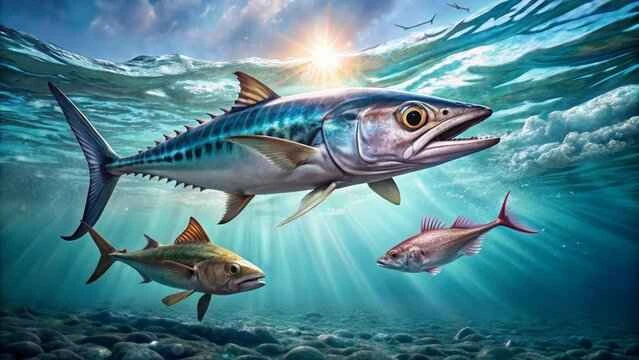
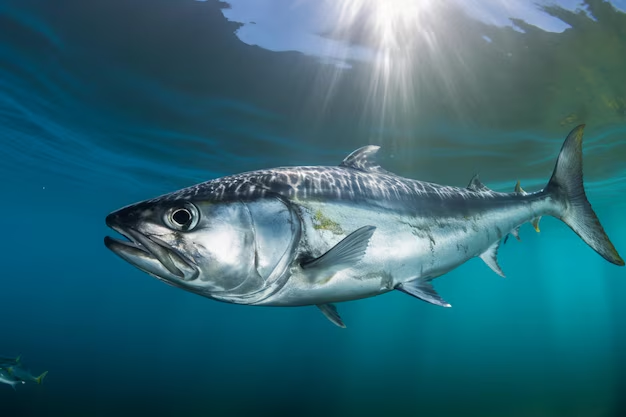
Appearance: Mackerel have a streamlined body, with a green or blue back and a silvery-white belly. They usually have distinct horizontal stripes on their bodies.
Body length: Mackerel can usually grow to 30-50 cm, but some varieties can grow to more than 1 meter.
Weight: Atlantic mackerel weighs approximately 300 grams to 1 kilogram.
Lifespan: Mackerel typically live between 5 and 7 years, but under suitable environmental conditions, they can live for more than 10 years.
These characteristics enable mackerel to swim quickly in the ocean and prey on small fish and plankton.
4. Global distribution and habitat of mackerel
Mackerel are widely distributed in all the world's oceans, especially in temperate and tropical waters. They typically inhabit shallow waters, particularly near coastal waters and continental shelves. Mackerel prefer warm waters and usually live near the ocean surface, migrating vertically with the seasons.
Distribution area: Mackerel are widely distributed along the coasts of the Atlantic, Indian and Pacific Oceans, especially in the waters of Europe, North America and Asia.
Habitat: Mackerel live in waters with suitable temperatures and abundant nutrients. They prefer areas rich in plankton and therefore often occupy a higher position in the food chain.
5. Ecology and Behavior of Mackerel
Mackerel are carnivorous fish, primarily feeding on small fish, plankton, and crustaceans. Their diet and behavioral characteristics are as follows:
Ecological role: As mid-level predators, mackerel play an important balancing role in the food chain. They help control the populations of small fish and plankton.
Behavioral patterns: Mackerel are social fish, typically living in groups in the ocean. These groups exhibit strong cooperation and are able to effectively defend themselves against predators.
6. Migration patterns of mackerel
Mackerel exhibit significant seasonal migratory behavior, typically undertaking large-scale migrations in spring and autumn:
Migration routes: Mackerel typically migrate with changes in temperature and food resources. For example, Atlantic mackerel usually migrate south during the winter and return to colder northern waters in the spring.
Purpose of migration: The main purpose is to find food and a suitable breeding environment.
7. Daily activities and social behavior of mackerel
The daily activities of mackerel include foraging, reproducing, and resting:
Foraging activities: Mackerel are diurnal fish, often foraging in the early morning and evening, using their agile swimming ability to chase small fish.
Social behavior: Mackerel exhibit social behavior, especially during migration and foraging, often forming groups of hundreds to thousands of fish. This group cooperation enables them to effectively defend against predators.
8. Mackerel's diet and foraging strategies
Mackerel are typical carnivorous fish, and their diet mainly includes:
Plankton: Mackerel obtain nutrients by filter-feeding on plankton.
Small fish: such as sardines and anchovies.
Crustaceans: including small shrimp and other crustaceans.
Mackerel catch their prey by swimming at high speeds; their size and swimming skills allow them to quickly capture prey in the water.
9. Mackerel Reproduction
Mackerel typically breed during warmer seasons, especially spring and summer. They choose to breed in warmer waters.
Reproductive habits: Mackerel are oviparous fish. After spawning, the eggs float in the seawater and hatch into fry.
Breeding cycle: The breeding cycle of mackerel is usually one year, and they spawn multiple times each year.
10. Current status and conservation level of mackerel
Currently, mackerel is not listed as an endangered species globally, but due to overfishing, some mackerel populations are facing pressure. Many countries and regions have begun to take measures for management and protection.
Conservation status: Mackerel is not currently listed as an endangered species by the International Union for Conservation of Nature (IUCN), but the numbers of some species, such as the Atlantic mackerel, have declined significantly.
Conservation measures include establishing fishery quotas, controlling fishing seasons, and reducing pollution. International cooperation has also played a positive role in the conservation of mackerel.
11. Major threats and natural enemies of mackerel
The main threats to mackerel include:
Overfishing: Mackerel is one of the main targets of global fisheries, and overfishing seriously affects the sustainability of its population.
Marine pollution: Marine plastic pollution, oil spills, and other factors threaten the habitat of mackerel.
Natural enemies: Mackerel's natural enemies include moray eels, seabirds, dolphins, etc., which play the role of predators in the mackerel's life cycle.
12. Ecological value of mackerel
Mackerel play an important role in marine ecosystems:
Maintaining food chain balance: As a mid-level predator, mackerel helps maintain the balance of the marine food chain.
Nutrient transfer: Mackerel are a food source for many large marine predators, and their role in nutrient transfer within the ecosystem is crucial.
13. The related cultural and economic value of mackerel
Mackerel holds an important place in the culinary cultures of many parts of the world, especially in Japan, Korea, and the Mediterranean region. They are an important food resource and are widely used in processed products such as canned goods, smoked foods, and pickled foods.
Economic value: Mackerel is one of the world's most important marine fishery resources, and its fishing and processing industries bring considerable economic income to many countries.
Cultural value: In Japan, mackerel is an important ingredient in sushi and sashimi, while in the West, mackerel is often used to make grilled fish and canned goods.
14. Close relatives of mackerel
| Species name | Common Names | Distribution area | Maximum body length | feeding habits | Protection status |
|---|---|---|---|---|---|
| Scomber japonicus | Japanese Mackerel | Japan, Southeast Asia | 50 cm | Carnivorous | Stablize |
| Scomber scombrus | Atlantic mackerel | Atlantic Ocean, Mediterranean Sea | 60 cm | Carnivorous | Threatened |
| Euthynnus alletteratus | small mackerel | Tropical Atlantic | 90 cm | Carnivorous | Stablize |
in conclusion
Mackerel are an important group of marine fish with a wide distribution and significant economic and ecological value worldwide. Understanding the scientific classification, ecological behavior, and conservation challenges faced by mackerel is crucial to ensuring the sustainability of their populations. It is hoped that conservation measures and international cooperation can effectively protect this important marine species.
Mackerel are a type of marine fish belonging to the family Scombridae. They are widely distributed in temperate and tropical waters worldwide and are known for their fast swimming ability and delicious flesh. This article will provide a detailed explanation of mackerel from multiple aspects, including their scientific classification, physical characteristics, ecological behavior, and conservation status, to help you gain a comprehensive understanding of this important marine species.