Turtles are popular reptile pets in many households, beloved for their cuteness, quiet nature, and ease of care. But did you know that a turtle's diet directly impacts its health, growth rate, and lifespan? As a pet expert, this article will detail what turtles love to eat and how to feed them scientifically to ensure their healthy growth.
I. Dietary Types of Baby Turtles
1.1 Omnivorous
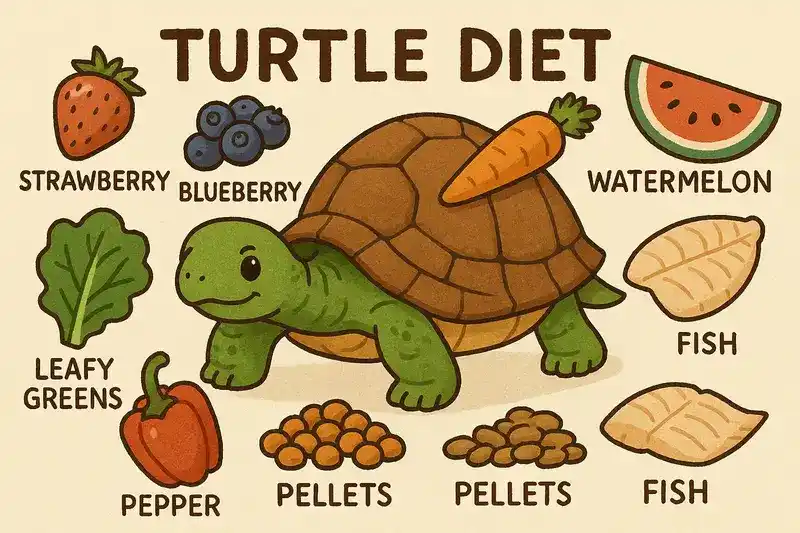
Most common amphibious turtles (such as red-eared sliders and Chinese pond turtles) are omnivorous, eating both animal protein and plant-based foods.
1.2 Changes with age
Turtles' diets also change with age: young turtles prefer animal protein, while adult turtles tend to eat more plant-based foods.
II. The most favorite animal food of small turtles
2.1 Small fish and shrimp
Live or frozen small fish and shrimp are among the turtles' favorite foods, as they are rich in high-quality protein and calcium.
2.2 Bloodworms and brine shrimp
Bloodworms and brine shrimp are high in protein and easily digestible, making them suitable for feeding young turtles, but they should not be fed exclusively to them for extended periods.
2.3 Dried fish and dried shrimp
It can be used as a snack or supplementary feed, but low-salt, additive-free products should be selected.
2.4 Tubifex worms and insect larvae
Natural and high in protein, it helps stimulate appetite and is suitable for occasional feeding as a "supplement".
III. Plant-based foods that baby turtles like
3.1 Lotus root, cucumber, lettuce
These types of foods are high in water and fiber, which helps with intestinal motility, but they have a low nutrient density and need to be paired with high-protein feed.
3.2 Aquatic plants (such as hornwort)
Aquatic plants can simulate the wild ecological environment, serving as both food and water purification.
3.3 Carrots and pumpkin (thinly sliced)
Rich in Vitamin A, it is beneficial to the turtle's eye and skin health.
3.4 Apples and bananas (occasionally in small amounts)
It has a high natural sugar content, so it should not be eaten in large quantities. It can be used as a condiment to stimulate appetite.
IV. Commercial turtle food: A good choice for scientific feeding
4.1 Advantages of Specialized Turtle Food
A balanced diet is essential; avoid picky eating.
Added calcium and vitamins to prevent soft-shell disease
Easy to store and easy to control feeding amount
4.2 How to Choose High-Quality Turtle Food
Check the ingredient list and prioritize brands with high levels of animal protein.
No artificial colors, low salt
Choose between baby turtle food or adult turtle food based on the turtle's age.
V. Feeding Precautions
5.1 Control the amount of feed given
Each feeding should be completed within 10 minutes to avoid food residue polluting the water.
5.2 Feeding frequency
Young turtles: 1-2 times daily
Adult turtles: once every 2-3 days is sufficient.
5.3 Hygiene of the breeding environment
Leftover food should be removed promptly, and the water should be changed regularly to prevent bacterial growth.
5.4 Calcium Supplementation and Sunlight
Adequate calcium supplementation and UVB irradiation can prevent rickets and metabolic bone diseases.
VI. Common Misconceptions and Corrections
6.1 Feed only meat
Feeding your child meat for an extended period can lead to nutritional imbalances, making them more susceptible to gastrointestinal diseases and fatty liver. A balanced diet should include plant-based foods.
6.2 Regularly fed human food
High-salt and high-oil foods are harmful to turtles; never feed them cooked food or seasonings.
6.3 The more food, the better.
Overfeeding not only pollutes the water but also leads to obesity, water quality deterioration, and shell deformation in turtles.
VII. Conclusion
The diet of baby turtles may seem simple, but it actually involves science. Understanding their nutritional needs and preferences, planning their animal and plant-based diets, and supplementing with professional turtle food, daily care, and calcium-enhancing lighting can help your turtle stay healthy, active, and live a long life.
Every bite of food is a step towards a healthy life for your turtle. Feed it with care, and make your life with your little turtle warmer and more beautiful!