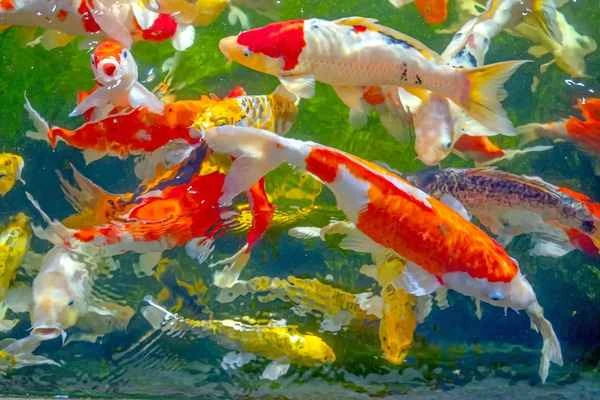
Koi, as a beautiful and symbolic ornamental fish, has always been beloved by aquarium enthusiasts. Whether in a home pond or a large garden pond, proper care can help koi thrive and showcase their most beautiful colors and vitality. In this article, we will detail the correct way to raise koi, covering professional knowledge on water quality management, pond selection, feeding techniques, and disease prevention, helping you better care for these beautiful fish.
1. The correct way to raise koi: The importance of water quality management
Water quality is one of the most critical factors in koi farming. Poor water quality can lead to koi illness and even death, so understanding how to manage water quality is essential for successful farming.
Water temperature control: The ideal water temperature range for koi is 18-24°C. Water that is too hot or too cold can affect the health and growth of koi, especially in summer and winter, when special attention needs to be paid to changes in water temperature.
pH management: Koi prefer neutral to slightly alkaline water, with the pH level maintained between 7.0 and 7.5. Water that is too acidic or too alkaline can cause discomfort to the koi.
Ammonia nitrogen and nitrite: It is crucial to regularly monitor the levels of ammonia nitrogen and nitrite in the water and maintain their concentrations within safe limits (e.g., below 0.1 mg/L). High concentrations of these harmful substances pose a significant threat to the health of koi.
2. The correct way to raise koi: Choosing a pond or aquarium
Choosing a suitable pond or aquarium is fundamental to the healthy growth of koi. Factors such as the size and depth of the pond, and the filtration system, directly affect the quality of life of the koi.
Pond size: Koi need a lot of space to swim. It is recommended that the pond be at least 1.5 meters deep and have a large enough surface area to provide a comfortable growing environment for koi.
Aquarium selection: If you choose to keep koi indoors, it is recommended to choose an aquarium of at least 200L to provide enough space for the koi to grow.
Filtration System: Koi require a stable water quality environment, and the filtration system is the core equipment for maintaining clean water. Choose a filter with an appropriate water volume and clean it regularly to ensure its efficient operation.
3. The correct way to raise koi: feeding techniques and feed selection
Proper feeding not only promotes the health of koi but also ensures their colors remain vibrant. Certain techniques are needed when feeding koi to avoid overfeeding and providing a monotonous diet.
Type of feed: High-quality koi-specific feed is the best choice. This type of feed is rich in nutrients such as protein, fat, minerals, and vitamins, which help koi grow and enhance their color.
Feeding amount: Avoid overfeeding, as excessive food can pollute the water and cause digestive problems for koi. It is best if the koi can finish their food within 5-10 minutes of each feeding.
Feeding frequency: In summer, koi are more active and can be fed 2-3 times a day; while in winter, when the water temperature is low, koi have a reduced appetite and the feeding frequency should be reduced accordingly.
4. Proper Koi Care: Disease Prevention and Control Measures
Koi are susceptible to some common diseases during the breeding process, so it is necessary to do a good job in disease prevention and control in advance.
Common diseases: Common diseases in koi include white spot disease, gill rot, and parasite infections. Early detection and intervention can effectively prevent the spread of diseases.
Water quality maintenance: Keeping the water clean is an effective way to prevent diseases. Regularly cleaning the pond, changing the water, and checking the pH and ammonia nitrogen concentration can effectively reduce the growth of pathogens.
Drug treatment: When koi show symptoms, appropriate medication should be administered promptly. Choose medication specifically for koi and use it according to the instructions.
5. The correct way to raise koi: seasonal management and temperature control
Koi carp's needs and behaviors vary with the seasons, so appropriate management measures should be taken according to different seasons.
Summer Management: When water temperatures rise in summer, it is necessary to increase water flow and provide shade to prevent the water from becoming too hot. Excessively high water temperatures not only affect the koi's appetite but also reduce dissolved oxygen levels in the water.
Winter Management: During the cold winter months, koi become less active and enter a dormant state. At this time, reduce feeding to prevent excessive food residue in the water. Also, ensure the pond does not freeze; use a heater or air pump to keep the water surface aerated.
6. Proper Koi Care: Breeding Techniques and Fry Care
Breeding koi is a complex but enjoyable process. If you wish to breed koi, here are some essential breeding techniques to master.
Breeding season: Koi typically breed in spring and summer when the water temperature is suitable and breeding activity is more frequent. The water temperature should be maintained between 18-24°C.
Breeding environment: Providing a suitable breeding environment for koi is very important. Egg-laying stones or nets can be placed in the pond for the koi to lay their eggs.
Raising juvenile koi: After hatching, juvenile koi need fine food, and the water quality should be kept clean and stable. The water temperature also needs to be adjusted appropriately to promote the healthy growth of the juvenile koi.
7. The correct way to raise koi: the combination of aquatic plants and decorations
Placing aquatic plants and decorations in ponds or aquariums not only beautifies the environment but also provides koi with places to live and hide.
Aquatic plant selection: Aquatic plants not only provide oxygen but also help maintain water quality balance. Choosing some shade-tolerant aquatic plants can both enhance the natural beauty of the pond and improve water quality.
Decoration design: Placing some natural rocks or artificial hills can provide hiding places for koi and reduce their stress from external disturbances. However, it is important to ensure that the surface of the decorations is smooth to avoid harming the koi.
Proper care for koi: Maintaining healthy and beautiful koi.
Raising koi may seem simple, but ensuring their healthy growth and vibrant colors requires attention to several details. Here are some key points for proper koi care to help you avoid common mistakes and ensure your koi's health and vitality.
1. Water quality management is fundamental: ensuring water cleanliness and balance.
Regularly test water quality : Koi have high requirements for water quality; the concentration of harmful substances such as ammonia nitrogen, nitrite, and nitrate in the water should be kept at the lowest possible level. Regularly check the water quality using a water quality testing kit and ensure that the pH value is maintained between 7.0 and 7.5.
Water change frequency : Change at least 20%-30% of the water weekly to prevent water quality deterioration. This is especially important when stocking density is high, as water quality deteriorates more quickly.
Cleaning the filtration system : Ensure the filter system is working properly and clean it regularly to prevent filter media from clogging and causing water quality deterioration.
2. Temperature control: Suitable water temperature is crucial for koi.
Summer High Temperature Precautions : The ideal water temperature for koi is 18-24°C. If the water temperature is too high (above 28°C), the health of the koi will be threatened. In this case, it is necessary to increase water flow, set up shade nets, and use water pumps or cooling systems to regulate the water temperature.
Winter Low Temperature Management : When the water temperature drops below 10°C, koi will enter a dormant state, with reduced appetite and activity. In winter, the amount of food can be appropriately reduced to prevent the pond from freezing due to excessively low water temperatures. Heaters or air pumps can be used to maintain water flow.
3. Suitable breeding environment: Provide ample space and hiding places.
Pond depth and area : Koi need sufficient space to swim. The pond depth should be no less than 1.5 meters, and the surface area should be determined according to the number and size of the koi. Insufficient space will restrict their growth and lead to water quality deterioration.
Decorations and aquatic plants : Placing some aquatic plants, rocks and other natural decorations in the pond or aquarium can not only beautify the environment, but also provide koi with places to live and hide, reducing the stress caused by external disturbances.
4. Feed and feeding amount: Reasonable dietary management
Choose high-quality feed : Purchase high-quality feed specifically designed for koi to ensure they receive balanced nutrition, promoting their growth and vibrant colors. Avoid feeding koi unprocessed food such as raw meat or bread.
Control the amount of food : Each feeding should be limited to an amount that the koi can finish eating within 5-10 minutes to avoid excessive food residue in the water, which can lead to water pollution.
Reduce feeding in winter : Koi have a reduced appetite in winter when the water temperature is low, so the frequency and amount of feeding should be reduced.
5. Disease prevention and vaccination: Prevention is more important than treatment
Keep the water clean : Maintaining cleanliness in ponds or aquariums can effectively reduce the growth of bacteria. Regularly clean the bottom of the pond to remove residue and debris, preventing decaying matter from affecting the water quality.
Regularly observe the health of koi : Carefully observe the behavior and appearance of koi, and take measures as soon as possible if any abnormalities are found (such as slow swimming, spots on the skin or inflammation of the gills).
Use appropriate medication : If koi are infected with disease, choose a specialized medication for treatment and use it according to the instructions. Avoid overuse of medication to prevent negative impacts on water quality and the health of the koi.
6. Avoid overcrowding: Plan stocking density appropriately.
Avoid overcrowding : Overcrowding leads to competition for food, insufficient oxygen, and water pollution, increasing the risk of disease. Each koi needs sufficient swimming space and oxygen supply, so the stocking density should be controlled according to the size of the pond or aquarium.
Provide hiding places : Especially in large ponds, provide some secluded places (such as clumps of aquatic plants, piles of rocks, etc.) so that koi can avoid external disturbances.
7. Avoid excessively strong or weak light: Maintain natural lighting conditions.
Adequate lighting : Koi prefer natural light, but direct, strong sunlight should be avoided, especially during the high temperatures of summer, as excessive sunlight can cause the water temperature to rise. Light intensity can be regulated by using shade netting or planting floating plants.
Avoid excessive darkness : An environment that is too dark will affect the activity and health of koi, while adequate light will help koi grow normally.
8. Breeding Management: Creating a suitable breeding environment for koi.
Provide spawning conditions : If you want your koi to breed, place spawning stones or nets in the pond for them to use during the breeding season. The water temperature should be maintained between 18-24°C; water that is too cold will inhibit breeding behavior.
Separately raise juvenile fish : Juvenile fish require more meticulous management after hatching, including water quality and food. If you don't want your koi to reproduce too quickly, it's best to raise adult fish and juvenile fish separately.
9. Regular inspection and maintenance: Maintain a stable breeding environment in the long term.
Regularly inspect equipment , including filters, heaters, air pumps, etc., to ensure they are functioning properly and to prevent malfunctions that could lead to poor water quality or harm to the koi's health.
Clean the pond and equipment : Regularly remove leftover food, sediment, and filtration equipment from the pond to maintain a clean environment. Take care not to harm the koi when inspecting the equipment.
10. Avoid improper handling: Handle koi fish with care.
Avoid excessive handling : Try to avoid handling koi excessively, as their bodies are easily injured. If you need to move them, it is best to use a soft net and minimize touching.
Avoid strong water currents : Strong water currents can cause discomfort to koi, especially when they are juveniles. Keep the water current moderate and avoid overly violent impacts.
Properly raising koi involves not only basic water quality management, temperature control, and feeding techniques, but also attention to detail and long-term maintenance. By understanding and following these guidelines, you can provide your koi with a healthy and comfortable growing environment, ensuring their longevity and beautiful colors. Remembering these details and regularly checking and adjusting your care methods will allow your koi to display their best condition and bring you endless enjoyment.
Conclusion
Properly raising koi involves more than just knowing how to feed and change the water; it encompasses water quality management, pond selection, feeding techniques, and disease prevention. Through scientific and meticulous management, you can ensure the healthy growth of your koi, bringing beautiful scenery and a joyful experience. Hopefully, this detailed guide will help you better care for your koi and enjoy the pleasures of fishkeeping.