Dogs are among the world's most beloved pets, and watching them grow from lively puppies to mature adults is a beautiful journey every pet owner can experience. This article will delve into the growth process of dogs, from puppyhood to adulthood, helping you understand their development, behavior, and how to provide the best care at each stage.
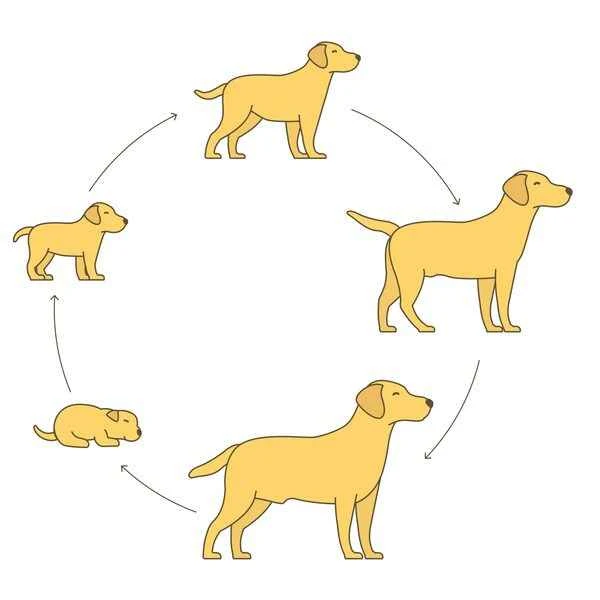
Understanding the puppy stage
The puppy stage is the most exciting and vulnerable period in a dog's life. It is during these early weeks and months that they begin to form their personalities, habits, and establish a healthy foundation.
puppy physical development
Newborn puppies are blind, deaf, and unable to regulate their body temperature. As they grow, their bodies change rapidly, becoming stronger and more agile. By three weeks old, their eyes and ears begin to open, and they start exploring their surroundings.
Weeks 1-4: This is an important learning stage for puppies. They begin to learn from their mother and littermates, and develop basic motor skills and socialization abilities.
4-8 weeks: Puppies start playing, learning to interact with humans and other dogs, and begin to be introduced to solid food.
behavioral changes in puppies
As puppies grow, their behavior changes. Early socialization and interaction with people, pets, and new environments are crucial during this stage. Training during this period can help shape a dog's future behavior.
The crucial first year
A puppy's first year is full of growth and change. Not only are their bodies developing, but their minds and emotions are also developing in tandem.
Physical growth
Puppies typically experience significant growth around 6 months of age. Most dogs reach about half their adult size by this time, although larger breeds, which grow more slowly, may continue to grow later.
3-6 months: During this stage, puppies may begin to show more independence and may test boundaries, so early training and socialization are very important.
6-12 months: The puppy's body continues to mature and begins to show the appearance of an adult dog, although they are still full of energy and curiosity.
Psychological development
Puppies begin to form a stronger bond with their family, learn their names, and start responding to commands. During this stage, consistent training helps them learn basic obedience and household rules.
puberty in dogs
Around one year old, many dogs enter puberty, similar to adolescence in humans. They may exhibit more independence, energy, and sometimes troublesome behaviors.
Behavioral changes in puppies during puberty
Increased energy: Teenage dogs are usually more energetic than puppies and need more exercise.
Testing Limits: They may test their limits and become a bit stubborn. Continuous training and positive reinforcement will help them get through this phase.
Body and hormonal changes
During this stage, dogs also experience hormonal changes. This is the time when many dogs experience their first heat (female dogs) or reach full sexual maturity (male dogs). Depending on the breed, they may also reach full sexual maturity during puberty.
Transition to adult dogs
A dog is generally considered an adult when it is around 2 years old. However, this transition period can vary depending on the breed and individual differences.
Physical maturity
Small breed dogs: They usually reach full maturity at 12-18 months.
Large dogs: Because they grow more slowly, they may not fully mature until they are 2-3 years old.
Psychological and behavioral maturity
Adult dogs are generally calmer and less easily excitable than puppies. They have a better understanding of their environment and role in the family, and usually behave more obediently and responsively to training.
The importance of continuous training and socialization
Even if your dog is already an adult, training and socialization remain very important parts of their lives.
Continuous learning
Dogs are lifelong learners, and continuous training helps maintain a good relationship and ensures proper behavior. Basic commands such as "sit," "stay," "come," and "put down" should be constantly reinforced.
Socialization at all age levels
Socialization is important for both puppies and adult dogs. Exposing dogs to new people, other dogs, and different environments helps them stay confident and comfortable in various situations.
Senior years: Caring for elderly dogs
As dogs enter their senior years (around 7 years for small breeds and around 5 years for large breeds), their needs change. Older dogs may have less energy than when they were younger, their eyesight and hearing may decline, and they will require more care.
Health problems of senior dogs
Older dogs may develop arthritis, dental problems, or cognitive impairment (similar to dementia in humans). Regular veterinary checkups are essential to help monitor their health and make adjustments to their diet and exercise.
Adjusting the lifestyle for older dogs
Exercise: Older dogs may not need the same vigorous exercise as younger dogs, but daily walks and mental stimulation are still important.
Diet: Older dogs may need a special diet to support joint health and overall well-being.
The growth process of a dog
From energetic puppies to mature adults, and then to intelligent senior dogs, a dog's life is a process of change, growth, and adaptation. At each stage, pet owners need to provide love, training, proper care, and attention to ensure they can live a healthy and happy life.
Conclusion: A Dog's Growth Journey
Dogs go through many stages in their lives, from puppyhood to adulthood and senior years. Understanding these stages and providing proper care at each stage will ensure your dog lives a long, healthy, and happy life. Whether you're raising a puppy or caring for an older dog, the bond between you and your dog will grow stronger over time.