Table of contents:
What is a desert fox?
Desert Fox Care Requirements: What You Need to Know
Is a desert fox a good pet?
Diet and Health of Desert Fox
Desert fox personality and behavior
Legal status of desert foxes: Can they be kept as pets?
Housing requirements of desert foxes
Desert Fox Price and Related Costs
Desert fox training and socialization needs
Desert Fox's gameplay and rich content requirements
Is it appropriate to keep a desert fox as a pet?
Conclusion: Should you keep a desert fox as a pet?
1. What is a desert fox?
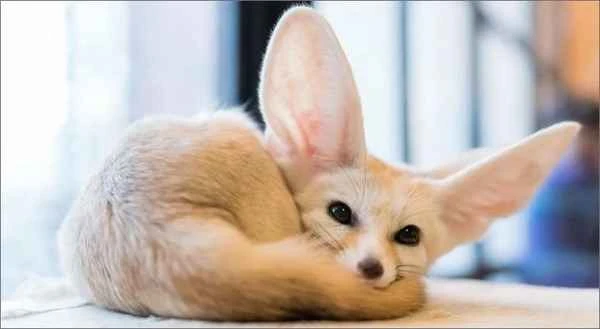
The desert fox (scientific name: *Vulpes zerda* ), also known as the big-eared fox, is a small fox native to the Sahara Desert in Africa. It is loved by many for its large ears and gentle appearance. The desert fox's very large ears are its most distinctive feature, helping it dissipate heat in the hot desert environment. They typically have light-colored fur, an adaptation to the desert climate.
Interesting facts:
Although desert foxes look very cute, they are wild animals, so special attention needs to be paid to their unique requirements when keeping them as pets.
2. Requirements for keeping desert foxes: What you need to know
Keeping desert foxes is very different from keeping traditional pets (such as cats and dogs). They have special dietary, environmental, and behavioral needs, and only when these conditions are met can they live a healthy and happy life.
Key feeding points:
Diet: Desert foxes are omnivorous, typically feeding on small animals, insects, and plants. When kept as pets, their diet needs to include meat, insects, and specially formulated fox food.
Grooming: Desert foxes have soft fur and shed during seasonal changes, so they need to be groomed regularly to keep their fur healthy.
Health Care: As exotic pets, desert foxes may suffer from certain health problems, especially dental issues. Therefore, regular veterinary checkups are very important.
3. Is a desert fox a good pet?
Despite their adorable appearance, desert foxes are not easy to keep as pets. Unlike cats and dogs, which have undergone long-term domestication, desert foxes retain more of their wildness and independence.
advantage:
Small size: Desert Fox is small in size, making it suitable for families with limited space.
Low maintenance: Their fur does not require as frequent grooming as that of long-haired pets.
shortcoming:
Nocturnal: Desert foxes are nocturnal animals, meaning they are more active at night, which may disturb your sleep.
Escape experts: Desert foxes are intelligent and love to explore their environment. Without a suitable fence or cage, they may manage to escape.
Wildness Remains: Desert foxes retain a strong wild nature and may not be as willing to be close to people or obey commands as dogs.
4. Diet and Health of the Desert Fox
Desert foxes require a carefully planned diet. In the wild, they eat a wide variety of foods, including insects, small animals, fruits, and plants. As pets, they need a similar diet to maintain their health.
Dietary guidelines:
Protein: Desert foxes require a diet high in protein, including chicken, lean meat and insects.
Fruits and vegetables: Fresh fruits (such as apples) and vegetables (such as carrots) can be added to a diet.
Specialized pet food: There are also formula foods specifically for foxes on the market that can provide all the nutrients they need.
Health care:
Desert foxes typically live 10 to 14 years. In a pet environment, they may face some health problems, so regular veterinary checkups are very important, especially dental care.
5. The personality and behavior of the desert fox
Desert foxes have a very unique personality and behavior. They are very active and curious animals, always eager to explore their surroundings.
Main features:
Active: Desert foxes are very lively and love to run around and explore new environments.
Independence: Compared to dogs, desert foxes are more independent and may not always seek their owner's attention or companionship.
Nocturnal: Desert foxes are typically active at night, meaning they rest during the day and become active at night.
6. Legality of Desert Foxes: Can they be kept as pets?
The legality of keeping desert foxes varies by region. In some areas, it is legal, but in others, it is prohibited due to wildlife protection laws.
Points to note:
Permissions: In some areas, keeping desert foxes may require special permits or licenses.
Wildlife protection laws: In some countries, keeping exotic animals requires compliance with specific protection laws to ensure animal welfare.
Before raising a pet, be sure to check local laws and regulations to ensure it is legal and compliant.
7. The Housing Needs of Desert Foxes
Desert foxes need ample space to move around and cannot stay in small cages for extended periods. An ideal living environment should provide them with sufficient space to move around and satisfy their exploratory and digging instincts.
Housing recommendations:
Outdoor fencing: Provides desert foxes with a safe and spacious outdoor space, allowing them to run, jump, and dig freely.
Indoor space: If kept indoors, desert foxes need a large enough area to move around, as well as some toys and hiding places to relieve their stress.
8. Price and related costs of Desert Fox
The price of a desert fox typically ranges from $1,500 to $3,000, depending on the location of sale, breeder, and other factors.
Additional fees:
Fences and cages: Setting up a suitable living space for a desert fox can require a significant investment.
Food and veterinary care: Their diet and regular veterinary check-ups are also ongoing costs.
Toys and plenty of activities: Desert foxes need plenty of activities and toys to stimulate their intelligence, which also requires some expense.
9. Training and socialization needs of desert foxes
Although desert foxes are trainable, they are quite difficult to train due to their independent and wild nature. They are not as naturally inclined to form deep bonds with humans as dogs.
social contact:
Early socialization training can help desert foxes adapt to humans and other pets.
Using positive reinforcement methods (such as rewards and praise) is more effective than punishment in training desert foxes.
10. Desert Fox's gameplay and rich content requirements
Desert foxes love to play and require a lot of intellectual stimulation and physical exercise to stay happy and healthy.
Suggestions for enriching activities:
Tunnels and hiding places: Desert foxes like to dig and hide, so providing tunnels and hiding places can help them expend energy.
Interactive toys: Brain teasers and puzzle toys can provide more challenges for desert foxes and prevent them from getting bored.
Outdoor activities: If conditions permit, take the desert foxes outdoors to increase their exercise.
11. Is it appropriate to keep a desert fox as a pet?
Keeping a desert fox as a pet is suitable for pet lovers who have enough time and energy. They require a lot of attention, space, and special care.
If you enjoy a challenge and can meet all their needs, a desert fox could be a very interesting and unique pet.
Regulations on the legality of keeping desert foxes in China
In China, the legality of keeping Fennec Foxes as pets depends primarily on several factors, including local regulations, animal protection laws, and the species' conservation status. The following are the relevant regulations and background information:
1. Species Conservation Status of the Desert Fox
Desert foxes are wild animals, and although they are widely distributed in their natural habitats, China's Wildlife Protection Law has strict regulations for certain species. While the desert fox is not a key protected species under China's Wildlife Protection Law, it is still classified as a "non-nationally protected wild animal."
This means that desert foxes are not completely banned from being kept as pets, but their keeping must comply with certain conditions, especially regarding legal sourcing, protection, and management.
2. Local regulations
Different regions in China have different regulations for the management of invasive species. For example, some places may implement strict management policies for invasive species (including desert foxes), requiring relevant permits or registrations before keeping them. In some provinces and cities, especially those with stricter regulations (such as Beijing, Shanghai, and Guangzhou), the keeping of animals of non-native species may be restricted or prohibited.
3. Management of wild animals and invasive species
In recent years, the Chinese government has strengthened its management of invasive species, especially those that may pose a threat to local ecosystems. Therefore, if the desert fox is classified as an invasive species (potentially impacting the local ecosystem), its breeding or introduction may be restricted.
4. Legal origin and breeding
If you plan to keep desert foxes as pets, you need to ensure they come from legal sources and avoid illegal trade or wild capture. Legal sources should include legally bred or approved breeding facilities. When purchasing desert foxes, you should also check the relevant documentation to verify their legal status.
5. Approval or registration before raising livestock
In some areas, pet owners may be required to obtain approval or register before keeping a desert fox. Specific requirements vary by region, so it is advisable to consult with your local wildlife management department or relevant government agency before deciding whether to keep a desert fox to ensure that all procedures are complete and comply with legal requirements.
6. Responsibilities of raising desert foxes
Even though keeping desert foxes is legal in some areas, as a pet owner, you must fulfill a range of responsibilities, such as providing a suitable living environment, ensuring their health and safety, and preventing them from escaping or posing a threat to other animals or people. Some areas have stricter animal protection regulations, and violations may result in fines or penalties.
In China, the desert fox is not a strictly protected wild animal, but the management of invasive species varies from region to region. It is recommended that pet owners intending to keep a desert fox consult local laws and policies beforehand to ensure they comply with relevant laws and avoid legal troubles.
In general, while desert foxes may be allowed to be kept in some parts of China, their legality and management are subject to local policies and specific regulations.
12. Conclusion: Should you keep a desert fox as a pet?
When considering whether to keep a desert fox, it's important to consider your lifestyle, resources, and responsibilities. Desert foxes are highly individualistic animals, best suited for experienced pet owners. If you can meet their needs and provide them with adequate care, they will become loyal companions.