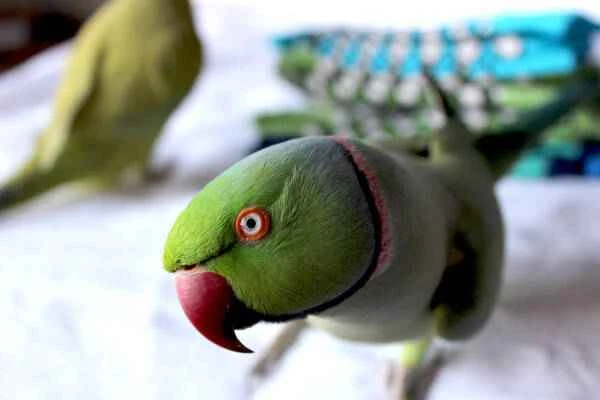
Nighttime is typically a time of rest for most birds, but some prefer to sing beautiful songs after darkness falls. They not only use song to communicate and mark territory, but may also attract mates or maintain bonds with their own kind. Nocturnal singing birds add a unique charm to the night, sparking curiosity about the natural world. Today, we'll take a closer look at some common nocturnal singing birds, exploring their habits, songs, and the reasons behind them.
Table of contents
Nightingale
Oriole
Night Heron
Owls
Woodcock
Egret
Tawny Frogmouth (Australian Nighthawk)
Nighthawk
Cuckoo (Night Cuckoo)
Nightjar
1. Nightingale
The nightingale is a bird renowned for its song, especially during the breeding season when the male attracts females by singing. Their songs are beautiful, melodious, and layered, often uttering soothing tunes at night and dusk. The nightingale's song typically contains a variety of different tones and syllables, creating a truly delightful listening experience.
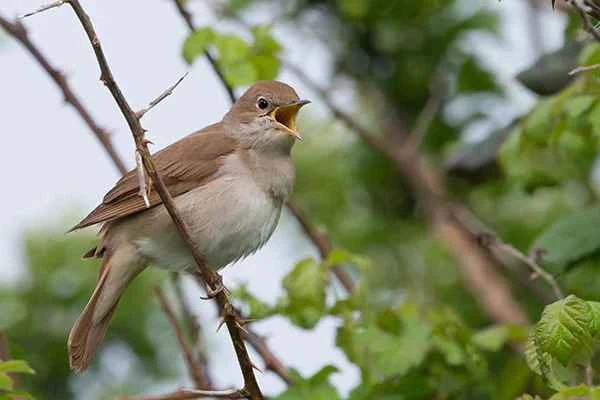
Song characteristics : The male bird has a beautiful song with rich variations in pitch, and it sings frequently at night.
Habitat : Mainly distributed in forests, grasslands and shrublands in Europe, Asia and North Africa.
Habits : Nightingales are usually active at night, especially during the breeding season, and they interact with their mates or other nightingales through singing.
2. Oriole
The oriole is a brightly colored bird that is usually active during the day, but it also sings beautiful songs at dusk or night. The male's song is usually melodious and can travel far at night. The oriole's call is clear and sweet, often attracting nearby females.
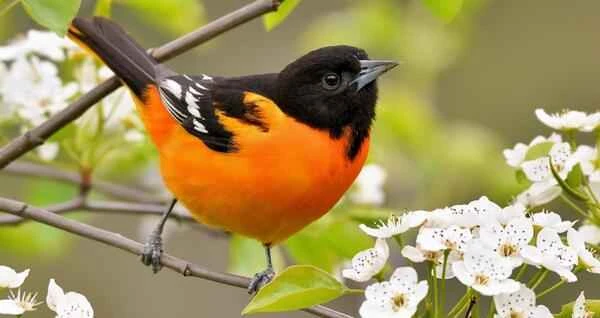
Characteristics of its singing voice : a sweet and clear call with a beautiful melody.
Habitat : Mainly distributed in Europe, Asia, Africa and North America, inhabiting dense forests, orchards or parks.
Habits : Orioles often sing at dusk and night, especially during the breeding season.
3. Owls
Owls are typical nocturnal birds, with nighttime being their peak activity period. Their calls are usually low-pitched and echoing, often used to mark territory or communicate. Owls have extremely keen eyesight and hearing, enabling them to pinpoint prey accurately in the dark. Their calls are not only important tools for their nocturnal activities but also serve to signal their presence and territorial boundaries.
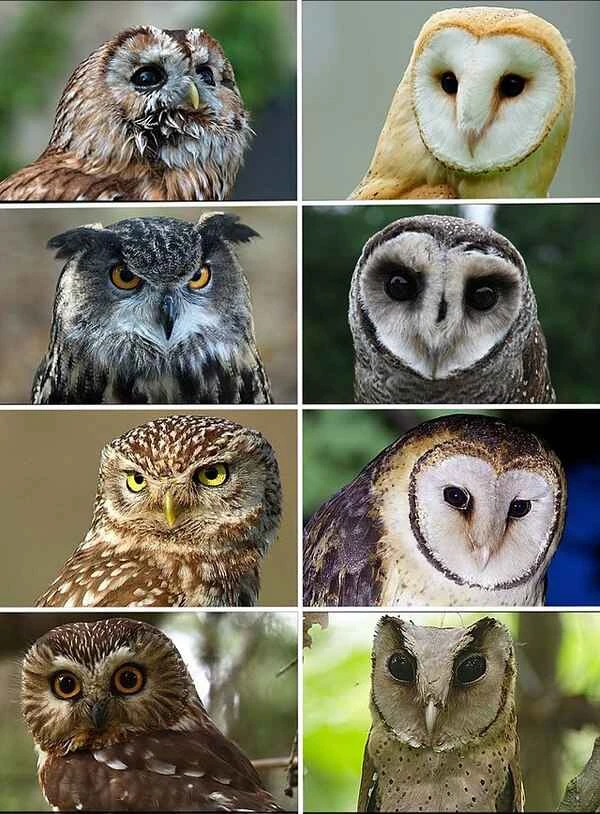
Song characteristics : a deep, resonant call used to mark territory or interact with other members of the same species.
Habitat : Owls are widely distributed around the world, especially in forests, grasslands and mountains.
Habits : Most of them are nocturnal, hunting and active mainly at night.
4. Night Heron
The Black- crowned Night Heron is a typical nocturnal bird, typically foraging and roosting at night. Their calls are low-pitched, sometimes with a hint of lamentation, and are primarily used to communicate with other birds. Black-crowned Night Herons usually inhabit wetlands or near water, resting during the day and foraging at night.
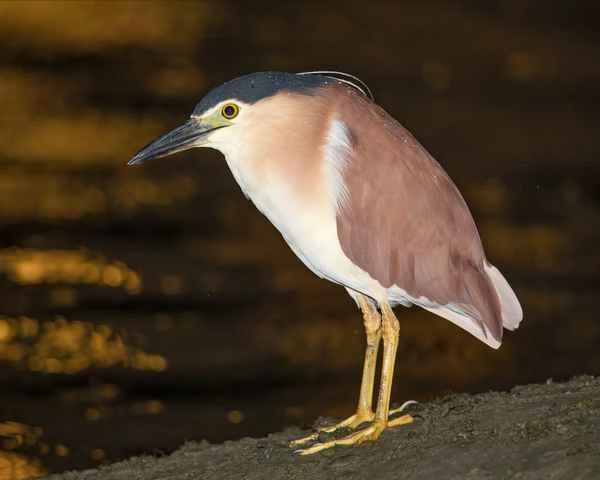
Song characteristics : a low, mournful cry, used to communicate with its kind.
Habitat : It inhabits wetlands, lakes, marshes, and coastal areas.
Habits : Black-crowned night herons are nocturnal birds that forage at night and are usually active at dusk or night.
5. Woodcock
The night thrush is a nocturnal bird, especially during the breeding season, when male night thrushes attract females by flying through the air and making loud calls. The night thrush's call is deep, resonant, and usually lasts for a while.
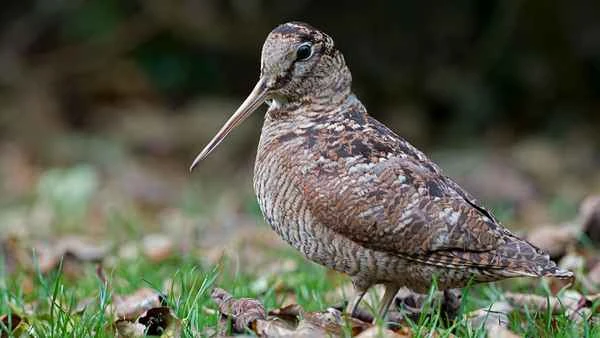
Song characteristics : a deep and rhythmic call, usually made during flight.
Habitat : Mainly distributed in forests or wetlands in Europe and Asia.
Habits : Night crickets are active at night, especially during the breeding season, when the male will make calls to attract the female.
6. Nightjar
Owls are primarily nocturnal birds whose calls are typically soft and mournful. They usually live in grasslands, forests, and scrublands, and at night they emit a low "humming" or "mournful" sound to communicate with their kind or mark their territory.
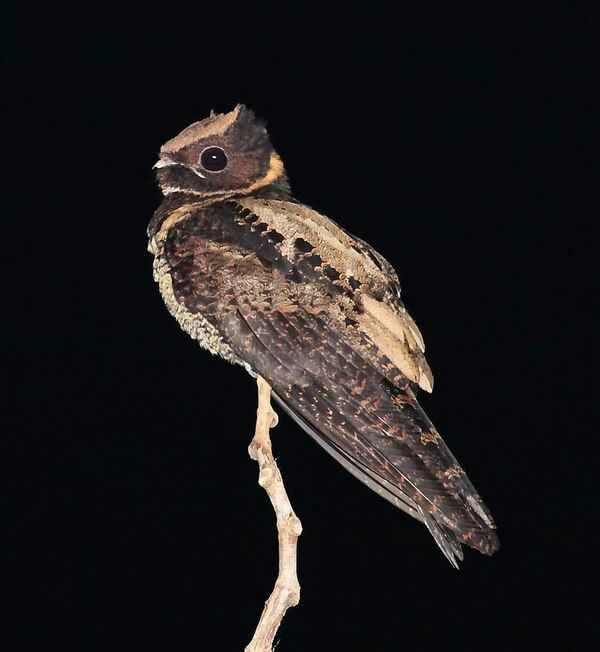
Song characteristics : a soft, mournful call, usually used to mark territory.
Habitat : It inhabits open grasslands, forest edges, and wastelands.
Habits : Nocturnal, primarily interacting with other members of the species through vocalizations.
7. Night Cuckoo
Nocturnal cuckoos are more active during the day, but some species also call at night, especially during the breeding season. Their calls are usually a repetitive "coo-coo" sound, which the male uses to attract the female.
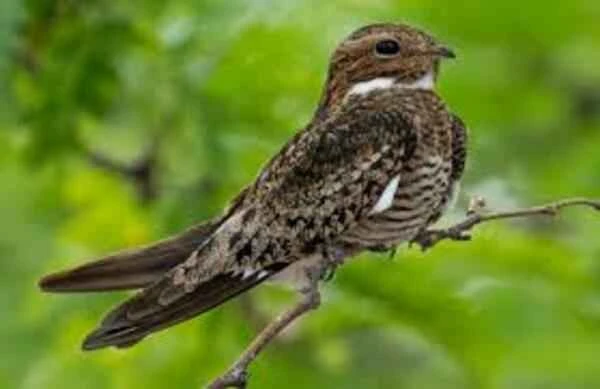
The singing voice is characterized by a repetitive, single "coo-coo" sound.
Habitat : Widely distributed, mainly inhabiting forests, grasslands and farmlands.
Habits : During the breeding season, the male bird attracts a mate by calling out, and occasionally makes sounds at night.
8. Nighthawk
Nightjars are nocturnal birds that communicate with each other by making distinctive chirping or hissing sounds. These sounds, often heard in flight, are highly penetrating and can travel long distances.

The singing voice is characterized by a "chirping" or "hissing" sound, usually accompanied by flight.
Habitat : Distributed in the Americas and the Caribbean, inhabiting open fields and the edges of cities.
Habits : Nightjars are nocturnal birds that fly and forage at dusk and night.
9. Tawny Frogmouth
The Australian nightjar is a nocturnal bird with a deep, hoarse call, often used to communicate with its own kind. Their call sounds like a soft, rhythmic "coo."
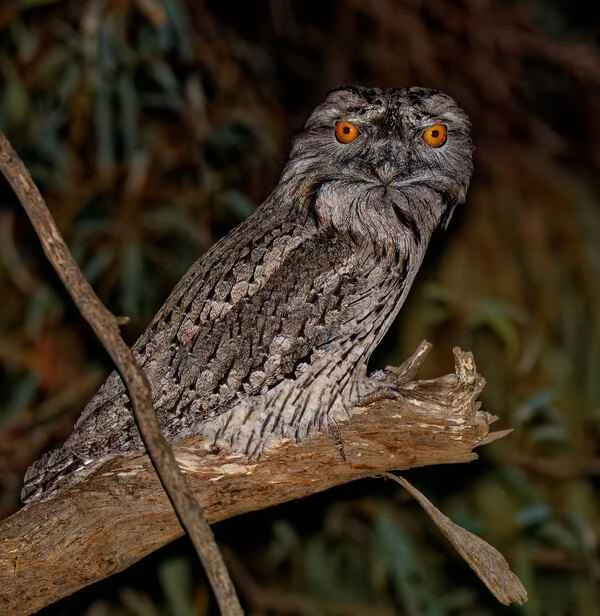
The singing voice is characterized by a low, hoarse "cooing" sound.
Habitat : Mainly distributed in Australia, New Guinea and nearby islands.
Habits : Primarily nocturnal, inhabiting forests and thickets.
10. Egret (nocturnal jellyfish)
Although most egrets are diurnal birds, they sometimes call out at night, especially near their roosts. Their calls are usually sharp and short, used to warn other birds or predators.

Song characteristics : sharp, short calls.
Habitat : Widely distributed in wetlands, rivers and coastal areas.
Habits : Primarily active during the day, but sometimes makes sounds at night.
Summarize
Nocturnal birds are a wondrous part of nature, using their unique calls to communicate, mark territories, attract mates, or engage in other forms of communication. From the melodious song of the nightingale to the deep call of the owl, every bird song is imbued with the rhythm of life. The songs of nocturnal birds not only enrich the tranquility of the night but also fill us with endless imagination about the natural world. If you hear these birds singing on a peaceful night, you will feel the beauty and mystery of nature even more deeply.