Table of contents
introduction
Why are exotic pets suitable for apartment living?
12 exotic pets suitable for apartments
rabbit
ferret
mouse
White mice
hamster
guinea pig
Reptiles
hedgehog
frog
hermit crab
Bird tarantula
Small birds
Lifespan and Care Tips for Various Pets
How to create the ideal environment for exotic pets in an apartment?
Advantages and disadvantages of keeping exotic pets
Frequently Asked Questions
Conclusion
1. Introduction
Do you want a fun, unique, and easy-to-care-for pet for your apartment? Exotic pets might be the answer you're looking for! These miniature companions take up little space and bring endless joy. From playful rabbits to mysterious tarantulas, they are not only unique but also perfectly suited to modern apartment living.
This article will introduce 12 rare and exotic pets suitable for apartment living, along with their care tips and lifespan, to help you find your ideal pet companion!
2. Why are exotic pets suitable for apartment living?
Exotic pets are becoming increasingly popular among apartment residents for several reasons:
Small size : Most exotic pets are small in size, making them ideal for limited spaces.
Simple maintenance : Compared to cats and dogs, they require far less daily care.
Quiet and not noisy : Many exotic pets, such as reptiles or hamsters, hardly make any noise.
Full of fun : These pets' unique behaviors and appearances will keep you entertained for a long time.
3. 12 exotic pets suitable for apartments
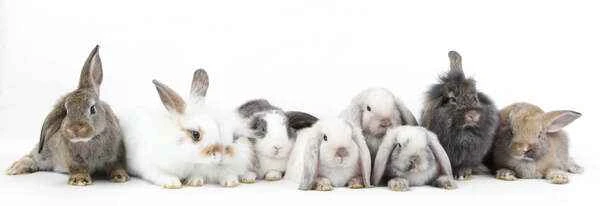
1. Rabbit
Rabbits are smart and cute. They can learn simple commands and use litter boxes, making them perfect for people who want an interactive pet.
Space requirements : A spacious cage and room to move around.
Lifespan : 8-12 years.
Care tips : Provide hay, fresh vegetables, and rabbit pellets, and trim their fur and nails regularly.
2. Ferret
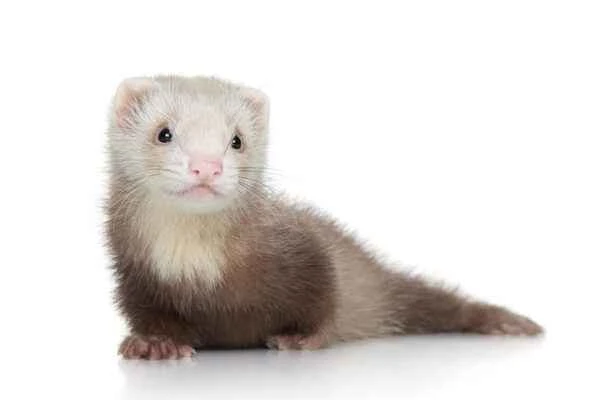
Ferrets are energetic and have strong personalities; they love to explore and need a certain amount of space to roam. If you prefer a pet that involves a lot of interaction, a ferret would be a good fit for you.
Space requirements : multi-level cages, plus a suitable play area.
Lifespan : 6-10 years.
Care tips : Provide high-protein food, play with the cage regularly, and clean the cage.
3. Rats
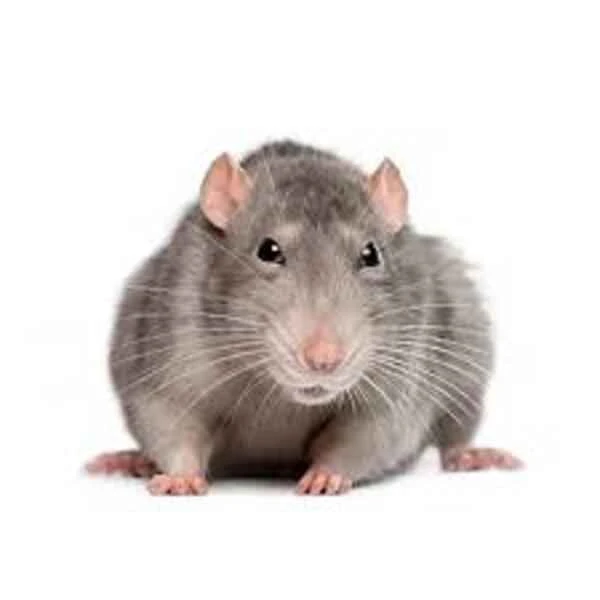
Mice are intelligent and friendly, and can learn simple interaction commands, making them an excellent choice for pets in small spaces.
Space requirement : Medium-sized cage with toys and tunnels.
Lifespan : 2-3 years.
Maintenance tips : Clean the cage regularly and provide vegetables, grains, and special rodent food.
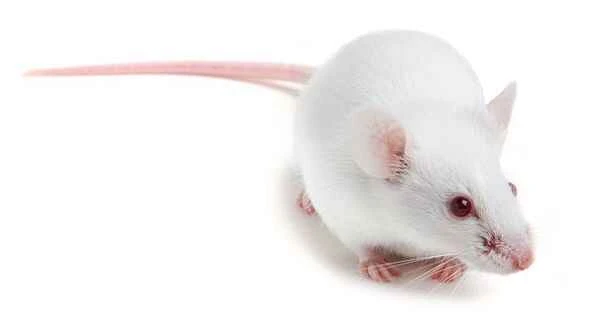
4. White mice
White mice are small in size and highly independent, making them ideal "quiet" pets, suitable for busy people like you.
Space requirements : A small cage with hiding corners and climbing toys.
Lifespan : 1.5-2 years.
Maintenance tips : Keep the cage clean and feed the animal an appropriate amount of grains and vegetables.
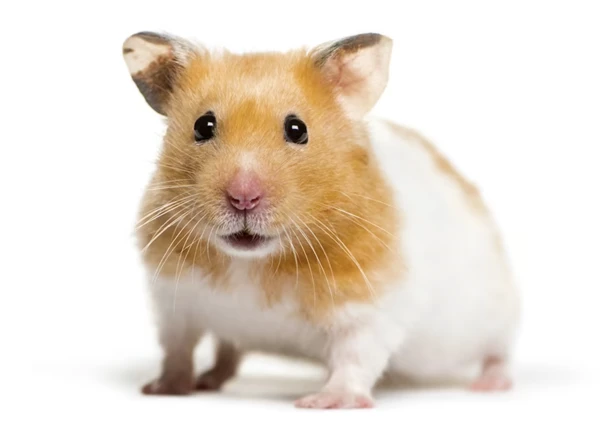
5. Hamster
Hamsters are nocturnal animals, quiet during the day and active at night, making them ideal for working professionals or students.
Space requirement : A small cage with a running wheel and bedding.
Lifespan : 2-3 years.
Care tips : Provide fresh water, hamster food, and occasional treats.
6. Guinea pig
Guinea pigs are gentle, affectionate, and sociable, making them suitable for families or children. It's recommended to keep two together; they'll be happier that way.
Space requirements : A spacious cage and enough space for movement.
Lifespan : 5-7 years.
Care tips : Provide high-fiber hay, fresh vegetables, and special food rich in vitamin C.

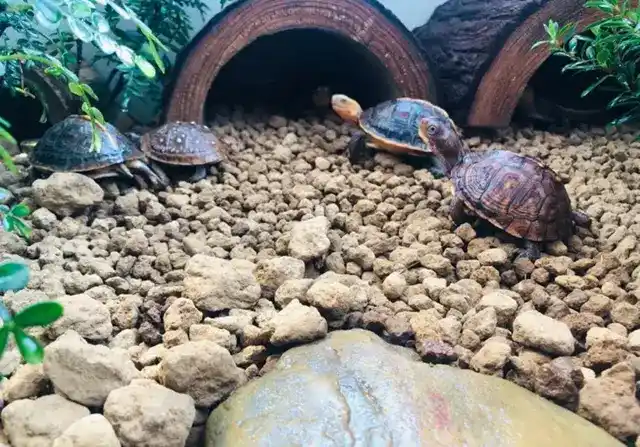
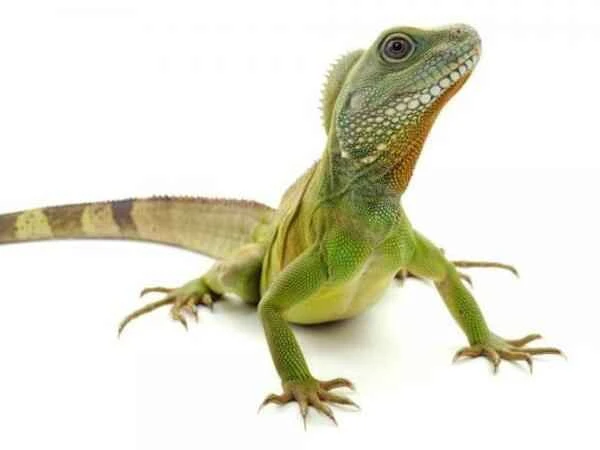
7. Reptiles
Reptiles such as geckos, turtles, or snakes are quiet and low-maintenance, making them suitable for people who enjoy observing pets.
Space requirements : Glass cases suitable for their size.
Lifespan : 10 years or more (lifespan varies depending on the species).
Maintenance tips : Maintain suitable temperature and humidity, and provide insects or plant-based food.
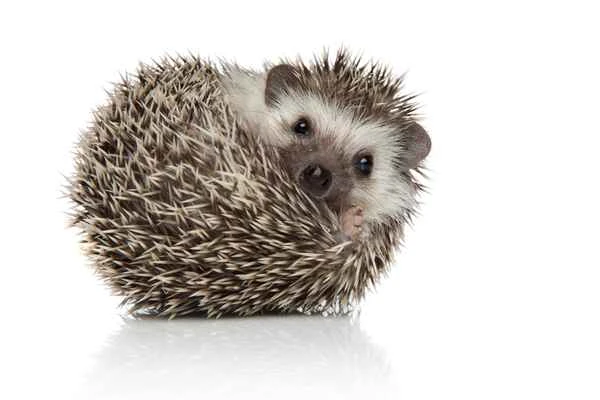
8. Hedgehog
Hedgehogs are quiet and independent, and prefer to be active at night, making them suitable for pet owners who want to observe their unique behaviors.
Space requirement : A spacious cage with hiding places.
Lifespan : 4-6 years.
Maintenance tips : Provide high-protein food and keep the cage clean and hygienic.
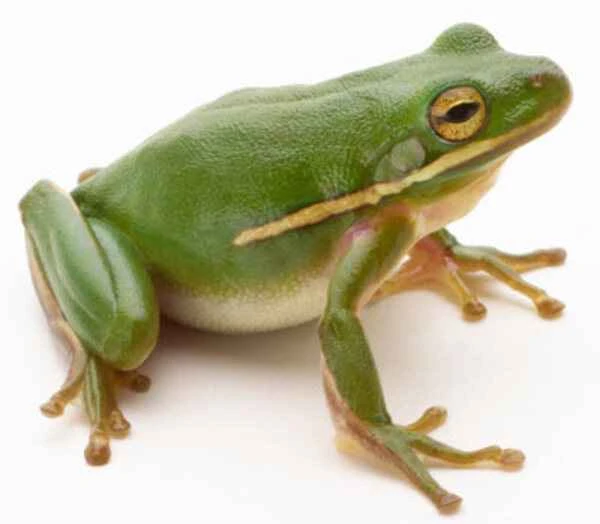
9. Frog
Frogs, such as tree frogs or poison dart frogs, are brightly colored and easy to keep, making them ideal pets.
Space requirement : A small ecosphere with live plants.
Lifespan : 5-15 years (depending on the variety).
Maintenance tips : Keep the tank moist and provide live insect food.
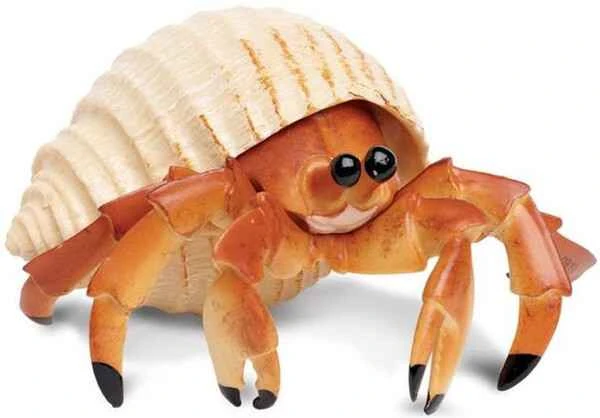
10. Hermit crab
Hermit crabs are unique and easy to care for, making them especially suitable for first-time pet owners.
Space requirements : A small aquarium with sand and climbing structures.
Lifespan : 10-20 years.
Maintenance tips : Provide fresh water, salt water, and spare shells.
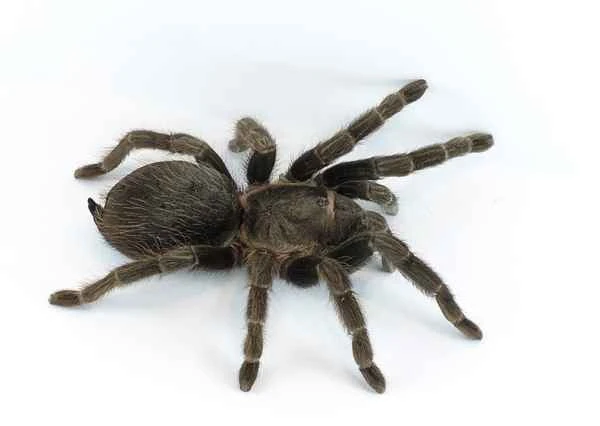
11. Bird-catching spider
Tarantulas are quiet and interesting, large in size yet easy to keep, making them suitable for pet lovers who are not afraid of insects.
Space requirement : A small ecosphere with hiding places.
Lifespan : 5-20 years (lifespan varies greatly among different species).
Maintenance tips : Feed live insects and maintain moderate humidity in the tank.
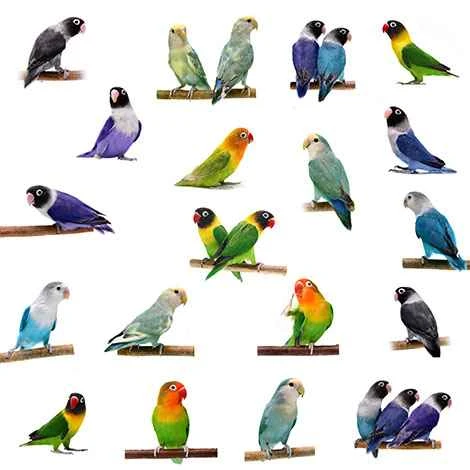
12. Small birds
While parrots or lovebirds require more interaction, their bright colors and lively personalities make them energetic pets.
Space requirement : A birdcage with toys and perches.
Lifespan : 10-20 years.
Care tips : Provide fresh seeds and fruits, and spend time with them every day.
4. Lifespan and Care Guidelines for Various Pets
Each pet has a different lifespan and care requirements, ranging from short-lived white mice to long-lived hermit crabs. You need to choose the right pet based on your lifestyle.
5. How to create the ideal environment for exotic pets in an apartment?
Suitable space : Ensure the cage or terrarium is large enough to allow the pet to move around freely.
Temperature and humidity control : Reptiles and frogs, in particular, have high requirements for their environment.
Quiet and comfortable : Keep away from windows, air conditioners and televisions to avoid excessive noise.
Safety measures : Prevent pets from escaping or being accidentally injured.
6. Advantages and disadvantages of keeping exotic pets
advantage :
Small and cute, perfect for small spaces.
It's easy to maintain and suitable for busy people.
Uniqueness makes life more interesting.
shortcoming :
Some pets require professional care knowledge.
In some regions, laws may restrict the raising of certain breeds.
Finding a specialist veterinarian for rare pets can be difficult.
7. Frequently Asked Questions
1. Are exotic pets suitable for children to keep?
Some exotic pets, such as rabbits and guinea pigs, are suitable for children, while hedgehogs or tarantulas require adult assistance in care.
2. Which exotic pets are the easiest to care for?
Hamsters, hermit crabs, and mice are typical "low-maintenance" pets, making them ideal for beginners.
8. Conclusion
Exotic pets are not only ideal for apartment living, but they can also add fun to your life. Whether it's a quiet hedgehog or a lively ferret, they all deserve your care and attention. Come and choose an adorable pet that matches your style!