Table of contents:
Introduction: Understanding the Coat Colors of Pembroke Corgis
Overview of Pembroke Welsh Corgi breeds
Common Pembroke Corgi coat colors
Tricolor Pembroke Corgi
Red and white Pembroke Corgi
Pale yellow Pembroke Corgi
Black and yellow Pembroke Corgi
Sand-colored Pembroke Corgi
Corgi fur pattern analysis
Corgi coat color inheritance pattern
Does a Corgi's coat color change over time?
Genetics behind Corgi coat color
Corgi coat color dilution and its effects
Coat color standards for Pembroke Corgis in dog shows
How to choose the right Corgi coat color for you
Conclusion: Appreciate the beautiful diversity of Corgi coat colors.
1. Introduction: Understanding the Coat Colors of Pembroke Corgis
When it comes to Pembroke Welsh Corgis, one of the most striking features is their beautiful coat colors. Corgis are beloved for their short legs, long bodies, and expressive faces, and their coat colors also vary greatly. If you're planning to adopt a Corgi, or simply love this breed, understanding the variations in their coat colors will give you a deeper appreciation for this charming breed.
In this guide, we'll explore the different coat colors of Pembroke Corgis, how these colors are passed down through genetics, and how their color and pattern change as they grow. Let's step into the colorful world of Corgi fur!
2. Overview of Pembroke Welsh Corgi Breeds
The Pembroke Welsh Corgi is a small but energetic herding dog native to Wales. Known for their intelligence, loyalty, and alertness, they were originally used for herding sheep, cattle, and horses. Although their popularity has risen rapidly due to their association with Queen Elizabeth II, it is their appearance and temperament that continue to captivate pet lovers worldwide.
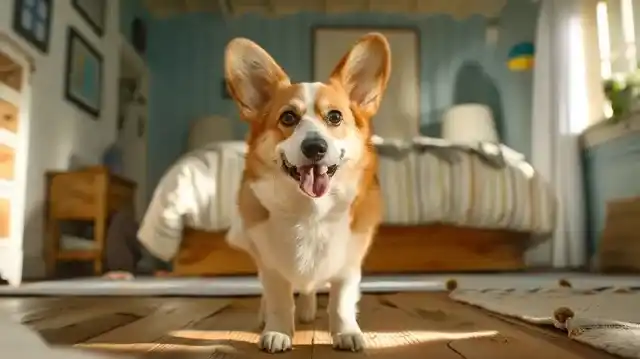
Corgis have a very distinctive appearance—short and sturdy, muscular, with alert eyes and a friendly expression. Their fur is double-layered, with a thick inner layer and a soft outer layer, effectively protecting them from cold weather. However, the wide variety of coat colors available for Corgis, each with its own unique characteristics, is a popular topic of conversation when discussing them.
3. Common Pembroke Corgi coat colors
Pembroke Corgis come in a variety of coat colors, each with its own unique charm. Here are some of the most common colors:
Tricolor Pembroke Corgi
Tricolor Corgis have a relatively rare and visually striking coat color, typically consisting of black, white, and brown. Black usually appears on the back and sides, while brown and white are distributed on the chest, face, and limbs. This color combination is very eye-catching and often captivates Corgi enthusiasts.
Red and white Pembroke Corgi
Red and white Corgis are one of the most common and popular coat colors. Their coat is predominantly a rich red with white markings. The shades of red vary, ranging from deep red to lighter red, while the white markings are usually distributed on the chest, limbs, face, and even the tip of the tail.
Pale yellow Pembroke Corgi
Pale yellow is a common coat color for Corgis, typically exhibiting a golden or reddish hue. Pale yellow Corgis have soft, warm fur, with white markings usually appearing on their chest, limbs, and face. They have a very friendly appearance, giving off a warm and approachable feeling.
Black and yellow Pembroke Corgi
Black and yellow Corgis have predominantly black fur with yellow markings, typically appearing on their face, limbs, and under their tail. This striking black and yellow contrast gives them a very elegant appearance and is one of the more common Corgi coat colors.
Sand-colored Pembroke Corgi
Sand Corgis have fur that is a blend of red, black, and brown, creating a beautiful gradient effect. They typically have a black overcoat on their backs, while their undercoat is lighter, resulting in a soft gradient effect that is visually very unique.
4. Corgi fur pattern analysis
Pembroke Corgis not only vary in coat color, but their coat patterns also differ. The most common pattern is the "saddle" pattern, where the dog's back is typically dark (such as black or red), while the belly is lighter (such as white or fawn). In addition, some Corgis have white markings on their legs, face, and tail; these markings can be symmetrical or mottled, adding more personality and charm.
5. The inheritance pattern of Corgi coat color
Corgi coat color is determined by genes, just like other dog breeds. The main genes determining coat color are the extended gene (E) and the dust gene (A) , which control the base color and color distribution of the hair, respectively. Coat color inheritance follows Mendelian laws, meaning it is passed from parents to offspring through dominant and recessive genes.
For example:
Red Corgis usually come from two red parents.
A tricolor corgi needs one tricolor parent and another parent carrying the tricolor gene.
If you are interested in a particular coat color, understanding the genetics behind it will help you better understand the phenomenon.
6. Does a Corgi's coat color change over time?
Yes, a Corgi's coat color can change over time, especially as the puppy grows. Newborn Corgis typically have a darker coat, which gradually lightens as they grow. For example, a fawn Corgi might be born with a darker coat, which will become lighter with age. This change is most common in fawn and sandy Corgis.
In addition, some Corgis may develop a "silvering" effect as they age, especially on their face and limbs, giving them an elegant aged look.
7. The genetics behind Corgi coat color
A Corgi's coat color is influenced by a variety of genetic factors; several key genes determine coat color, coat pattern, and even the distribution of coat color. Here are some important genes:
Gene B : Determines whether you have black hair.
E gene : determines whether red or black hair will appear.
S gene : controls whether there is a spotted pattern.
The combination of these genes results in the diversity of Corgi coat colors, giving each Corgi a unique appearance.
8. Corgi coat color dilution and its effects
Some Corgis may carry a dilution gene that makes their coat appear lighter, typically appearing as a bluish-gray or light shade. This gene can turn black hair blue-gray or dilute brown hair into a lighter shade.
It is important to note that the coat color dilution gene may lead to some health problems, such as skin issues or vision problems , although these issues are not common in Corgis.
9. Coat color standards for Pembroke Corgis in dog shows.
If you plan to take your Pembroke Corgi to dog shows, it's important to understand the standards for coat color in competitions. The American Kennel Club (AKC) and other kennel clubs typically grade Corgi coat colors. Tricolor Corgis are generally more popular in the standards, while red and white Corgis are highly regarded for their classic appeal. Other colors may receive slightly lower scores in competitions.
10. How to choose the right Corgi coat color for you
There's no right or wrong way to choose the right Corgi coat color; the most important thing is to choose a color you like. You might love the striking contrast of a tricolor Corgi, or prefer the classic look of a red and white Corgi. In any case, every Corgi has its own unique charm.
When choosing a Corgi, in addition to coat color, you should also consider its temperament, health condition, and whether it suits your lifestyle.
11. Conclusion: Appreciate the beautiful diversity of Corgi coat colors.
Pembroke Welsh Corgis come in a wide variety of colors, from classic red and white to rare tricolor combinations, each with its own unique charm. Whether you're choosing a color for your Corgi or simply admiring their beauty, understanding the characteristics of their coats will undoubtedly deepen your love and understanding of this adorable breed.