Birds have their own unique sleeping habits and methods, and they possess flexible physiological adaptability, allowing them to enter a sleep state in various ways under different environments. The following is a detailed introduction to bird sleep:
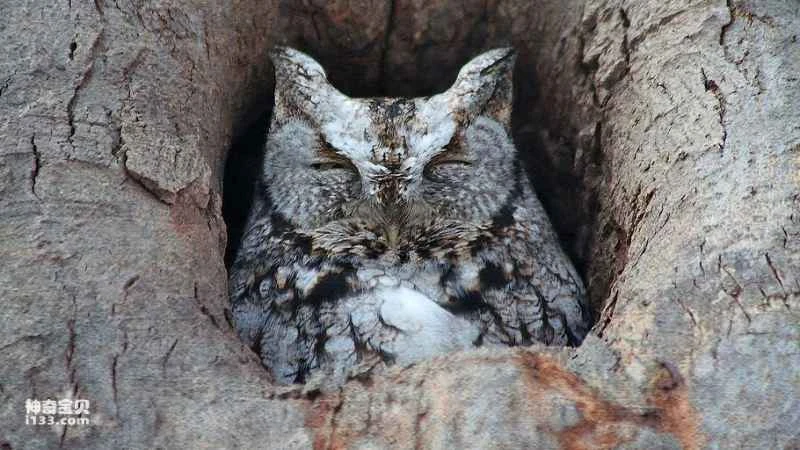
1. Single-eye sleep :
Unilateral sleep :
In most birds, unilateral sleep is a common sleep pattern, where one hemisphere of the brain remains awake while the other sleeps. This allows birds to remain alert while also resting.
Eye position :
Birds' eyes are usually located on the sides of their heads, and this unilateral sleep allows them to remain alert at the same time.
2. Nest sleep :
Safe Nest :
Birds usually find a sense of security in their nests, where they will sleep to protect themselves and their young.
3. Sleeping position :
Sleeping while standing :
Some birds sleep standing on branches or other high places, supporting their bodies with one leg while the other leg is tucked into their feathers.
Sleeping soundly :
Some waterfowl, like ducks, can bury their heads in their back feathers to use their body feathers for warmth and to reduce light interference.
4. Environmental adaptation :
Ambient temperature :
Birds typically adjust their sleeping position according to the ambient temperature to maintain body temperature balance.
5. Rapid Eye Movement (REM) Sleep :
REM sleep :
Research shows that birds also experience a rapid eye movement (REM) sleep stage, a deep sleep that is associated with human dreams.
6. Sleep cycle :
Sleep duration :
Birds' sleep duration and patterns vary by species; some birds require longer periods of continuous sleep, while others can take shorter naps.
In general, although birds have a variety of sleeping habits and methods, they are all able to adapt to their environment and ensure their own rest needs. These unique adaptations allow birds to survive and reproduce in a variety of ecological environments. Sleep is also crucial for the physiological health and behavioral performance of birds, helping them maintain a highly adaptable and alert state.