Fish are a group of animals widely distributed in both freshwater and marine environments. They have diverse dietary habits and typically do not rely solely on fish food. The following is a detailed introduction to the food sources of fish:
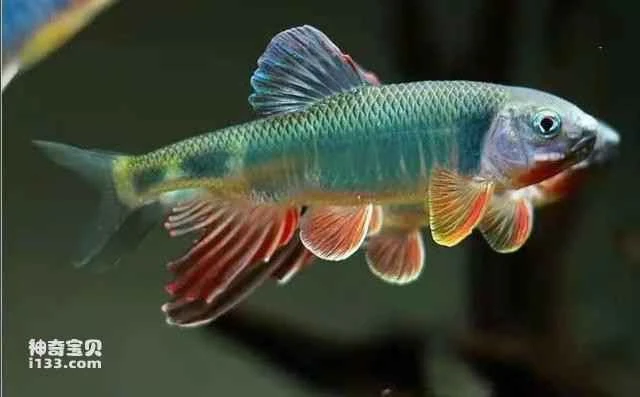
Plankton :
Many types of fish feed on plankton in the water, including zooplankton (such as plankton and phytoplankton), planktonic mollusks, and planktonic invertebrates. These tiny organisms are abundant and diverse in the water, making them one of the main food sources for fish.
Benthic organisms :
Some benthic fish feed on benthic organisms, including benthic invertebrates and benthic plants. They may obtain food by foraging or searching for sediment at the bottom.
Phytoplankton :
Some fish feed on algae or other phytoplankton suspended in the water. These plants are usually rich in nutrients, providing fish with energy and essential nutrients.
Other fish and aquatic animals :
Some carnivorous fish prey on other small fish, shrimp, crabs, and other aquatic animals. These fish typically possess well-developed feeding organs and hunting skills.
Aquatic vegetation :
Aquatic vegetation can also serve as a food source for some fish. Some herbivorous fish will eat the leaves, stems, and roots of aquatic plants.
Artificial feeding :
In aquaculture, fish are typically fed with feed, which usually includes fish food, pelleted feed, and other specialized feeds that provide the fish with the protein, carbohydrates, and other nutrients they need.
Therefore, fish exhibit diverse dietary habits, selecting different food sources based on their species and habitat. Understanding these dietary habits is crucial for both the aquaculture and conservation of these animals.