Hedgehogs are common small mammals, known for their rounded bodies and hard spines covering their backs. They are active at dusk and night, making them typical nocturnal animals. Although hedgehogs are widely distributed across Europe, Asia, and Africa, their dietary behaviors show significant adaptations to different environments. As an animal expert, this article will delve into the diet of hedgehogs from both wild and domesticated perspectives, exploring how to scientifically feed them to maintain their health.
I. Basic Diet of Hedgehogs: Omnivorous with a preference for meat
1.1 A natural "insect-eating expert"
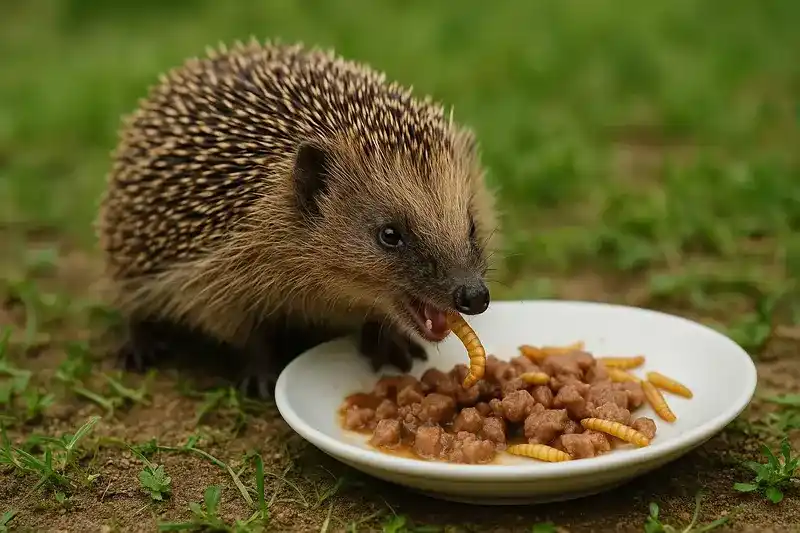
Hedgehogs are omnivorous animals that primarily feed on insects, but they especially love terrestrial invertebrates.
The insects they like to eat include: beetles, caterpillars, crickets, ants, snails, earthworms, etc.
They have a keen sense of smell and hearing, enabling them to pinpoint prey in the dark.
1.2 Also eat plant-based foods
Eat fallen fruit (such as apples and berries).
Chewing tender leaves and seeds of plants
They might even try mushrooms or fungi.
1.3 Preying on small vertebrates
When resources are plentiful, hedgehogs will also hunt:
Frogs, lizards
bird eggs
Young birds or small rodents
II. Dietary Structure of Wild Hedgehogs
2.1 Significant seasonal influence
Spring and summer: Insects are most abundant, and protein intake is dominant.
Autumn: Increase your intake of fruits and nuts to build up fat reserves for hibernation.
Winter (in some areas): If they enter hibernation, they will not eat.
2.2 Environmental Impacts on Food Diversity
Hedgehogs have the richest food sources in woodlands, grasslands, and the edges of farmland.
In cities, they might rummage through garbage or eat pet food.
III. What should artificially raised hedgehogs eat?
3.1 Commercial hedgehog food (recommended)
Specially designed for hedgehogs, this product offers balanced nutrition with 20%-30% protein.
Can be fed as a staple food for a long time
3.2 Insects (live or freeze-dried)
Mealworms, crickets, and earthworms are good sources of animal protein.
Pay attention to regularly rotating insect species to avoid nutritional imbalances.
3.3 Vegetables and fruits (appropriate amount)
Apples, bananas, blueberries, broccoli, carrots, etc. can all be fed in small amounts.
Avoid feeding hedgehogs foods that are toxic, such as grapes, onions, and avocados.
3.4 Animal protein supplementation
Boiled chicken and cooked egg whites can be served occasionally.
Do not feed them fried, spicy, or seasoned foods.
3.5 Water Source Management
Use a low-center-of-gravity, stable drinking saucer
Ball-type water dispensers are not recommended as they can easily cause water shortages.
IV. Dietary Precautions
4.1 Control weight
Hedgehogs are prone to obesity, and being overweight can affect their activity level and lifespan.
Daily food intake should be controlled at 5%-10% of body weight.
4.2 Balanced nutrition
The ideal combination is staple food + insects + a small amount of fruits and vegetables.
Avoid long-term monotonous diets that lead to micronutrient deficiencies
4.3 Prevention of food allergies and poisoning
When introducing a new food for the first time, try a small amount and observe the reaction.
Do not feed them cat or dog food (too high in sodium) or milk (too lactose intolerant).
V. Dietary Regulation During Special Physiological Stages
5.1 Baby hedgehogs (after weaning)
The main food can be special baby hedgehog food or high-protein wet food.
Drinking water and stable temperature are especially crucial.
5.2 Female hedgehogs during pregnancy and lactation
High-protein, high-fat foods are needed to support fetal development and lactation.
The proportion of insects should be increased.
5.3 Old Hedgehog
Dental problems may occur; it is recommended to provide soft or soaked food.
Pay attention to supplementing vitamins and calcium.
VI. Conclusion: Scientific feeding protects the health of hedgehogs
Although hedgehogs are small, their diet needs to be diverse and balanced. Whether wild or domesticated, understanding their natural diet and nutritional needs is our responsibility as their caretakers.
A balanced diet of staple foods, insects, and fruits and vegetables, avoiding forbidden foods, and monitoring weight changes and health status are essential to ensure that this "nocturnal insect hunter" lives a healthy, happy, and long life.