The methods for feeding lizards vary depending on the species and size of the lizard. Here are some basic guidelines for lizard care:
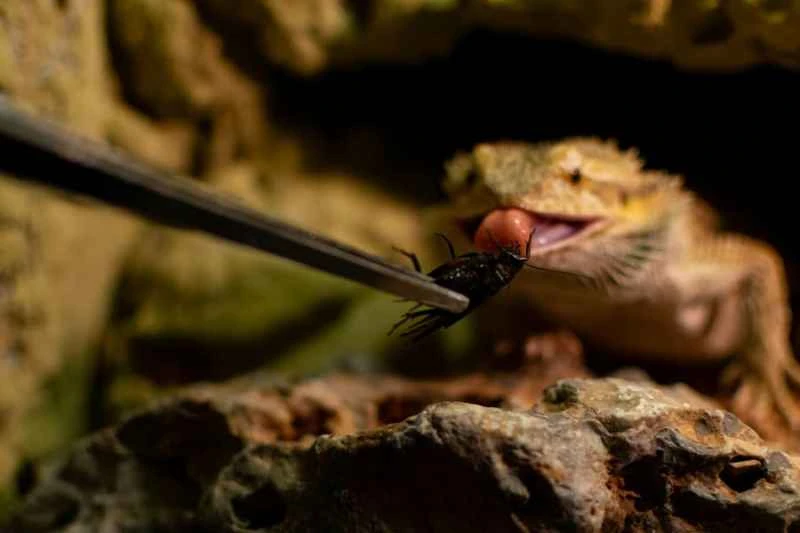
Food choices: Lizards are omnivorous, and their diet includes insects, reptiles, small mammals, and fruits. Depending on the species of lizard you are keeping, understand their dietary preferences and needs, and provide them accordingly. Common lizard foods include small crickets, silkworm pupae, small grasshoppers, small eels, and insect larvae.
Food size and quantity: To prevent lizards from swallowing food that is too large or too small, choose food that is the right size for their mouths. The food should be about one-third the width of the lizard's head. Also, control the amount of food given to avoid overfeeding.
Dietary diversity: Try to diversify the lizard's diet by providing different types and varieties of food to ensure they receive balanced nutrition. You can rotate different insects or other foods, and also supplement their diet with some fruits or vegetables.
Nutritional Supplements: Some lizard species may require additional nutritional supplements, such as calcium and vitamin D3. These nutrients are crucial for the lizard's bone health. You can consult a pet store or veterinarian about suitable supplements for your lizard.
Pay attention to food freshness: Ensure lizards are provided with fresh food and avoid feeding them dead insects. Lizards generally prefer live prey, and fresh food is more nutritious.
Provide drinking water: Lizards need an adequate amount of water to stay hydrated. Provide a shallow water bowl or sprayer so the lizard can drink or get moisture from the mist. Ensure the water source is clean and changed daily.
Observation and Adaptation: Closely observe your lizard's appetite and behavior. Each lizard's needs may vary, so adjust the type and amount of food accordingly based on your observations.
Please note that the above are just some basic guidelines for lizard care. Different species of lizards may have different care requirements, so it is best to learn about the specific needs of the lizard species you are interested in before choosing and keeping one, and to refer to relevant care guidelines and expert advice.