Cats, as beloved animals, are not only one of the most common pets for humans, but also an indispensable part of the ecosystem. They are elegant, mysterious, and possess both agile movements and adorable personalities. Today, we'll discuss this amazing species from multiple perspectives.
Scientific classification
Kingdom: Animalia
Phylum: Chordata
Class: Mammalia
Order: Carnivora
Family: Felidae
Genus: Felis
Species: Domestic cat (Felis catus)
Felines have a very long history on Earth, encompassing a wide variety of wild and domesticated species. Domestic cats, as members of the genus *Felis*, have a relationship with humans dating back thousands of years.
1. The Species History of Cats
The domestication of cats dates back approximately 4,000 years. The earliest domesticated cats may have originated from African wildcats, which the ancient Egyptians considered sacred animals and used to catch mice in their granaries. With the development of agriculture, cats were gradually introduced to various parts of the world and became a part of human life.
In the Middle Ages, cats were misunderstood because they were associated with mysterious legends, but in modern society, cats have once again become beloved pets, and there is even a rise in "cat-loving culture".
2. Physical characteristics of cats
Appearance
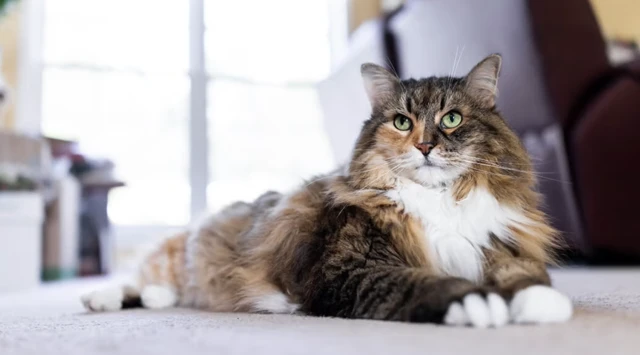
Cats have an elegant and graceful appearance, with typical features including pointed ears, a long tail, and fine fur. Their eyes change shape depending on the light, from vertical pupils to fully enlarged circles, allowing them to see clearly even in the dark.
Cats come in a wide variety of colors, from solid colors to patterns like tabby, gradient, and even special breeds like the Siamese with its "pointed" coloring.
Size and weight
Domestic cats are typically 20-25 cm tall, about 46 cm long (excluding the tail), and weigh between 3-6 kg. Some special breeds, such as the Maine Coon, can grow to over 10 kg.
life
The average lifespan of a cat is between 12 and 18 years, and some breeds can live to be over 20 years old if they receive good care. For example, the oldest cat in the Guinness World Records, "Creme Puff," lived to be 38 years old.
3. Cat's habitat
Cats are highly adaptable and can be found in both bustling cities and rural farmhouses. As small predators, cats in the wild typically inhabit well-hidden places such as bushes, forests, and caves. Domestic cats, on the other hand, enjoy staying on windowsills, sofas, and soft beds, basking in the pampering of their owners.
Even domestic cats retain many of their ancestors' habits, such as liking high places and small spaces, which makes them feel safe.
4. Cat's Living Habits
Active time
Cats are typically nocturnal animals, but domestic cats adjust their sleep patterns after living with humans, becoming more inclined to spend time with their owners during the day. Even so, cats are still most active in the early morning and evening.
hunting instinct
Cats are natural-born hunters, especially adept at waiting for prey to approach before swiftly pouncing. Some domestic cats, even those that don't need to hunt for survival, will still chase insects or small toys, demonstrating a strong hunting instinct.
Cleaning habits
Cats are extremely clean animals; they groom themselves daily with their tongues to keep themselves clean. This behavior also helps them remove parasites and stimulates blood circulation.
5. Distribution range of cats
Cats are found almost everywhere in the world. From the ancient streets of Europe to the rainforests of Asia and the rural farms of the Americas, cats can be found. Domestic cats have even migrated with humans to many remote islands, becoming part of the ecosystems of these regions.
Wildcat species are mostly distributed in Africa, Asia, and the Middle East, with common species including the African wildcat and the desert cat.
6. Cat reproduction methods
Cats are highly prolific breeders. Female cats reach sexual maturity at 6-8 months of age, while males reach it a little later. Female cats can go into heat several times a year, with each heat cycle lasting 3-7 days.
After mating, a cat's gestation period is 63-65 days, and a litter typically contains 2-6 kittens. Newborn kittens have their eyes closed, opening them after about 10 days and beginning to interact with the outside world.
7. Cat species classification
There are many breeds of cats, from short-haired to long-haired, from the petite Oriental Shorthair to the large Maine Coon, each with its own unique characteristics. Below is a classification table of some common breeds:
| Variety Name | Hair type | Main features | place of origin |
|---|---|---|---|
| Siamese cat | short hair | Blue eyes, accent colors | Thailand |
| Persian cat | Long hair | Round face, soft fur | Iran |
| Maine Coon | Long hair | Large size, strong | Maine, USA |
| Scottish Fold cat | short hair | Ears naturally fold forward | Scotland |
| British Shorthair cat | short hair | Round face, various fur colors | U.K. |
8. How to care for a cat's health and diet
A cat's health and diet are key to ensuring their happy life. Here are some core recommendations:
1. Health care
Regular check-ups : Take your cat to the vet for a full check-up at least once a year, and ensure timely vaccinations and regular deworming.
Parasite prevention : Ensure regular use of preventative medications for fleas, ticks, and heartworms, especially for cats that are frequently outdoors.
Dental care : Brush your cat's teeth or provide dental toys and treats to prevent periodontal disease.
Routine observation : Pay attention to your cat's appetite, behavior, and excretion. If you notice any abnormalities, such as vomiting, diarrhea, or lethargy, seek veterinary care promptly.
Keep the cat clean : Brush its fur regularly, clean its ears, trim its nails, and provide a clean litter box.
2. Dietary Management
Choose high-quality cat food : High-quality cat food can meet the nutritional needs of cats. Try to choose brands that are grain-free or have high protein content.
Control food intake : To prevent cats from becoming obese, adjust the amount of food appropriately according to the cat's size and activity level.
Provide fresh water : Make sure your cat has access to clean water at all times. It's best to use a cat water fountain to encourage them to drink more water.
Occasionally reward with treats : You can provide cat-specific treats as rewards in moderation, but not too many, so as not to affect the cat's appetite for regular meals.
Avoid dangerous foods : Chocolate, onions, garlic, grapes, etc. are toxic to cats and should never be fed to them.
9. Basic Techniques and Methods of Cat Training
Although cats may appear independent, they are trainable. Training not only cultivates good habits in cats but also strengthens the bond between them and their owners. Here are some basic training techniques:
1. Basic Training Principles
Positive reinforcement : Reward your cat for correct behavior with treats, petting, or toys to create a positive association.
Be patient : Cats may learn slowly, so never force or punish them.
Simplify instructions : Use simple language or gestures, such as "sit down" or "come here," and maintain consistency.
Control training time : Each training session should not exceed 5-10 minutes to avoid boring the cat.
2. Common Training Techniques
Use a litter box :
Cats arriving at their new homes need to be guided to use the litter box. Place the cat in the litter box, gently scratch it a few times with its paws, simulating its natural burying behavior.
Clean the litter box regularly to keep it clean and prevent your cat from refusing to use it due to a dirty environment.
Training a cat not to scratch furniture :
Provide specialized scratching posts or cat trees to attract them to scratch with their claws.
When your cat scratches the furniture, say "no" in a gentle but firm tone and guide it to the scratching post, then reward it.
Learn to call by name :
Repeatedly call your cat's name while feeding or playing with it, so that they associate their name with pleasant things.
Reward your cat as soon as it responds to your call.
Training with traction ropes :
If you want to take your cat out, you can start by having it wear a cat-specific harness from a young age and practice leash training at home to gradually get it used to outdoor activities.
3. Correcting undesirable behaviors
Jump onto the table or counter :
When your cat jumps onto the table, gently pick it up and say "no." You can also cover the table with items that cats dislike, such as aluminum foil or orange peels, to reduce their interest.
Biting or scratching :
If your cat bites or scratches while playing, stop the interaction immediately and distract it with a toy to make it understand that this behavior will not bring any benefit.
With scientific health management and appropriate training, cats can not only develop good living habits, but also build a closer relationship with their owners, becoming a warm companion in your life!
10. Protection Level
Many wild species of felines, such as snow leopards and cheetahs, face endangerment due to habitat loss and illegal hunting. Domestic cats, while not endangered and with a large overall population, also pose a significant threat to the ecosystem. For example, feral domestic cats pose a threat to birds and other small animals.
In some countries and regions, domestic cats need to be registered and spayed/neutered to prevent their numbers from growing excessively or having a negative impact on wildlife.
Cats, these ubiquitous animals in our lives, are not only members of the family but also an important part of human history, culture, and ecology. Whether as pets or in nature, cats bring us endless surprises and joy with their elegance and mystery.
11. The 10 Most Common and Popular Cat Breeds
Below is an introduction to the ten most common and popular cat breeds , categorized by breed, characteristics, coat type, and suitable population:
| Ranking | Variety Name | Main features | Hair type | Suitable for |
|---|---|---|---|---|
| 1 | British Shorthair cat | Round face, sturdy body, gentle personality | short hair | Prefer a quiet family |
| 2 | Persian cat | Round face, flat nose, long, soft fur, gentle | Long hair | A patient person who can groom their pet regularly |
| 3 | Siamese cat | Blue eyes, accented colors, lively and active | short hair | People who enjoy interaction and are energetic |
| 4 | Maine Coon | Large size, gentle giant, highly adaptable | Long hair | People who need to accompany large pets |
| 5 | Scottish Fold cat | Ears fold forward, cute appearance, docile | short hair | Families who like cute appearances |
| 6 | American Shorthair cat | Robust, independent, and easy to care for | short hair | Suitable for busy families |
| 7 | Ragdoll cat | Blue eyes, large size, very clingy | Long hair | Families who need a gentle companion cat |
| 8 | Exotic Shorthair | A short-haired version of the Persian cat, incredibly cute. | short hair | People who like Persian cats but dislike the hassle |
| 9 | Sphynx cat | Hairless, warm and friendly, not afraid of the cold | hairless | People allergic to cat hair |
| 10 | Scottish cat | Round face, erect or folded ears, friendly | short hair | Suitable for families with children |
Brief description
British Shorthair cats : Calm and composed, suitable for busy families. They are not overly clingy, but are very loyal.
Persian cats : noble and elegant, requiring meticulous grooming, but rewarded with endless gentleness and companionship.
Siamese cats : intelligent and active, they enjoy interacting with people and are suitable for owners who love interaction.
Maine Coon : Known as the "gentle giant," it has a friendly personality and is an ideal choice for lovers of large cats.
Scottish Fold cats : They become internet celebrities because of their unique ears and cute appearance, but you need to be aware of the possibility of genetic diseases.
American Shorthair : Healthy and strong, extremely independent, suitable for families that do not require frequent companionship.
Ragdoll cats : Known for their affection and love of being held, they are one of the most suitable cat breeds for family companionship.
Exotic Shorthair : An easy-to-care-for Persian cat alternative, with a lively personality and adorable appearance.
Sphynx cats : They are unique because they are hairless, but they need to pay attention to skin care and keeping warm.
Scottish cats : Their round bodies and affectionate nature make them beloved little angels for the whole family.
These cat breeds each have their own unique characteristics. The best match is to choose the cat that best suits your lifestyle and preferences!