Entropion is an eyelid disease that can affect dogs, cats, and humans. It is a potentially painful condition that can cause serious damage to the surface of the eye if left untreated. Fortunately, there are treatments available for entropion in dogs.
What is entropion?
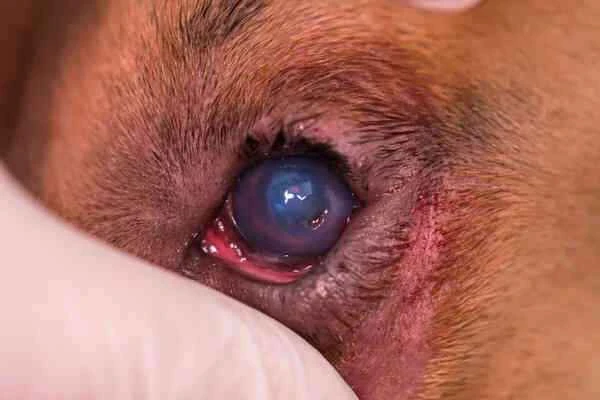
Entropion in dogs is an eye condition that causes the eyelids to turn inward. This causes the eyelashes and other hairs around the eye to rub against the cornea (the surface of the eyeball), leading to irritation. Entropion can affect both the upper and lower eyelids and may occur in one or both eyes.
Symptoms of entropion in dogs
Most cases of inversion occur in dogs under one year old, but it can happen to dogs of any age. If left untreated, the eye condition can worsen rapidly. If your dog shows any abnormalities in its eyes, you should contact your veterinarian immediately.
symptom
Squinting
Excessive tearing
Eye discharge
Swelling around the eyes
Rubbing eyes
Red eyes/conjunctivitis
Excessive blinking
corneal ulcer
Dogs with entropion and corneal ulcers
Squinting
Dogs will squint their eyes in an attempt to keep their fur away from their cornea.
Excessive tearing
Tearing is more likely due to watery discharge (not tears) from a dog's eyes caused by irritation. Draining can cause the fur around a dog's eyes to become matted.
Eye discharge
Many larger breeds develop discharge at the outer corner of their eyes, indicating a possible entropion (inward turning of the eyelid). However, besides entropion, discharge can also indicate another eye problem. The discharge may be thick and greenish.
Swelling around the eyes
Swelling of the eyes indicates that the cornea may be damaged due to entropion.
Rubbing eyes
Dogs with entropion will feel discomfort and try to rub their eyes to relieve it. Movement around the eyes can cause swelling.
Red eyes/conjunctivitis
Hair rubbing against the cornea can develop into non-infectious conjunctivitis.
Excessive blinking
Dogs with entropion may develop a habit of excessive blinking, also known as blepharospasm. This is an involuntary reaction when the eye is irritated or in pain.
corneal ulcer
Friction from hair can cause itching or pain in the eyes. It can also cause irritation, leading to corneal ulcers. Once a corneal ulcer develops, it can worsen if entropion (inward turning of the eyelid) is not treated promptly. This can leave scars on the cornea, affecting vision. It can also develop into a more serious corneal ulcer, permanently damaging the eye. You may see the cornea become cloudy and have a white or blue tinge.
What causes entropion in dogs?
Entropy is considered to be hereditary. Entropion can occur in any dog, but certain brachynose, giant breeds, and sporting breeds may be more prone to it. Brachynose breeds (such as bulldogs) have greater tension in their ocular ligaments, which can lead to entropion. Conversely, large and sporting breeds may have excessively loose ocular ligaments, causing entropion. However, in other breeds, skull shape, facial folds, and prominent eyes can contribute to entropion.
The following varieties are more prone to this situation:
Bullmastiff
Bulldog
King Charles the Knight
Chesapeake Bay Hound
Great Dane
Pug
Shar Pei
Saint Bernard
Entropion can also be secondary to other eye diseases, trauma, or neurological disorders. In some cases, another eye disease may cause temporary entropion. If this is the case, treating the primary eye disease can also effectively treat the entropion.
How do veterinarians diagnose entropion in dogs?
The earlier a veterinarian diagnoses entropion, the less damage will be done to the cornea. Entropion can usually be diagnosed through an ophthalmological examination.
Next, your veterinarian will need to check your dog for corneal damage, and if so, your pet will require additional treatment. To determine this, your veterinarian will perform a fluorescein staining test on the dog's eyes to look for corneal damage.
A sterile strip coated with a diluent (such as saline) and a safe fluorescent dye is placed into the dog's eye. Your veterinarian will ensure that the test strip does not come into direct contact with the cornea.
The dog's eyes will be rinsed to remove excess dirt.
Special lights will be used to check for any stains on the cornea.
Stains indicate the presence of ulcers or abrasions.
How to treat entropion (eyelid turning inward)
Treatment will depend on the severity of the condition. Your veterinarian will determine the extent of the entropion and whether the cornea is damaged.
drug
Topical antibiotic ointment may be recommended to prevent infection and lubricate the eyes. This condition may or may not progress, so it's important to use the medication as directed, see a veterinarian for advice on follow-up, and contact them at the first sign of any changes in the eyes.
sutures
For puppies with entropion, the eyelids can be temporarily sutured together. The sutures can be removed as the puppy grows. However, in some dogs, the head may grow and change shape enough to cause the entropion to become mild or completely disappear.
surgery
If entropion is severe enough to cause corneal damage, surgery may be necessary. 1. Adult dogs with entropion may require surgery to permanently reshape the eyelid so it no longer rolls inward. This procedure is called blepharoplasty. It is a plastic surgery procedure that involves removing excess eyelid tissue and suturing the eyelid to a more favorable position to achieve normal eyelid function. 2. Blepharoplasty can be performed by a board-certified veterinary ophthalmologist or an experienced veterinarian.
Prognosis of dogs with entropion
After surgery, your veterinarian will take your dog home with an electronic collar to prevent rubbing or scratching its eyes. Topical and/or oral medications may also be needed to control pain, reduce inflammation, and prevent infection.
Please be sure to follow your veterinarian's advice regarding treatment and follow-up examinations. Your veterinarian will regularly examine your dog's eyes to monitor your pet's recovery and ensure eye health.
How to prevent entropion (eyelid turning inward)
While preventing entropion can be difficult, it can be detected early. Your veterinarian may notice early signs of entropion during a routine health check, so it's important to take your dog to the vet once or twice a year.