Yes, cats need exercise too. Just like humans, a sedentary lifestyle can negatively impact their physical and mental health. But how much exercise your cat truly needs depends on your cat's specific circumstances. Here are the reasons why cats need exercise and how to provide the necessary resources.
How much exercise does a cat need each day?
Cats typically need about 30 minutes of exercise per day to stay healthy and happy. However, this can vary depending on the cat's age, breed, lifestyle, and personality. Some cats may be content with short bursts of activity, while others may require more vigorous playtime or a structured exercise program.
All cats sleep a lot, but kittens typically nap for about 18 to 22 hours a day, and they tend to be active while awake. Most kittens are energetic and need an hour or more of exercise daily. The good news is that your kitten will likely get enough exercise by playing with enough toys to meet her needs, provided you provide sufficient toys and play.
In the wild, cats naturally get exercise through hunting and playing (which is essentially hunting practice). Therefore, outdoor cats typically get more exercise than indoor cats. However, even if your home has limited space, your indoor cat can still get the exercise she needs through a rich and varied environment.
The importance of exercise for cats
Regular exercise is an important part of a cat's healthy lifestyle, helping to maintain their physical and mental well-being and promoting overall health. Encouraging exercise and play also helps prevent behavioral problems such as destructive chewing and scratching.
Cats spend a lot of time sleeping, wandering around, and grooming, and often have brief bursts of energy during the day and night. Provide your cat with opportunities for physical exercise and mental stimulation through toys, scratching posts, and playtime with people.
Health benefits
Regular exercise helps cats burn calories and maintain a healthy weight. This helps prevent obesity and reduces the risk of related health problems such as diabetes and arthritis. Additionally, exercise helps maintain and strengthen a cat's muscle tone and strength. This is especially important for older cats, who may be more prone to muscle loss and weakness.
Mental benefits
Exercise provides cats with mental stimulation, helping to prevent boredom, anxiety, and depression, which can lead to destructive behaviors and other behavioral problems. Playing with interactive toys or games helps cats stay mentally sharp and engaged. Regular play and activity help reduce stress and anxiety, prevent behavioral problems, and encourage social interaction with humans and other pets.
5 Simple Exercise Methods for Cats
Finding the best exercise options for your cat starts with understanding what your cat likes. Some cats spend time playing independently, while others are more likely to play when initiated by humans. Cats tend to be most active at dusk and dawn, making these great times to play with your kitten.
Try these ideas at home to encourage your cat to exercise:
Interactive cat toys
Interactive cat toys, such as food puzzles and battery-powered toys, allow your cat to play without human supervision. Some cats will pat around small toys like catnip mice or balls, but others will lose interest if they can't interact with the toy. Some interactive toys dispense food or have compartments to hide treats, which is very useful for food-driven cats. If your kitten needs to lose weight, use veterinarian-approved low-calorie treats with these toys, or consider using them during mealtimes! Making your cat work for food is a great way to help them lose weight and boost their energy.
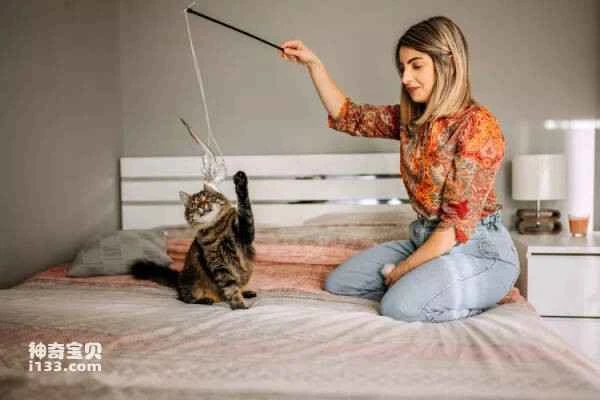
Magic Wand Toy
Magic wand toys are used by humans to play with cats. Many cats go wild when a human takes out a bird or a fluff wand from the stick. A key feature of this game is that it can strengthen the bond between you and your cat.
Cat Tree
Cat trees provide cats with a safe, outdoor adventure experience indoors. They can climb, scratch, rest, and stretch for hours. It's also a great way for multiple cats to socialize.
Hand grip
Scratching posts and mats give cats the opportunity to stretch, maintain healthy nails, and exercise their claws. While it may not seem like exercise to us, using a scratching post is a bit like feline yoga.
Exercise Wheel
An exercise wheel looks a bit like a giant hamster wheel. If your cat loves to run and you have enough space, an exercise wheel can enrich your life. For your cat's safety, be sure to purchase one from a reputable company.
If everyone gets along well, other pets in the household can also be suitable playmates for your cat. However, playmates cannot replace a rich environment and time spent with people. No matter how many pets you have, each pet needs individual care and toys and equipment suited to its personality.
Frequently Asked Questions- Do indoor cats need to be walked every day?
Cats can certainly benefit from daily walks, but not all cats need to. If your cat is trained to use a leash and harness, then a daily walk is an excellent way to provide exercise and mental stimulation.
- How do I know if my cat is getting enough exercise?
Cats that lack adequate exercise and nutrition may develop behavioral problems, including destructive chewing or scratching and urinating outside the litter box. They may also gain weight or lose muscle mass. Exercise requirements vary from cat to cat, so consult your veterinarian to understand your individual cat's needs.
- What if my cat doesn't want to play?
Some cats simply don't play often, and that's okay. You might want to try a few different types of toys and games to see if your cat enjoys them. If your cat is interested in food, try interactive food dispensing toys or food puzzles. If your cat likes to watch wildlife from the window, then it's a good time to start playing. However, if your cat isn't responding to play, be sure to consult your veterinarian. Cats are very good at hiding pain, and arthritis is very common in cats. Take your cat for a checkup to see if pain is the reason for your cat's lack of interest in playing.