Hamsters are very common household pets. These small rodents typically live for about two years and thrive best when kept alone. There are different breeds of hamsters, each varying in size and characteristics. Learn about your breed and its adult size so you can purchase a cage and equipment of the appropriate size. Hamsters are naturally nocturnal, so be prepared for nighttime noise and place the cage in an area suitable for you and your new pet.
Before you begin
Before buying any pet, make sure you have prepared a home for it to minimize the stress of adjusting to a new environment. Hamsters have a specific set of needs. They require exercise and mental stimulation, as well as a well-ventilated cage with hiding places. Your hamster also needs a varied diet, including store-bought food and fresh food. Make sure you know what your new pet can (and cannot) eat.
What do you need?
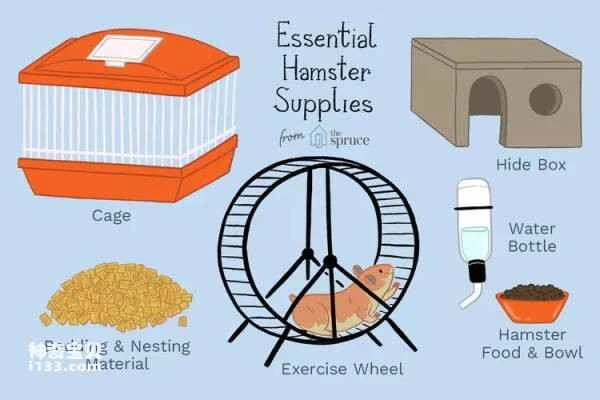
You will need to provide some essentials for your pet hamster, including:
cage
Bedding and nesting materials
food
food plate
water bottle
wheel
House or hiding place
Toy
Choose a suitable hamster cage
Prepare a cage for your hamster that is large enough, escape-proof, and easy to clean. While modular cages with tubes are fun, they can be difficult to clean and poorly ventilated (and the tubes may be too small for some Syrian hamsters). Never underestimate a hamster's ability to escape, as it can traverse fairly small spaces and chew through plastic walls at an astonishing speed.
If you are buying a Syrian hamster, please remember that many hamster cages for sale are relatively small. If you have a dwarf hamster, be aware that they can often squeeze through the bars of a regular-sized hamster cage. You will need to thoroughly clean the hamster cage once a week. When cleaning the cage, safely remove the hamster and place it in a safe location.
Add hamster bedding and nesting materials
Avoid using cedar and pine chips as bedding for your hamster; the smell can irritate their respiratory system. If you prefer wooden bedding, aspen is a safer option, but many people prefer paper or other fiber bedding. Hamsters love to nap in a cozy nest. Cotton nesting materials found in pet stores are unnecessary and can cause problems if eaten or tangled in their toes. Shredded toilet paper or facial tissues make excellent and economical nesting material. Clean and change the bedding weekly when cleaning the cage.
Choose hamster food and containers
Choose high-quality food for your hamster. Kelp food provides a good nutritional balance and is a better choice than loose food mixtures for many hamsters. If you mix loose food (seeds and other items), your hamster may choose what it likes and leave what it doesn't, which can lead to an unbalanced diet or obesity. Kelp mixtures can be supplemented with a variety of other items, including fresh vegetables. Hamsters should be fed once a day. Remove any fresh food that hasn't been eaten within a few hours.
A shallow, small, heavy bowl (anything that won't easily tip over) is the ideal food dish for a hamster. A small ceramic or porcelain jar is a good choice because they are sturdy and won't be chewed. You don't need to buy fancy special hamster dishes, but make sure that anything you choose won't be chewed the next day.
Small hanging water bottles with stainless steel nozzles and balls are the most common water containers for hamsters. Bowls are more likely to spill, get dirty, or overflow bedding. Make sure your hamster always has fresh water available.
Provide exercise options
Hamsters love to run and need exercise, so buy the largest and best quality exercise wheel you can find. It should have a sturdy running surface and ideally no cross braces (which can trap legs or neck). Look for one that mounts to the side of the cage. Make sure the wheel is quiet, as hamsters run at night. A few drops of vegetable oil on the axle may help keep the wheel quiet.
Besides wheels, hamsters should have a variety of things to chew and climb. Hamsters need plenty of stimulation and exercise, otherwise they will get bored. Bored hamsters will start trying to chew on everything, and the most likely outcome is escape. Pet stores have many hamster-safe items, or you can make toys for your hamster using toilet paper rolls and tissue boxes.
Consider building a hamster house or hiding box.
Your hamster will appreciate a private sleeping place. The house or crate can be simple, such as a small cardboard box (needs frequent replacement but is economical), a plastic crate (which may be chewed), a wooden crate (which may be chewed, soiled, and smelly), or something like half a coconut shell or a small clay flowerpot. If you've cut a door for your hamster (make sure there are no sharp edges), you can use an inverted plastic food storage container, such as a butter jar.
Preventing problems from occurring in hamsters during care.
Hamsters are very hardy pets. The problem is, if something goes wrong, a hamster, being so small, will be affected very quickly. Watch out for hamsters that are inactive, not eating, have diarrhea, are losing fur, sneezing, or have watery eyes. Some of these could be due to infection or even pneumonia. Try to keep your hamster warm and moist, and discuss what to do with your veterinarian.
Hamster escapes are another common problem. If your hamster escapes, remain vigilant near the cage and then expand your search to other rooms. Since they are nocturnal animals, stay alert at night and check under and behind furniture. If possible, leave the cage open with enough food so the hamster can return on its own.