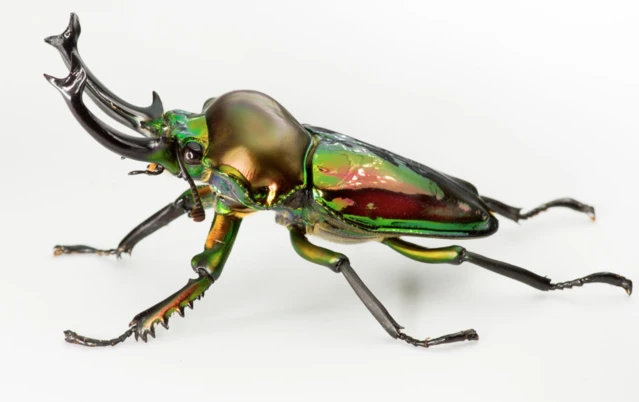
Tigerfish have always been popular for their vibrant colors and contrasting patterns, making them one of the most sought-after ornamental fish. So, which tigerfish are the most captivating? Today, I will introduce six of the most beautiful tigerfish varieties, including the Thai tigerfish, silver tigerfish, Sumatran tigerfish, New Guinea tigerfish, Indonesian tigerfish, and Northern Thai tigerfish. Let's learn about them together.
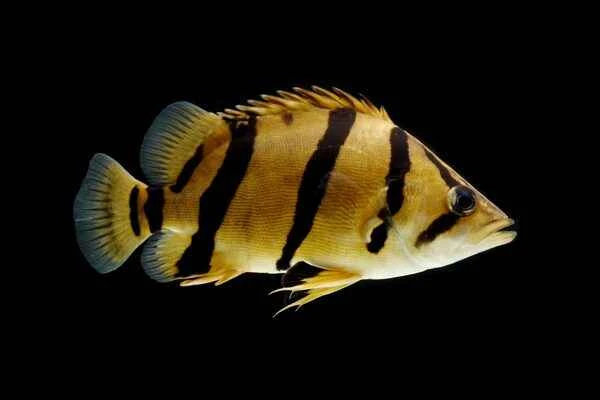
1. Thai Tiger Fish
The top-ranked species is undoubtedly the Siamese tigerfish. Among all tigerfish varieties, the Siamese tigerfish is the most expensive, its biggest difference being its more stable condition compared to other tigerfish. It boasts a golden color with extremely clear stripes that resist fading, maintaining its vibrant appearance. Siamese tigerfish are typically classified as three-striped or four-striped, with the three-striped being the most common. Depending on their habitat, they are also categorized as red-skinned or yellow-skinned. Because purebred Siamese tigerfish are rare on the market, they command exorbitant prices when they do appear, thus being considered a symbol of wealth.
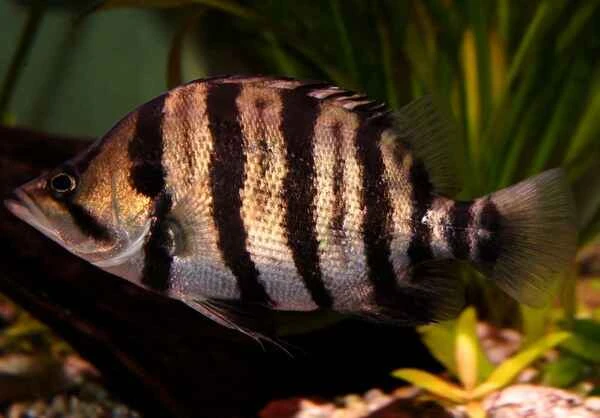
2. Silver Tiger Fish
The silver tigerfish, also known as the Pollo bream, differs from other tigerfish in that its distinctive silver stripes replace the traditional yellow stripes. These stripes shimmer and fluoresce under light, making it even more eye-catching. This tigerfish is relatively rare in the market and has a more slender body, unlike other tigerfish varieties. When purchasing, it's important to note that silver tigerfish are quite sensitive to water quality. If water quality issues arise, the fish's color may change; therefore, observing the silver tigerfish's color can reflect its health. Although silver tigerfish can also turn black, it is not as extreme as the Indonesian tigerfish.
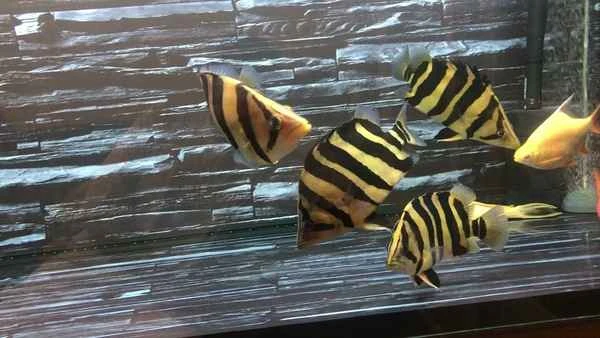
3. Sumatran tigerfish
The Sumatran tigerfish is extremely rare. This tigerfish has a short, tall body and a bright yellow-black coloration, primarily displaying a combination of inky black and lemon yellow. Its markings are clear and clean, and it was only gradually discovered after it was caught. The Sumatran tigerfish maintains its striking colors both day and night, and is a diurnal tigerfish. It is relatively bold in its behavior, preferring to swim in aquariums, and is less likely to cause trouble compared to the Indonesian tigerfish.
4. New Guinea Tigerfish
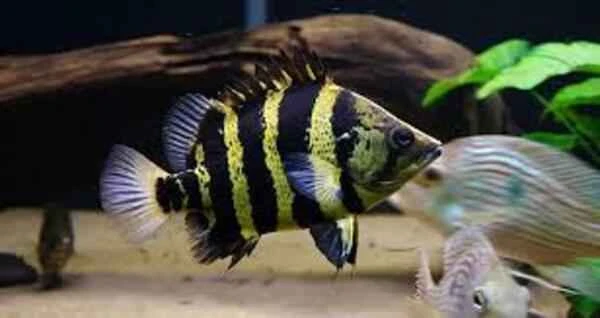
The New Guinea tigerfish, also known as the Campbell's fin tigerfish, is a highly sought-after species among tigerfish enthusiasts. This tigerfish is distributed along the coasts of Asia, Oceania, New Guinea, and Australia. In recent years, the New Guinea tigerfish has gained considerable attention as a popular subspecies. Its body stripes do not transition as clearly as other tigerfish, and may exhibit black spots. It has four black stripes on its sides, with worm-like edges on these stripes. Compared to other tigerfish, the New Guinea tigerfish is smaller, more expensive, and has more varied colors, tending towards golden or green. Some fish enthusiasts are captivated by it, while others find its complex and chaotic stripes unattractive.
5. Indonesian tigerfish
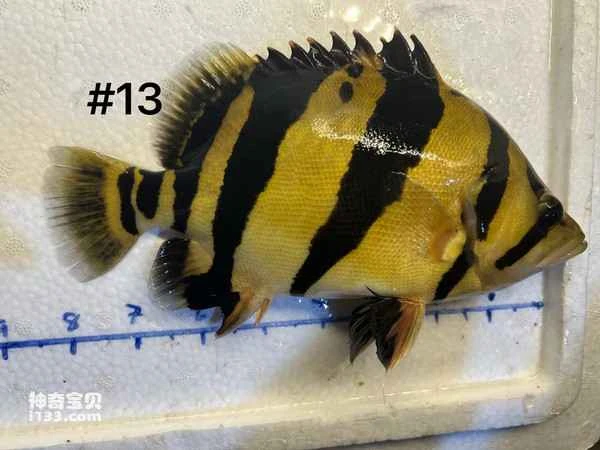
The Indonesian tigerfish, also known as the small-scaled wrasse, is mainly distributed in the Chao Phraya River basin and is one of the more common tigerfish on the market. Compared to the Thai tigerfish, the Indonesian tigerfish is smaller and more slender, with finer black stripes, and is much cheaper. This is mainly because Indonesian tigerfish are more timid and easily startled, and their stripes are not as clear as those of the Thai tigerfish, making them more affordable. Indonesian tigerfish are nocturnal, usually foraging at night and tending to hide in corners to avoid light during the day. For novice fishkeepers, keeping Indonesian tigerfish is not a simple task.
6. Northern Thai Tigerfish
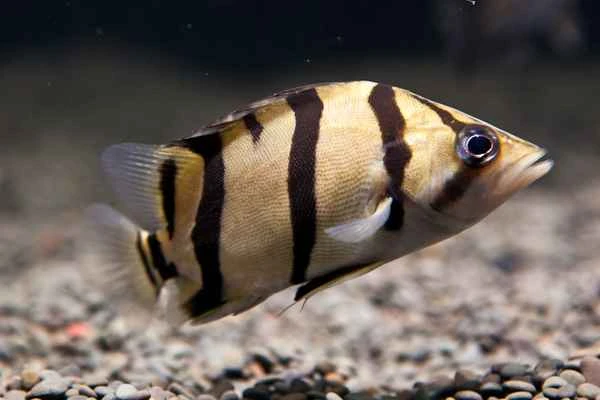
The Northern Thai Tigerfish, also known as the Bangkok Pine Cichlid, differs from the Thai Tigerfish by only one character in its name, yet their prices are vastly different. Compared to the Thai Tigerfish, which can easily cost tens of thousands of dollars, the Northern Thai Tigerfish is relatively affordable, costing only a few hundred dollars. The Northern Thai Tigerfish is very similar to the Thai Tigerfish in appearance and color, but it is smaller and has more delicate black stripes. The Northern Thai Tigerfish is gentle and suitable for keeping with other ornamental fish such as Arowana, Oscar, Knife Fish, Parrotfish, and Stingrays. However, due to its predatory nature, it is not recommended to keep it with small fish unless one is willing to accept the potential losses.