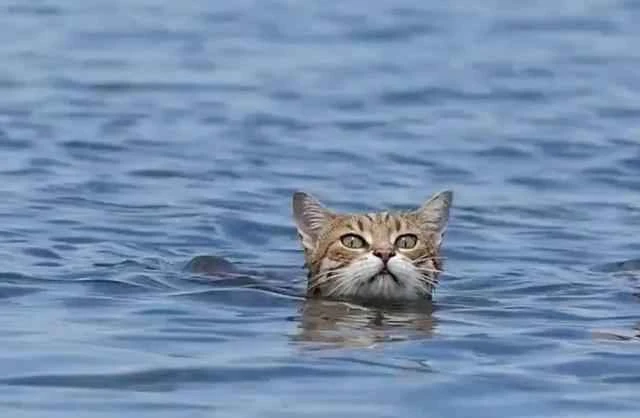
Many people choose to keep pets for emotional comfort. Besides traditional pets like cats and dogs, some young people also have an irresistible urge to keep fluffy, adorable new pets with clear, innocent eyes. Some have started keeping unusual, trendy pets: capybaras, raccoons, meerkats, groundhogs, snakes, turtles, geckos, lizards, scorpions…
At the same time, there has been a significant increase in cases of people seeking medical attention for pet bites, which raises the question: Are these animals safe?
Cute animals are not the same as pets.
The capybara, a newly popular pet animal that has maintained its popularity, originates from the Americas and is currently the largest known rodent. Affectionately known as "Capybara," it has quickly become an internet sensation due to its unique rounded body and relaxed, unassuming demeanor. Many pet shops and pet bloggers in China have already begun keeping capybaras as pets.
However, don't let your guard down just because of its docile nature. Capybaras can attack people under certain circumstances, such as when startled, during mating season, or while nursing their young. There have been numerous news reports of capybara bites both domestically and internationally. Capybaras have very well-developed incisors, and a bite can cause significant tissue damage. Although capybaras are not natural reservoirs for rabies, and rabies prevention is usually not necessary after a bite, it is still important to take precautions against bacterial infection and tetanus.
Raccoons, also known as "Instant Noodles," are famous for their intelligence and playfulness. Their distinctive black eye patches give them a comical, masked appearance, and they are relatively easy to care for. However, raccoons are also known for their wild nature, with sharp teeth and claws, and bites and scratches on their owners are not uncommon. Earlier this year, a blogger with millions of followers documented being bitten by their pet raccoon in a short video. It is particularly important to note that raccoons are carnivores and pose a high risk of transmitting rabies to humans. Monitoring data shows that in the United States, wild raccoons are the second leading rabies host after bats.
Remember that marmot that stood upright and roared "Ah!"? The marmot, scientifically known as *Pteropoda spp.*, is a large rodent mainly distributed in the western plateau regions of my country. Although it is classified as a low-risk animal for rabies, marmots are a major host and source of infection for plague, a Class A infectious disease in my country. Never buy or keep wild marmots as pets, as they are highly likely to carry large amounts of bacteria, viruses, and parasites. A blogger with millions of followers claimed in a video that their pet marmot posed no risk of infection and ate and slept with their family; this is a mistake.
Mr. Jiang, a resident of Beijing, has recently been inquiring about how to legally purchase an Australian wombat to keep as a pet. Wombats have become popular online due to their adorable appearance, making them a sought-after animal for many netizens who want to travel to Australia. However, the truth is harsh: wild wombats often live in burrows and are easily infected with scabies mites. Touching them can spread these mites through human activity, infecting various mammals.
Parrots are beloved for their vibrant plumage, intelligence, and ability to mimic human speech. However, keeping parrots requires caution regarding psittacosis, a zoonotic disease caused by Chlamydia psittaci. Most cases are asymptomatic, presenting as latent infection or mild diarrhea, but a small percentage can develop pneumonia, exhibiting symptoms such as chills, fever, cough, and chest pain. Additionally, parrot feather dust may trigger allergic reactions or worsen respiratory conditions.
Today, a niche community of reptile enthusiasts has emerged, primarily among young people, representing a "cool and aloof" culture. Young people's enthusiasm for reptiles stems not only from their diverse and novel appearances but also from their relatively simple daily care. However, choosing the right species is crucial; venomous species should be avoided at all costs. In 2018, a girl in Weinan, Shaanxi Province, purchased a banded krait online as a pet, was unfortunately bitten, and ultimately died despite medical treatment. Furthermore, while some animals, such as hognose snakes, tarantulas, and rainforest scorpions, have relatively low venom levels and bites or stings are usually not fatal, they should never be taken lightly. Their venom, once ingested, can cause severe pain, potentially leading to wound infection, tetanus, or even severe allergic reactions, posing a risk of death.
If you are bitten or stung by your pet reptile, remain calm, immediately rinse the wound with clean water, and seek medical attention at a medical institution with experience in treating animal injuries as soon as possible. In 2021, the National Health Commission of China issued the "Guidelines for the Diagnosis and Treatment of Common Animal Injuries (2021 Edition)," which standardized the diagnosis and treatment of common animal injuries in my country, including the principles for treating snake bites and spider bites.
Respect animal behavior and safeguard their lives.
Young people, burdened by the multiple pressures of studies, careers, and families, are often fascinated by cute, fluffy, and soft animals. One netizen, after watching the movie "Lone in the Moon," became interested in the kangaroo "Gangzi" and, hoping to be healed by his beloved animal, risked entering a kangaroo herd, only to be kicked by a male kangaroo and hospitalized with a fractured humerus. Animals' emotional ethics differ from humans'; a "loving hug" from a human is often perceived as an attack or provocation by many animals.
As more animals become new internet-famous pets, we must pay attention to the animal ethics issues this phenomenon raises. We cannot ignore an animal's rights and needs as a living being simply because it is cute or its behavior is amusing. Wild animals have their natural habitats and lifestyles in the wild, relying on specific ecological environments and food chains. If we remove them from their natural environment and bring them home as pets simply because of a momentary fondness, this is not only a deprivation of their natural instincts and a violation of their right to life, but it may also disrupt the balance of the food chain.
Wild animals often carry various pathogens, parasites, and even some unknown viruses. Approximately 70% of human infectious diseases originate from animals, many of which are related to wild animals, such as Middle East Respiratory Syndrome (MERS), Ebola, and avian influenza. While enjoying their habitats, animal keepers should learn relevant knowledge and raise their awareness and vigilance regarding preventative measures.
The various filters that humans impose on animals may ultimately be shattered by bloody lessons. Raising awareness of wildlife conservation, reducing unnecessary contact with wild animals, and fully understanding and respecting their living habits are the correct ways for humans and animals to coexist harmoniously.