First, the truth: there is no such thing as a completely "hypoallergenic" naturally occurring cat. Most allergic reactions originate from the cat's Fel d1 protein, which is primarily found in saliva, sebum, and dander (dander adheres to the fur and floats in the air). However, certain breeds are less prone to producing or dispersing Fel d1, shed less, or have a coat structure that more easily traps dander—leading many people to experience milder symptoms. Below is a list of breeds that are easier for allergy sufferers to manage, along with practical desensitization strategies for everyday life.

The principle of "relatively low allergenicity"
Less shedding, a tighter coat, or different grooming habits can reduce the spread of allergens in the home. Hairless or curly-haired animals do not mean zero allergens, but because there are fewer carriers and the spread is weaker, many people are more likely to adapt. Individual differences are very large, and it is strongly recommended to spend an extended period of time with the specific cat to test for allergies before deciding to adopt or buy one.
17 more "friendly" cat breeds
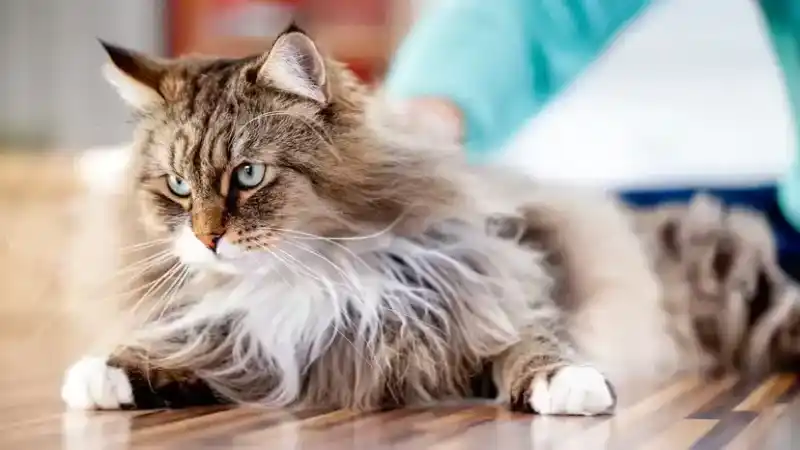
Siberian cat
Why it is more easily accepted: Many owners have reported that their allergic reactions are milder, which may be related to the lower Fel d1 levels in some breeds.
Care tips: Active, affectionate type. The triple coat can "lock in" dandruff, but it requires regular brushing and thorough drying after washing.
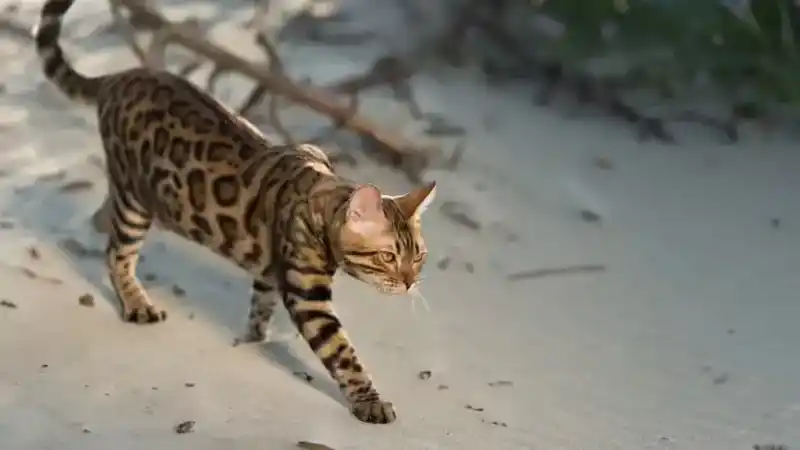
Bengal cat
Why it's more readily accepted: The short, close-fitting, velvety fleece sheds less and spreads less.
Care points: Energetic and intelligent, climbing and educational toys can expend physical energy.
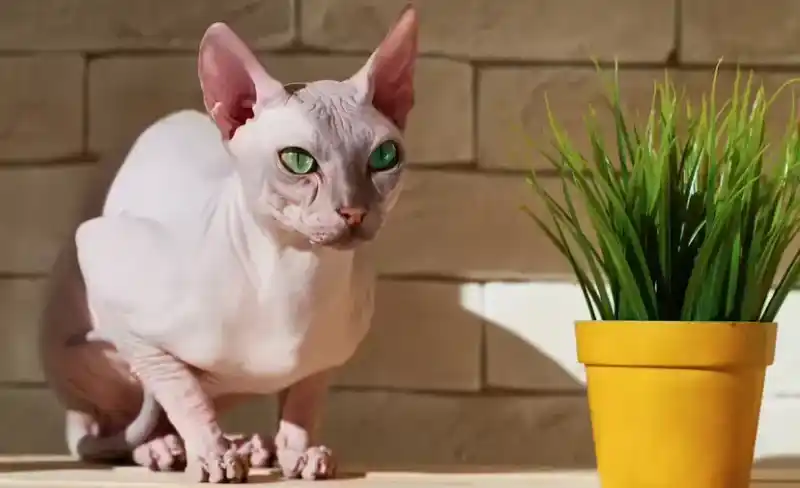
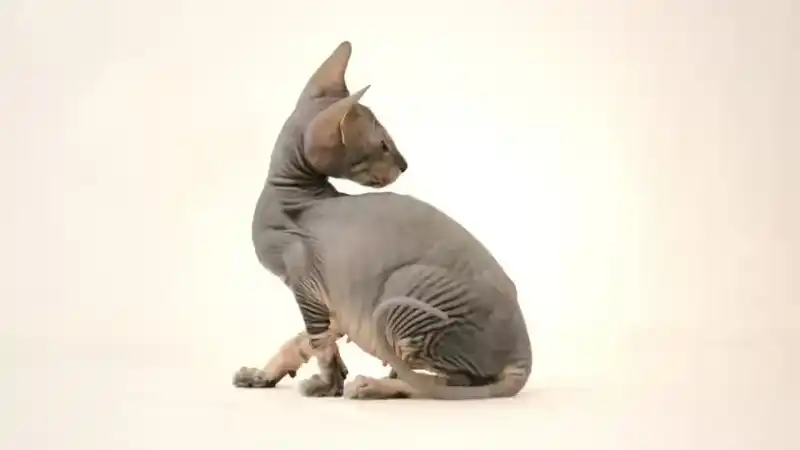
Sphynx cat
Why it's more acceptable: It has almost no fur that carries dander.
Care tips: Keep the skin warm and smooth, and give the cat a light bath weekly to remove excess oil; provide warm clothing or a cozy cat bed when the weather is cool.
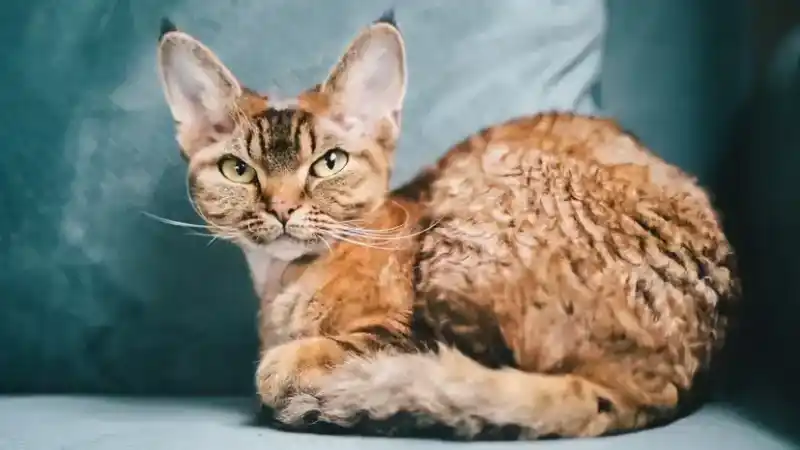
Devon Rex cat
Why it's more readily accepted: fine, soft, short curls, and minimal shedding.
Care tips: Lively and clingy; use mild wipes to clean skin oils during the two baths.
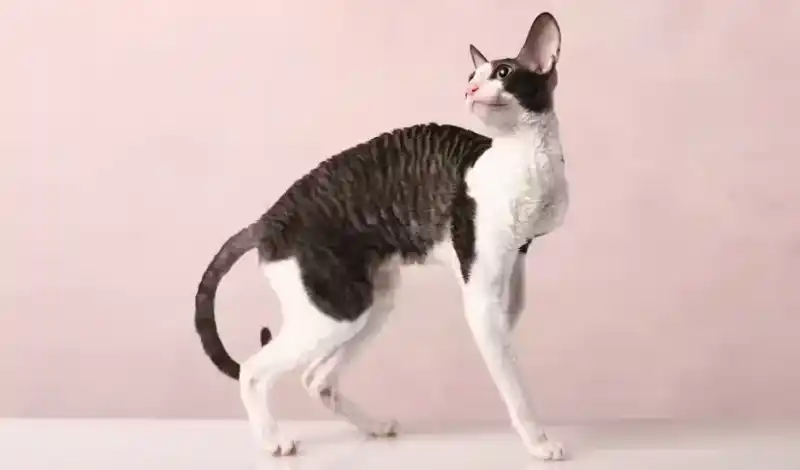
Cornish Rex
Why it's more readily accepted: It has only a soft undercoat and sheds very little.
Care tips: Indoor sprint champion; consistent gentle cleansing and moisturizing to manage sebum production.
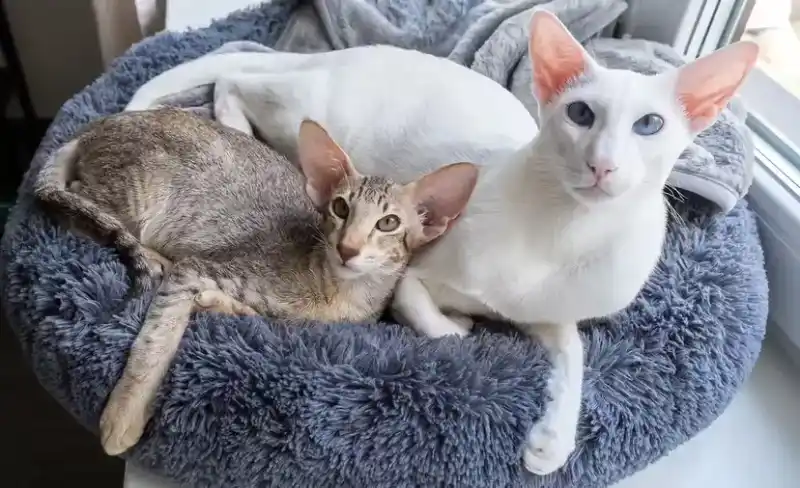
Oriental Shorthair cat
Why it is more easily accepted: The coat is tight and short, requiring less daily grooming and spreading.
Key care points: good at "chatting", social, and requires daily interactive games.
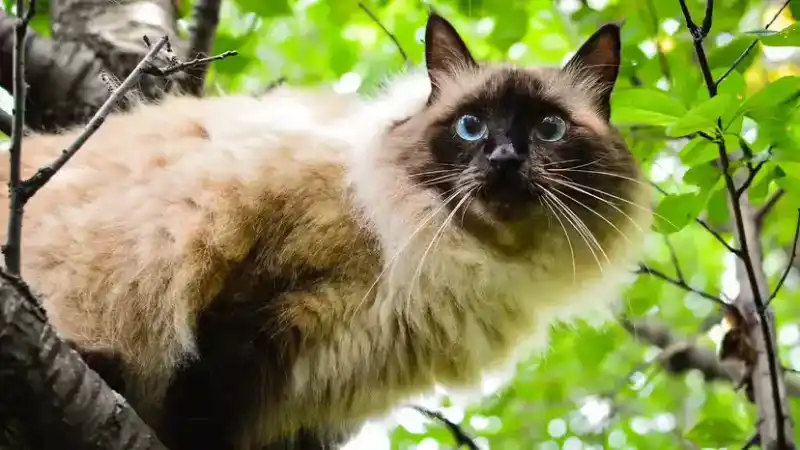
Balinese cat
Why it is more readily accepted: Although it has silky long hair, it is often reported to produce less Fel d 1.
Care tips: Be affectionate and intelligent; regular brushing can reduce dandruff.
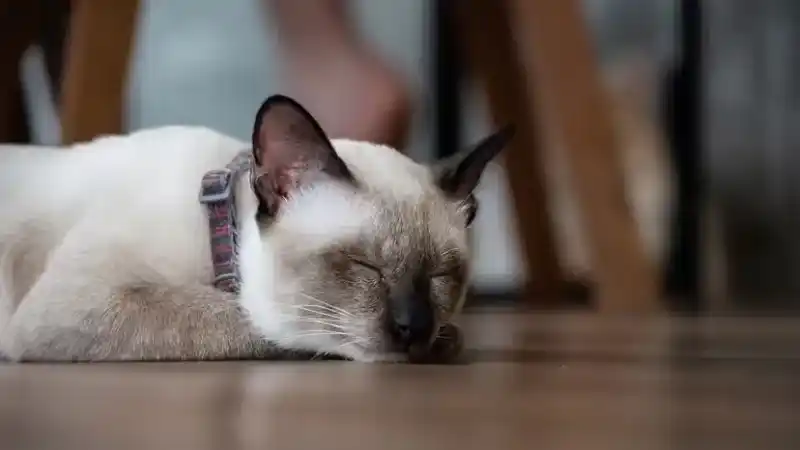
Siamese cat
Why it's more readily accepted: Short coat, moderate shedding, and relatively easy to clean.
Care tips: Talkative family members are suitable for simple training and regular interaction.
Russian Blue cat
Why it's more acceptable: The dense double coat can "trap" dandruff and reduce its spread.
Care tips: Be reserved around strangers and loyal to family members; regular grooming can remove trapped skin flakes.

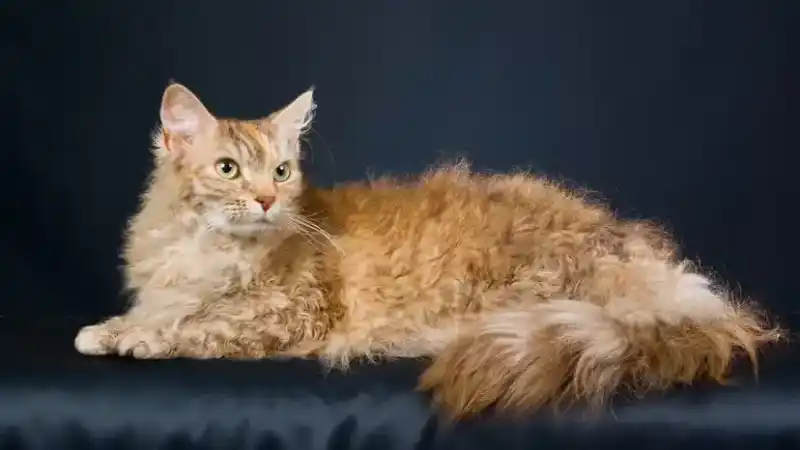
LaPerm
Why it's more acceptable: Curly hair tends to "grip" loose hair and doesn't easily scatter.
Care tips: Be gentle and curious; moisten with a spray and then brush straight, and minimize dry brushing.
Burmese cat
Why it's more readily accepted: short, close-fitting fur and minimal shedding.
Care tips: A true "lap cat"; regular wiping with wet wipes can reduce the time saliva remains on the fur.

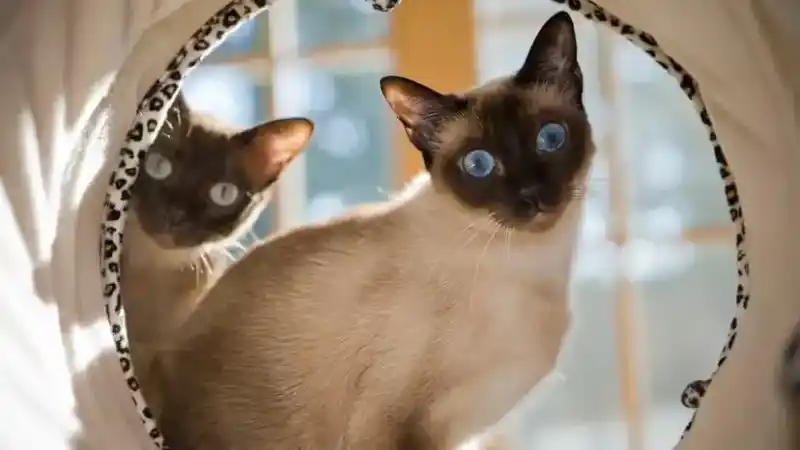
Tonkinese cat
Why it's more readily accepted: Short hair is easy to manage and sheds less.
Care tips: Be socially active; arranging high-intensity play before evening can help with sleep.
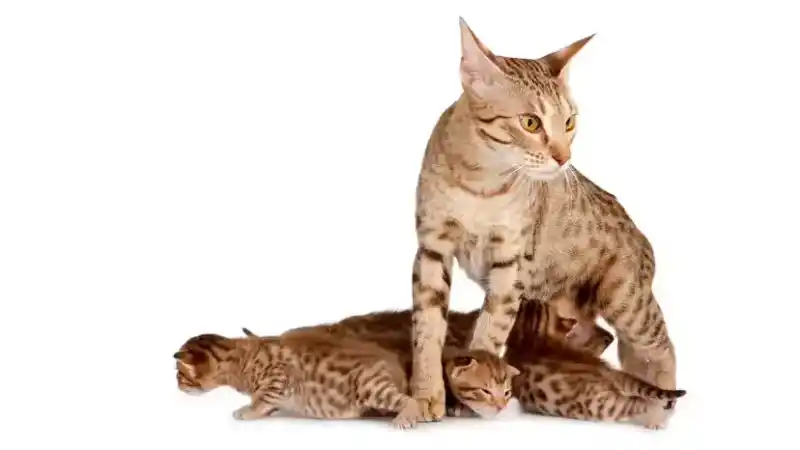
Ocicat
Why it is more readily accepted: short and smooth fur, with low shedding and low spread.
Care tips: Outgoing and trainable; weekly "quick combing and cleaning" for better hygiene.
Exotic Shorthair
Why it's more readily accepted: its dense but short coat makes it easy to groom.
Care tips: Gentle and quiet; daily facial cleansing helps reduce saliva residue around the mouth and nose.

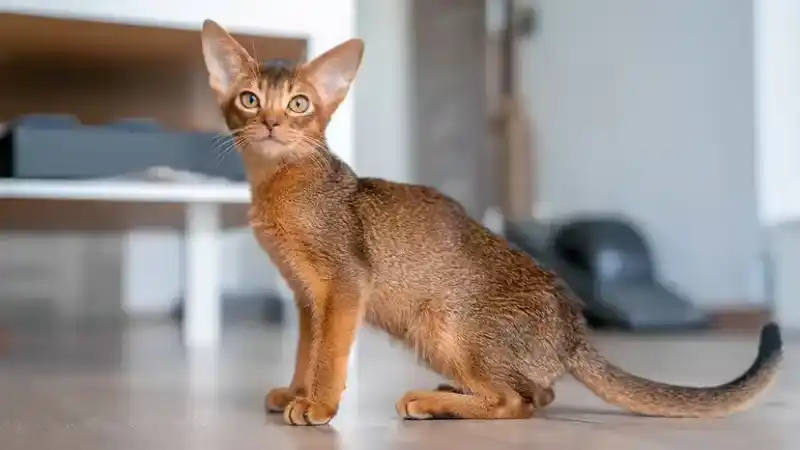
Abyssinian cat
Why it is more easily accepted: its extremely short, close-fitting coat makes it less likely to spread.
Key points for care: strong desire to explore; a "short, frequent, and fast" routine is most effective.
Peterbald the cat
Why it is more easily accepted: It has multiple forms from hairless to "fluffy", and the overall shedding is low.
Key care points: family members, social interaction; skin care and keeping warm are essential.
Javanese cat
Why it is more easily accepted: It has a fine single-layer coat and relatively little shedding.
Key care points: intelligence and communication skills; regular grooming and targeted washing and care for more stable results.
9 ways to reduce allergens at home
Air and surface are captured together
A true HEPA air purifier should be placed in the room where you spend the most time and run continuously. Use a sealed HEPA vacuum cleaner with a hard-surface brush head to clean it several times a week. Wipe countertops and furniture with a damp cloth rather than a dry duster to prevent dust from re-entering the room.
Controlling the "cat allergen cloud"
Designate the bedroom as a cat-free zone and guard the sleeping window. Bathe or wipe the cat regularly using cat-safe shampoos and conditioners or hypoallergenic washes. Brush the cat's fur outdoors or in a well-ventilated area whenever possible, and have it done by someone who is not allergic.
Fabrics are being transformed in sync with daily life.
Wash bedding and blankets at high temperatures and add an extra rinse. Choose leather or high-density fabric sofas and machine-washable carpets. Discuss with your veterinarian whether formula that may reduce saliva production (Fel d 1) is suitable for your cat.
Relieve your symptoms (consult a doctor first).
Daily confrontation
Second-generation antihistamines (such as loratadine and cetirizine) can reduce reactions; during the day, non-drowsy formulations are preferred. Nasal corticosteroid sprays (such as fluticasone and mometasone furoate) can suppress inflammation locally. Decongestants can be used for short-term relief of nasal congestion, but should not be used daily for extended periods.
Long-term desensitization
Specific immunotherapy (allergy shots) can gradually train the immune system, significantly reducing reactions in cats. Consult your allergist to assess indications and schedules.
Smart parenting and decision-making
When looking at "this cat," don't just look at "its breed."
Spend at least two to three hours in continuous contact with the target individual; wash hands after contact before touching eyes and nose, and record reactions for the next 24 hours.
Plan ahead of time for the "first 30 days"
Before the cat arrives home, make sure the air purifier, bedroom boundary, grooming kit, wipes, and cleaning routine are all in place. Keep a short symptom log to identify the combinations that are truly effective.
In conclusion, there are no absolutely hypoallergenic cats, but many people with mild to moderate allergies can indeed live comfortably with their cats by combining the breed preferences mentioned above with home remedies to reduce allergies. Choosing the right cat and maintaining a stable daily routine of air purification, fabric management, and gentle washing and conditioning will give you a better chance to enjoy "hugs with fewer sneezes."