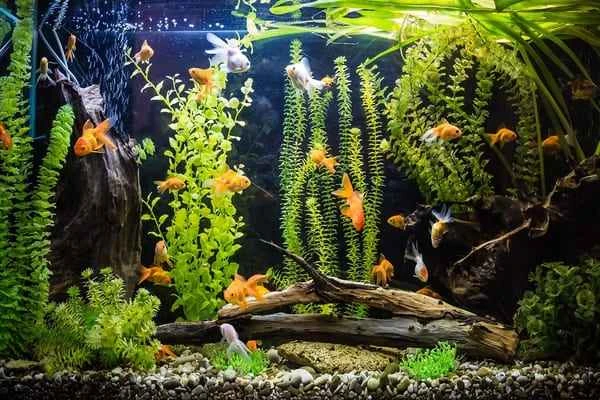
Want a pet that doesn't need to be walked around or shed? A frog might be just the right choice. As amphibians, pet frogs come in a variety of shapes and colors, and have interesting habits; once the environment is set up properly, the daily maintenance is not high, yet their ornamental value is significant.
Unlike dogs and cats, frogs do not fetch or cuddle, but they turn small terrariums into "living landscapes" with their unique "jumping aesthetics," nocturnal habits, and vibrant colors.
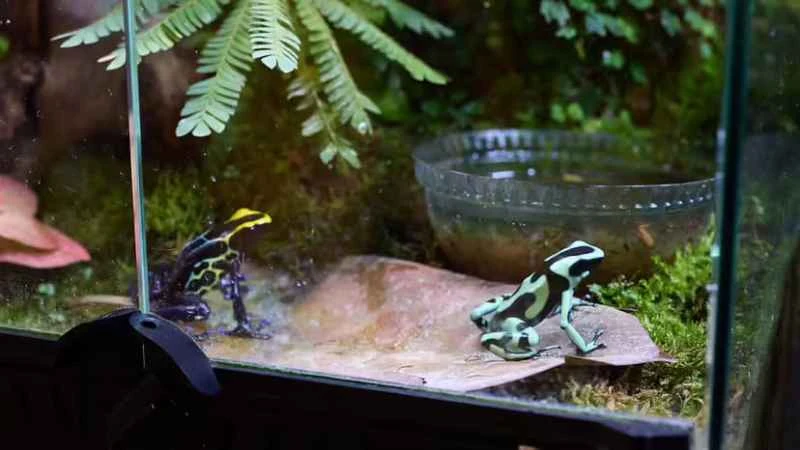
Table of contents
Why are frogs considered "easy-to-care-for and beautiful" pets?
Habitat creation: Bringing nature into a glass box
What do pet frogs eat: live food and nutritional supplements
Grasping and Health: Key Points of Special Care for Amphibians
Introduction to 8 Common Pet Frogs (Beginner to Advanced)
Precautions for purchasing and combining packages
Risks and common mistakes that beginners often overlook
13 Practical Tips for Pet Owners (Checklist)
Budget and time cost estimates (optional)
Why are frogs considered "easy-to-care-for and beautiful" pets?
Quiet and easy to observe : Most species are gentle and quiet, making them suitable for apartments or small homes.
Relatively small space requirements : Compared to reptiles or mammals, many frogs have better space requirements for activity.
Environment determines everything : arboreal, terrestrial, semi-aquatic, and fully aquatic, different ecotypes have different requirements for "temperature, humidity, water body, ventilation, and scenery" - but the rules are clear, and building according to the plan can be stable.
Diverse colors and shapes : from fluorescent green tree frogs to tomato red ground frogs, creating a strong visual impact.
Most are artificially bred : The mainstream pet frogs come from artificially bred groups, and their adaptability and health are usually better than those of wild individuals.
Habitat creation: Bringing nature into a glass box
Core principle: Recreate the original environment in situ according to its ecotype . Minimize temperature, humidity, substrate, water, hiding places, and climbing/lurking structures to closely resemble the native environment.
enclosure and hardware
Container : Glass eco-box/fish tank with lock; for tree frogs, a tall box is recommended, and for terrestrial frogs, a box with more horizontal space is recommended.
Monitoring : one thermometer and one hygrometer; if necessary, add a constant temperature pad/ceramic heater and a temperature controller.
Ventilation : Top and side cross ventilation to avoid stuffy boxes causing skin/mold problems.
Lighting : 10–12 hours of circadian lighting; most frogs do not require strong UVB, but weak UVB helps with calcium metabolism (depending on species).
substrate and set design
Terrestrial/Arboreal : Coconut/peat soil mixed with bark and fallen leaves, moist but not waterlogged; add cork bark, perches, vines and hiding places.
Semi-aquatic : Land area to water area 1:1 or 2:1, land area uses permeable substrate, water area is made of shallow beach and gentle slope.
Fully aquatic : water filtration (sponge/external filter), rounded pebbles or fine sand; avoid small, ingestible particles.
Living plants : Moisture-tolerant plants such as ferns, pothos, and bromeliads can stabilize humidity, absorb ammonia, and provide shade.
Biological self-sustaining (optional) : Isopods/springtails + leaf litter layer to construct a "micro-ecological scavenger" system to reduce odors and remove pollutants.
Environmental parameters (common ranges, with slight adjustments depending on the species)
Temperature : 22–28 ℃ (may drop slightly by 2–3 ℃ at night).
Humidity : 60%–90% depending on the species; tree frogs usually require higher humidity, while terrestrial frogs prefer a "moist substrate + dry surface".
Water : Dechlorinated water/RO water returned to the mine; the entire aquatic system requires stable filtration and regular water changes.
Maintenance : Spray 1–2 times daily (check the hygrometer), collect feces and uneaten food; turn over the soil and wipe the glass weekly; perform deep cleaning and substrate replacement monthly (extend the cycle as appropriate for bio-self-maintaining boxes).
What do pet frogs eat: live food and nutritional supplements
Frogs are carnivorous and mostly rely on "live prey in motion" to trigger their prey.
Common baits
Crickets, flies, moths, small cockroaches
Mealworms/superworms (high in fat, suitable as a snack)
Yellow mealworm larvae, waxworms (high in fat, small amount)
Earthworms (which terrestrial frogs love to eat)
All aquatic: bloodworms, brine shrimp, bloodworm fragments, etc. (pay attention to water quality)
Feeding frequency
Juvenile/Subadult: Small amounts frequently throughout the day
Adults: every 2–3 days (based on abdominal circumference and stool condition).
Nutritional supplements
Calcium powder : 2–3 times/week, lightly dip the bait.
Multivitamin (containing D3) : 1 time/week
Rotate the bait selection to prevent picky eating and micronutrient imbalance.
Do not feed wild insects ( due to pesticide/parasite risks ).
Grasping and Health: Key Points of Special Care for Amphibians
Minimize handling : Amphibian skin is highly permeable and easily absorbs chemicals (hand sanitizer, perfume, disinfectant). If handling is necessary , rinse hands with dechlorinated water or wear disposable gloves that are wet.
discomfort signals
Decreased appetite or refusal to eat
Abnormal skin color/texture, ulceration, or white cotton-like covering
Swelling of limbs, abdominal distension, and unsteady buoyancy.
Slowed behavior, nocturnal inactivity
Abnormal stools, diarrhea
Common causes : improper temperature/humidity, water pollution, monotonous diet, and micronutrient deficiency.
For medical treatment : Prioritize contacting exotic pet veterinarians who are familiar with amphibians and reptiles ; record environmental parameters, feeding and defecation times before the visit.
Introduction to 8 Common Pet Frogs (Beginner to Advanced)
The following is a quick overview of "Difficulty of keeping/Ecological type/General environmental location/Personality characteristics". Please refer to the species' care manual before purchasing.
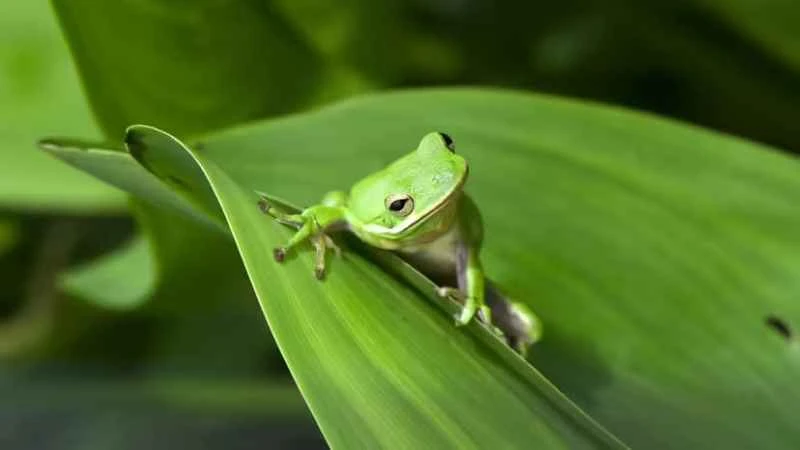
American Green Tree Frog (Beginner, Arboreal)
24–27 ℃, humidity 70–90%, high box + climbing branches; fresh body color, active and beautiful.Dart Frogs (Medium, Terrestrial - Moss Layer)
22–26 ℃, high humidity, densely planted live rainforest box; artificially raised and non-toxic (lacking wild poison bait chains), with extremely bright colors.White's Tree Frog / Fat Tree Frog (Beginner to Intermediate, Arboreal)
24–27 ℃, humidity 60–80%; "Buddhist" personality, easy to care for, sturdy and cute.Pacman Frog (Beginner to Intermediate, Terrestrial Ambush Frog)
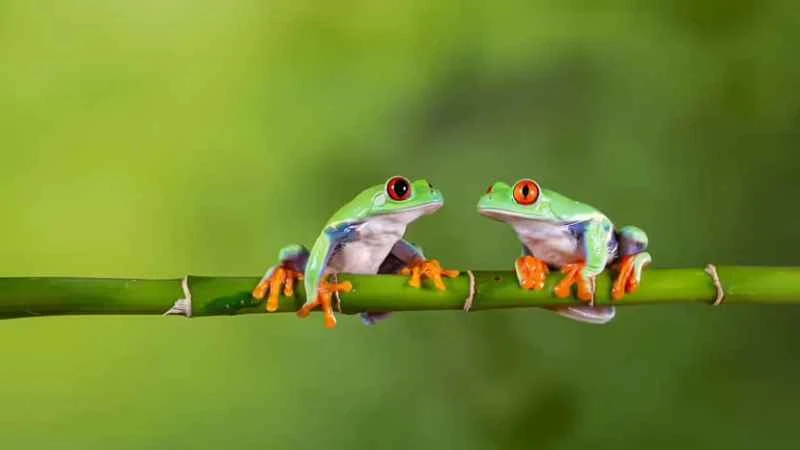
24–28 ℃, moist and soft substrate; large appetite but low activity, control feeding to prevent obesity and fatty liver.Red-eyed Tree Frog (Intermediate, Arboreal)
24–27 ℃, high humidity, good ventilation; highly scenic at night, requires stable humidity and shelter.African bullfrog (Pixie Frog) (Advanced, terrestrial)
26–28 ℃, moist, thick substrate; large size, strong appetite, suitable for experienced individuals.Tomato Frog ( Intermediate, Terrestrial)
24–27 ℃, moist leaf litter; it will secrete mucus when startled, so avoid disturbing or handling it.Oriental Fire-bellied Toad / Semi-aquatic Toad (Beginner, Semi-aquatic)
20–24 ℃, land and water zones + shallow water; orange-red warning color on the underside, lively and pleasing to the eye.
Precautions for purchasing and combining packages
We only select artificially bred individuals : their origin is clear and they have passed quarantine; we refuse to purchase wild-collected individuals, which is both compliant and more environmentally friendly.
Do not keep them together : different species have different temperature and humidity requirements, behaviors and body sizes ; and most frogs have the instinct to "cannibalize/prey on smaller animals".
Avoid mixing with reptiles/fish : there are many pathogens, temperature and humidity differences, and conflicting habits.
Isolation upon arrival : New frogs should be observed alone for 2–4 weeks. Once their appetite and excretion are confirmed to be normal, they can be integrated into the same population.
Risks and common mistakes that beginners often overlook
Focusing only on temperature without considering humidity and ventilation can lead to skin/mold problems.
Long-term feeding of a single food source (only crickets or mealworms) can lead to calcium/micronutrient deficiencies.
Spraying water directly with tap water or adding it to the tank can cause residual chlorine/heavy metals to irritate the skin and eyes.
Excessive handling and scratching can damage or stress the stratum corneum .
"If it looks clean, don't clean it," leading to the accumulation of ammonia and nitrite in the substrate and water.
Blindly combining animals into one enclosure or raising them together.
Buy the container first, then decide on the species – the species should be determined first, then the container and equipment should be selected .
13 Practical Tips for Pet Owners (Checklist)
Choose the right enclosure type: Match the enclosure/fish tank/rain forest enclosure according to its ecological type.
Monitoring is thorough: thermometers and hygrometers are kept on and monitored regularly.
Living plants are preferred, as they provide both moisture retention and shade.
Unless absolutely necessary, avoid touching or grabbing.
Observe appetite, body shape and nighttime activities daily.
Use only dechlorinated water/RO water (after ore return) for spraying or water replacement.
Set up a "temperature and humidity gradient" to allow the frogs to choose their comfort zone.
Feed should be refrigerated and dried, and calcium and vitamins should be supplemented regularly.
Keep the substrate moist but not waterlogged, and loosen the soil and turn the leaves regularly.
Regularly clean up uneaten food and feces to prevent parasites and unpleasant odors.
Provide hiding spots and climbing/ambush structures to encourage natural behavior.
Purchase artificially bred individuals only from reliable vendors/breeders.
If multiple animals are kept together, they should be confirmed to be of the same species and similar in size, and observed for territorial or biting behavior.
Budget and time cost estimates (for reference)
One-time investment : Ecosystem box/lighting/heating and temperature control/spraying/substrate/plants/decoration/water treatment, the total for a typical entry-level setup is approximately ×××–××× (depending on the configuration).
Monthly expenses : live bait, maintenance, substrate replacement, water and supplies, approximately ××–××.
Time : Observe and spray for 5–10 minutes daily; tidy up for 20–30 minutes weekly; deep clean once a month.
summary
Frogs are better suited for owners who prefer to observe them more and touch them less . With patience in maintaining the environment and hygiene , you can have a miniature rainforest that remains evergreen year-round: red eyes peeking out from behind leaves, poison arrows darting through moss, and plump frogs lurking beneath fallen leaves. They don't need to be taken for walks, yet they bring the order and wonder of nature to a corner of your desk.