While most dogs are better adapted to cold environments than humans, only a few breeds truly thrive in extreme climates. These dogs are naturally cold-hardy and robust, making them the most reliable companions for humans in frigid regions. Below is a list of the 10 most cold-resistant dog breeds in the world : including Eskimo Dogs, Alaskan Malamutes, Huskies, Samoyeds, Inuit Dogs, Tibetan Mastiffs, Saint Bernards, Great Pyrenees, Tibetan Terriers, and Newfoundlands. Let's explore the extraordinary qualities of these "snow warriors."
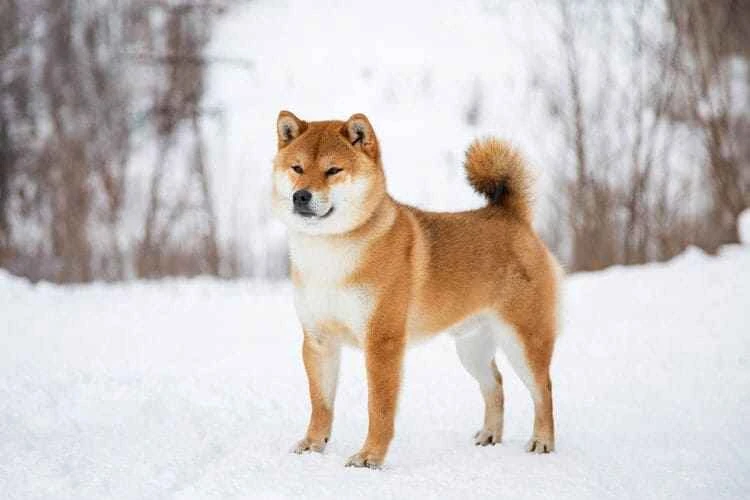
1. Eskimo Dog (can still survive in -50℃)
The Inuit Dog tops the list of cold-resistant breeds. Originating in Eastern Siberia, it is a typical Arctic working dog, capable of thriving in environments as cold as -50°C. Its thick, hard coat protects it from the cold winds and snow, allowing it to pull heavy sleds and hunt on the ice fields. Even when buried under heavy snow, they can sleep soundly as long as their heads are visible. An adult Inuit Dog can easily pull loads weighing tens of kilograms, making it one of the most hardworking dog breeds in the world.
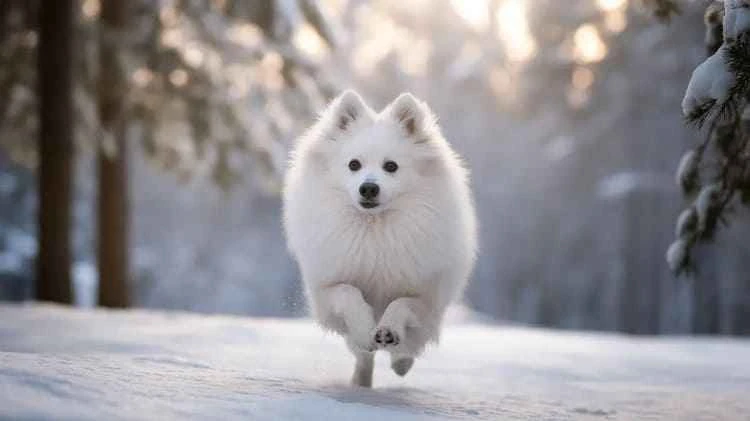
2. Alaskan Malamute (double coat, waterproof and warm)
The Alaskan Malamute is one of the oldest Arctic dog breeds. With its strong, powerful limbs and robust build, it excels at long-distance, heavy-duty transport. The Alaskan Malamute possesses a dense double coat—a soft, warm inner layer and a rough, waterproof outer layer—allowing it to move freely even in sub-zero temperatures. Unlike the speed-oriented Husky, the Alaskan Malamute is renowned for its endurance, making it a true "polar powerhouse."
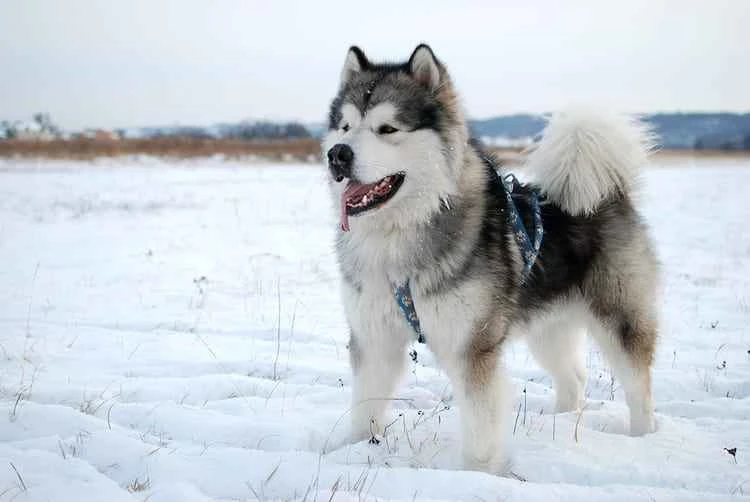
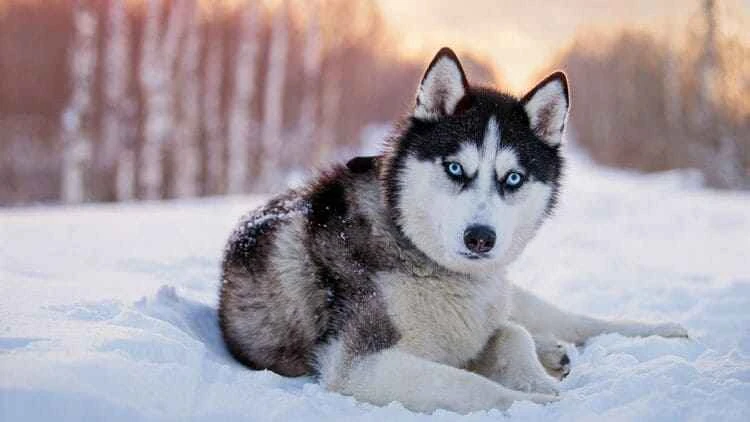
3. Husky (double-layered fur, high energy)
The Siberian Husky , also known as the Siberian Husky, is one of the most famous hardy breeds. They have a dense double coat that effectively insulates them from the cold wind and has a very mild odor. Originating in Siberia, the Husky was first used for sled transport and racing. Known for its speed, energy, and friendly temperament, it is one of the most representative Arctic dogs. Today, the Husky is not only a sporting dog but also a beloved family pet.
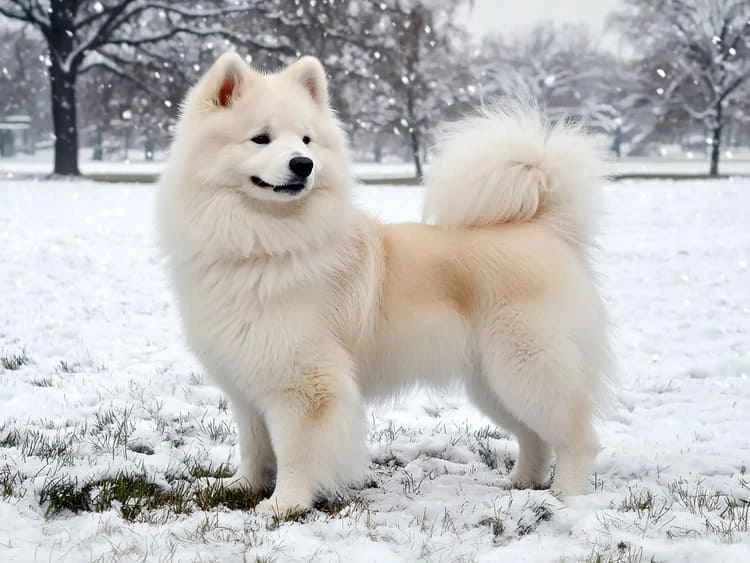
4. Samoyed (the "smiling angel" running in the snow)
The Samoyed is one of the three major sled dog breeds, bred by the Samoyedic people of Siberia. It possesses a fluffy, snow-white double coat that is both warm and waterproof, allowing it to run tens of kilometers in temperatures as low as -40 to -50 degrees Celsius. Samoyeds have strong frames, well-developed muscles, and incredible stamina; they have been known to pull hundreds of kilograms of supplies during Arctic expeditions. Not only are they excellent working dogs, but they are also renowned as the gentlest snow angels due to their distinctive "smiling expression."
5. Inuit Dog (Polar Hunter, extremely cold-resistant)
The Inuit dog , also known as the "Canadian Eskimo Dog," is one of the oldest Arctic dog breeds. Large in size and with a resilient temperament, it carries Arctic wolf genes. Even on the icy plains where temperatures drop to tens of degrees below zero, they huddle together for warmth. For the Inuit people, these dogs are not only a means of transportation but also survival partners—pulling sleds in winter, carrying luggage in summer, and even acting as "boatmen" at sea, helping to haul boats back to shore.

6. Tibetan Mastiff (King of the Plateau, resistant to cold and hypoxia)
The Tibetan Mastiff is one of the most representative dog breeds of the Qinghai-Tibet Plateau, living year-round in cold regions at altitudes of 2,000 to 4,000 meters. The low air pressure, low temperatures, and strong radiation of the plateau environment have shaped the Tibetan Mastiff's large and robust physique and tenacious vitality. They possess exceptional cold resistance and defensive capabilities, have thick fur, and a dignified temperament, making them "guardian deities" in the hearts of herders.

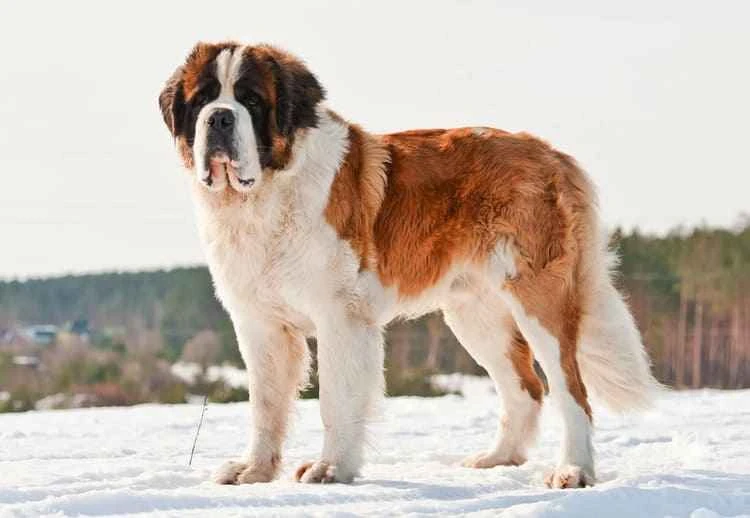
7. Saint Bernard (Mountain Rescue Hero)
The Saint Bernard , originating in the Swiss Alps, is a breed developed from Tibetan Mastiffs and Newfoundlands. It is a world-renowned mountain rescue dog. With its keen sense of smell, strong physique, and unwavering will, it is frequently used in avalanche rescues. Records show that Saint Bernards began serving as rescue dogs in the 17th century, and have rescued over two thousand people to date. One Saint Bernard named "Barry" single-handedly rescued 40 avalanche survivors, earning him the title of "Snow Hero."
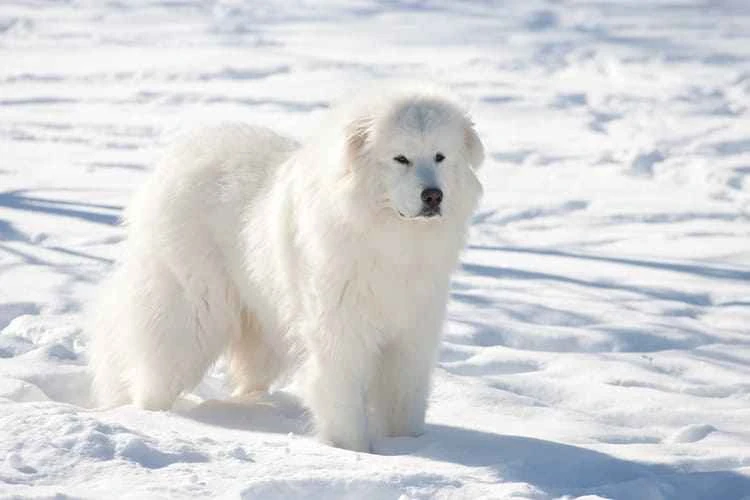
8. Great Pyrenees (Snow Working Dog, Multi-functional Guardian)
The Great Pyrenees , also known as the "Pyrenean Mountain Dog," has long lived in high-altitude, snow-covered mountain regions and is a natural expert in cold-weather protection. They are gentle and loyal, serving as herders for sheep, sled dogs, and guard dogs. With their strong limbs and broad paws, the Great Pyrenees can walk steadily in deep snow, making them ideal assistants for winter sports and transportation. Their performance in pastures, mountains, and snowfields is considered flawless.
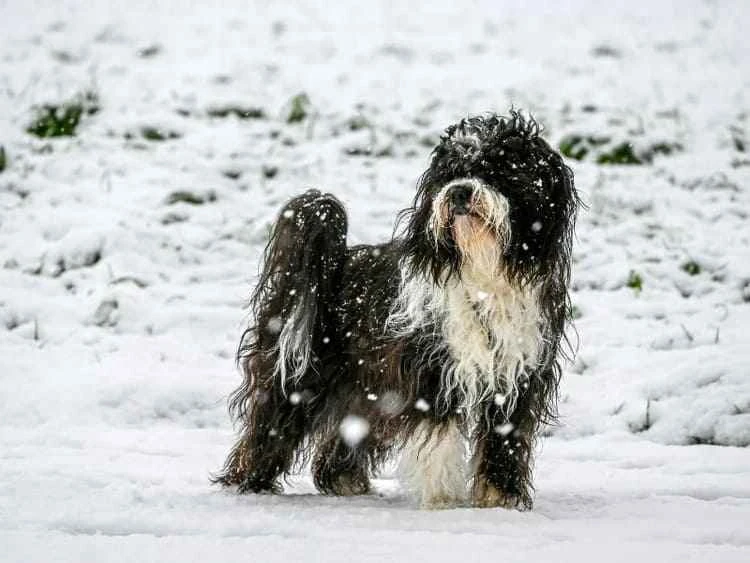
9. Tibetan Terrier (a representative of cold-resistant medium-sized dogs)
Among hardy breeds, there are not only large breeds, but also excellent representatives of small and medium-sized breeds. The Tibetan Terrier is one of them. It was originally bred by Tibetan lamas in monasteries for herding sheep and retrieving food from the mountains. The Tibetan Terrier has a soft undercoat and a dense outer coat, which can effectively protect it from blizzards; they are intelligent, loyal, and emotionally sensitive, extremely dependent on their owners, and are known as "Tibetan little warriors".
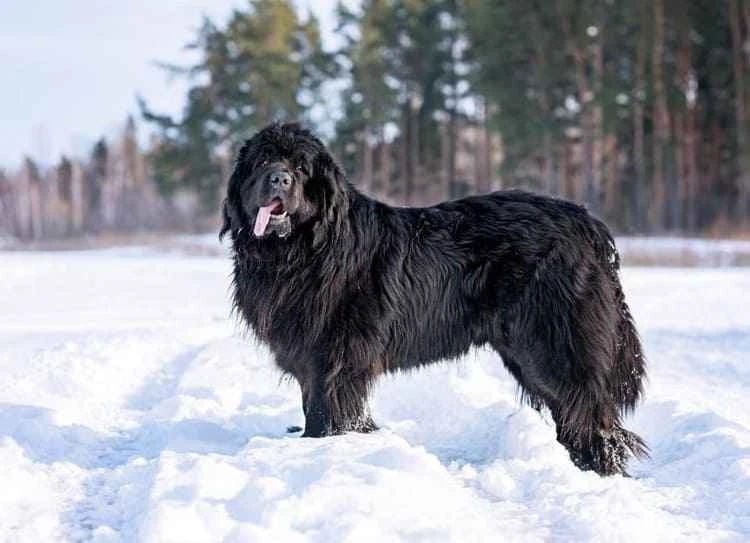
10. Newfoundland (thick coat for warmth, excellent for rescuing from ice and water)
Newfoundlands are large, incredibly strong, and among the strongest and most resilient water rescue dogs in the world. Their double-layered waterproof coat protects them from the cold winter and icy seawater, while their large, webbed feet allow them to easily walk on ice and mud. Newfoundlands are frequently used for tugboats, net pulling, rescues, and cargo transport; they are hardworking and gentle "guardians of the sea."
Conclusion
These ten dog breeds are all miraculous life forms that evolved in harsh environments. They serve as rescuers or loyal companions to humans, demonstrating tenacious vitality and unparalleled loyalty whether on icy plains, snow-capped mountains, or high plateaus.
The data in this article is compiled from canine research literature and related materials, and is updated to October 13, 2025. It is for reference only. Readers are welcome to add or share more stories about hardy dogs in the comments section.