Felidae are among the most mysterious and threatening predators in nature, found almost globally—from the African savanna to the Asian rainforest—except for Antarctica, Madagascar, and Australia. This family of animals possesses unique physiological structures, such as retractable claws, powerful visual and auditory systems, and, in a few species, a special laryngeal structure that allows them to roar. However, against the backdrop of continued global environmental degradation and the expansion of human activities, approximately 13% of felines are on the verge of extinction, another 34% are classified as "vulnerable," 16% as "near threatened," and while 37% are currently "least threatened," they also face the risk of continued population decline.
This article will take you through the most endangered feline species, the threats they face, current conservation efforts, and why the existence of felines is so important to the ecosystem.
I. Detailed Explanation of Five Endangered Feline Species
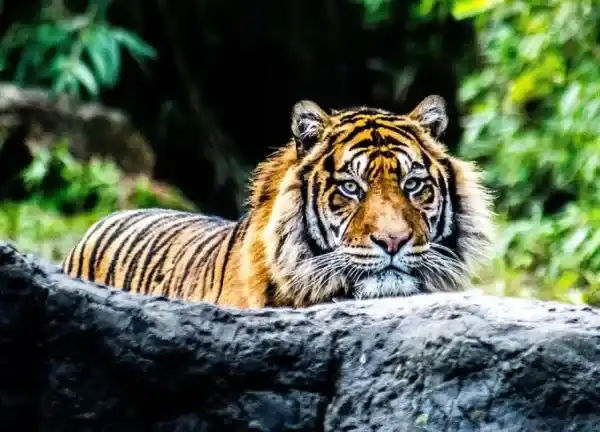
1. Tiger (Panthera tigris)
Tigers are among the most endangered feline species, with six extant subspecies mainly distributed in Asian countries such as India and Thailand. However, with urban expansion, industrial development, and tourism, tiger habitats (forests) have been extensively destroyed. Furthermore, tiger skins and bones are still illegally traded for medicinal and decorative purposes, making them targets for poaching.
Three tiger subspecies have gone extinct in the past century. Very few individuals remain in the wild; most tigers live in zoos or conservation centers.
Further reading: "Why are tigers on the verge of extinction?"
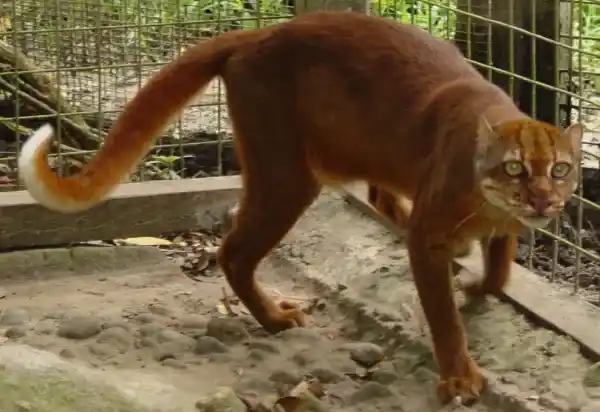
2. Borneo Red Cat (Catopuma badia)
The Bornean red cat is an extremely rare wild cat species, and scientists know very little about it due to its elusive lifestyle and scarce sightings. Although some areas of Borneo have good forest cover, rapid industrialization and the expansion of oil palm cultivation in recent years are seriously threatening its habitat. Investment in research and conservation remains far from sufficient.
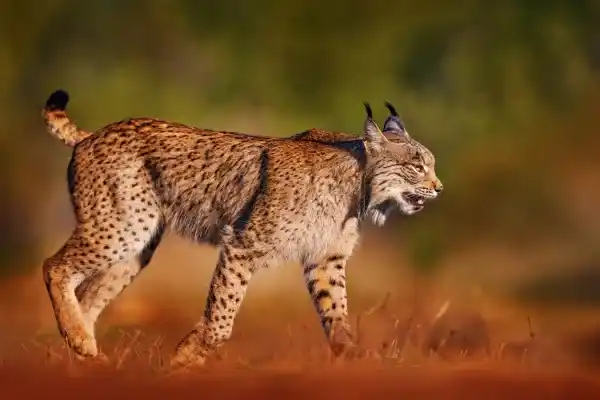
3. Iberian Lynx (Lynx pardinus)
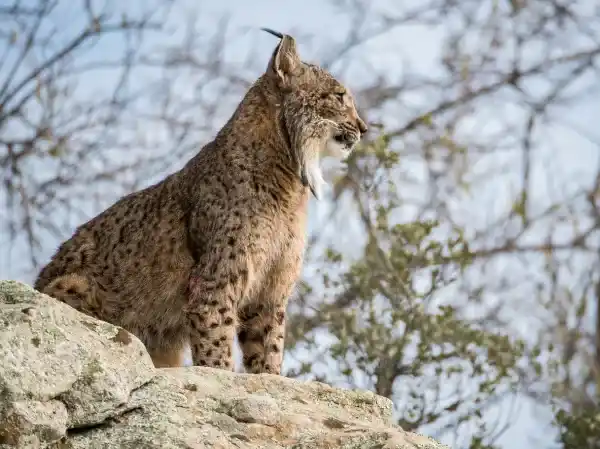
The Iberian lynx, primarily found in Spain and Portugal, is one of the world's most endangered big cats. Once on the verge of extinction due to urban expansion and declining prey, its population is now gradually recovering thanks to conservation programs implemented by the Spanish government. It is one of the few felines to have successfully reversed its endangered status.
Further Reading: Why the Iberian Lynx Was Once on the Verge of Extinction
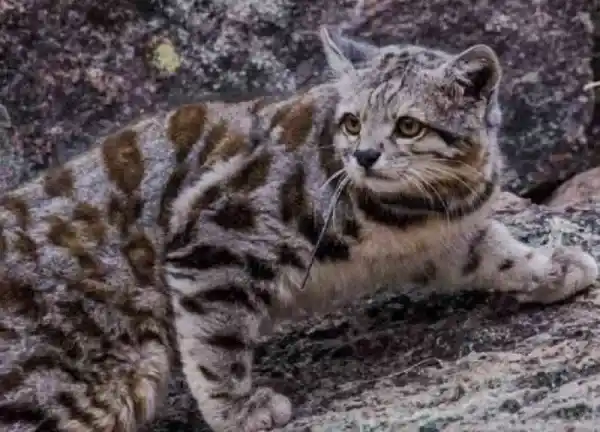
4. Andean wildcat (Leopardus jacobita)
This species inhabits the high-altitude, rocky mountains of the Andes in South America, stretching from Peru to Argentina. Threats they face include poaching (for traditional rituals, folk purposes, or to control livestock predators), prey depletion, and habitat destruction from mining and shale gas development.
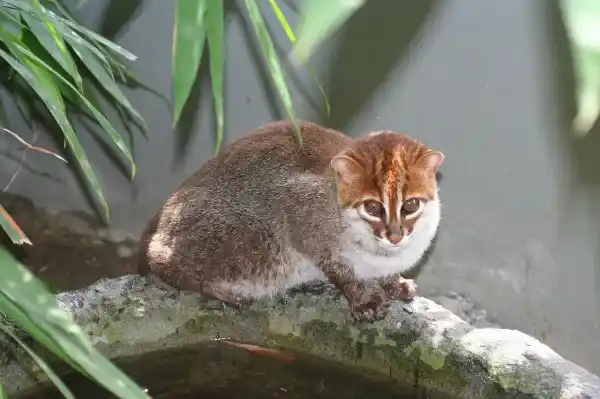
5. Flat-headed cat (Prionailurus planiceps)
The flat-headed cat, which lives in the swamps and wetlands of Malaysia, is known for its distinctive appearance and its near-water habitat. Its habitat has been drastically reduced due to wetland development, urban construction, and timber planting. Limited research data has also led to a lack of effective conservation measures, and in some areas, its fur is even used for decoration.
II. Vulnerable feline species
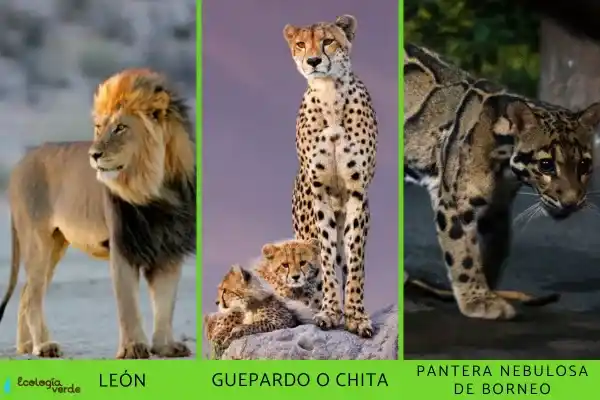
Currently, 13 feline species are classified as "Vulnerable" by the International Union for Conservation of Nature (IUCN), including:
Panthera leo: a symbol of the southern African savanna, whose populations face poaching and habitat loss;
Cheetah (Acinonyx jubatus): the world's fastest running mammal, is being marginalized to extremely small protected areas;
Borneo clouded leopard (Neofelis diardi): a hermit of the tropical forest, also facing the crisis of habitat fragmentation.
These vulnerable species face threats very similar to those faced by the aforementioned endangered felines. Without timely intervention, they could be added to the endangered list within the next few decades.
III. The Main Reasons for the Endangered Status of Felines
The root causes of the endangerment of felines are related to both changes in their living environment and human behavior. The main reasons include:
1. Poaching and Retaliatory Hunting
Because many felines prey on wild animals or domesticated livestock, farmers and herders often hunt them to protect their livestock. Furthermore, their valuable fur makes them targets for the black market trade.
Case Study: Costa Rica successfully reduced feline attacks on livestock by 96% by tying bells to calves and reinforcing livestock fences.
2. Illegal trade in fur and wildlife
Prior to the signing of the Convention on International Trade in Endangered Species of Wild Fauna and Flora (CITES) in 1973, the trade in feline fur was legal. For example, in the 1960s alone, 11,000 legal jaguar pelts from Brazil entered the market, and Mexico exported 15,000 leopard cat pelts.
3. Habitat destruction and development
Deforestation, road construction, and dam projects in the Amazon rainforest have severely fragmented the habitats of wild cats, hindering their foraging and reproduction. For example, there have been numerous cases of jaguars and leopards dying in vehicle collisions in recent years.
IV. Why are felines so important?
As apex predators in the ecosystem, felines have extremely high ecological value:
Ecological indicator species : Their presence indicates that the ecosystem in the area is well maintained;
Maintaining ecological balance : By controlling the population of small and medium-sized herbivores, the stability of the food chain is maintained;
Umbrella effect : For example, each jaguar requires 30 square kilometers of territory, and its conservation program can benefit hundreds of symbiotic species;
A treasure trove of genetic information : The evolution of felines can be traced back 50 million years, and the extinction of each species represents a huge loss of genetic diversity.
V. What else can we do to protect felines?
In addition to national policies, the public can also participate in conservation efforts:
Avoid buying fur products;
Support responsible tourism and certified eco-products;
Strengthen understanding and dissemination of knowledge about endangered animals;
Follow and donate to legitimate feline conservation organizations.
If you would like to learn more about the types, characteristics, and ecological value of felines, please read the article "Types, Characteristics, and Examples of Felines" on our website.
If you enjoyed this article, feel free to share it on social media to raise awareness for endangered felines.
References
Goodrich, J., Lynam, A., Miquelle, D., Wibisono, H., Kawanishi, K., Pattanavibool, A., Htun, S., Tempa, T., Karki, J., Jhala, Y., and Karanth, U. (2015) *Panthera tigris*. IUCN Red List of Threatened Species. Available at: https://www.iucnredlist.org/es/species/15955/50659951
Hearn, A., Brodie, J., Cheyne, S., Loken, B., Ross, J. and Wilting, A. (2016) *Catopuma badia*, IUCN Red List of Threatened Species (online). Link: https://www.iucnredlist.org/es/species/4037/112910221
Iberian Lynx Working Group (2008). Iberian Lynx Conservation Strategy II (Lynx pardinus) (online). Link: https://www.miteco.gob.es/es/biodiversidad/publicaciones/pbl_estrategia_linceii_tcm30-197296.pdf
Rodríguez, A. & Calzada, J. (2015). Lynx: IUCN Red List of Threatened Species (online). Link: https://www.iucnredlist.org/es/species/12520/174111773
Villalba, L., Lucherini, M., Walker, S., Lagos, N., Cossios, D., Bennett, M. & Huaranca, J. (2016) *Leopardus jacobita*. IUCN Red List of Threatened Species (online). Accessible at: https://www.iucnredlist.org/es/species/15452/50657407
Wilting, A., Brodie, J., Cheyne, S., Hearn, A., Lynam, A., Mathai, J., McCarthy, J., Meijaard, E., Mohamed, A., Ross, J., Sunarto, S., and Traeholt, C. (2015) *Prionailurus planiceps*. IUCN Red List of Threatened Species (online). Accessible at: https://www.iucnredlist.org/es/species/18148/50662095
IUCN Red List (2021) Felidae, Red List category: Vulnerable and Endangered (online). Website: https://www.iucnredlist.org/es/search/grid?taxonomies=101738&searchType=species
bibliography
Ceballos, G., List, R., Medellín, R., Bonacic, C., Pacheco, J. (2010) Felinos de América (online). Mexico City: Mexico Telephone. Website: https://bit.ly/3DUME04
Olivier, G. (2005) “El jaguar en la cosmovisión Mexica”, Arqueología Mexicana no. 72, pp. 52-57. (Online). Link: https://arqueologiamexicana.mx/mexico-antiguo/el-jaguar-en-la-cosmovision-mexica
National Geographic (2018) The Mysterious Wildcat of Borneo (online). Link: https://www.ngenespanol.com/naturaleza/el-misterioso-gato-salvaje-de-la-isla-de-borneo/
Soto, M. (2016) 59 farms reduced feline attacks on livestock by 96% (online). Link: https://www.nacion.com/ciencia/medio-ambiente/59-fincas-redujeron-en-96-los-ataques-de-felinos-a-ganado/K46TM7R44ZHW5NJVWH6LM6AK7I/story/