Fish are the most diverse, oldest, and most varied group of vertebrates. Due to their wide species diversity, their life cycles exhibit diverse forms and patterns. This article will systematically summarize the various stages of the fish life cycle and their diverse reproductive methods, helping you to fully understand the growth and reproduction process of fish.
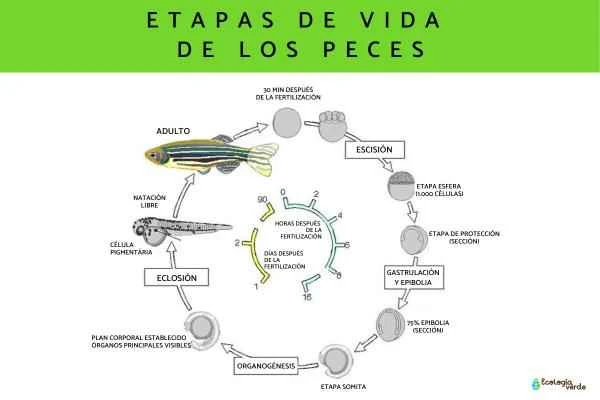
Table of contents
Overview of the fish life cycle
Reproduction methods of adult fish
Fish egg stage
Fish fry stage (juvenile fish)
Juvenile fish stage
adult fish
Adult fish: Reproduction methods and sex differentiation
Adult fish are usually divided into two sexes, called "heterogeneous fish," meaning that males and females are separate. However, some fish are hermaphroditic (having both male and female reproductive organs), some possessing both sex organs at the same time, and others being able to change sex at a certain stage of their life.
Fish reproductive behaviors are diverse, mainly including the following:
Polygamy : A male or female has multiple mates, usually without parental care, and lays a large number of eggs.
Polygamy : A system in which a person of one gender has multiple partners of the opposite sex through mate selection.
Monogamy : Choosing a single partner, which may be a long-term or short-term relationship, and is accompanied by parental care.
The main fertilization methods in fish are:
Intraoral fertilization : After laying eggs at the bottom, the female fish collects the eggs in her mouth for fertilization.
Internal fertilization : The male fish injects sperm directly into the female fish's body through its reproductive organs.
In vitro fertilization (most common): Male and female fish release sperm and eggs simultaneously into the water for fertilization.
Depending on the method of fertilization, the embryonic development morphology also varies:
Oviparous : Eggs are laid through in vitro fertilization, and the embryo develops inside the egg.
Viviparous : Through internal fertilization, the embryo develops inside the mother's body and is directly born as a fry.
Ovoviviparous : Fertilization occurs inside the body, and the embryo hatches inside the mother's body before giving birth to fry.
Fish egg stage
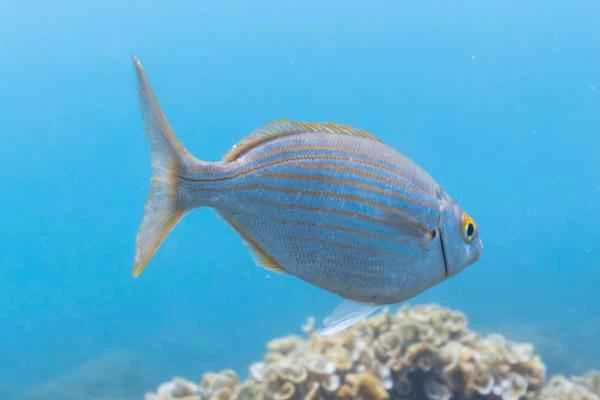
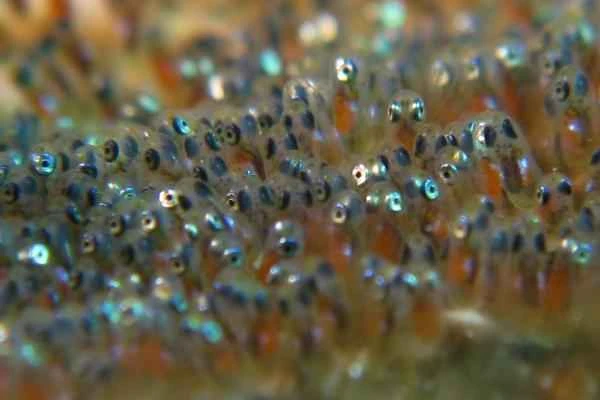
During external fertilization, fish lay eggs. The eggs can sink to the bottom or float in the water column. Sinking eggs are usually larger and attach to rocks or plants on the bottom; floating eggs are smaller and drift with the current, becoming part of plankton.
Parental protective behaviors account for about 30% of fish species, mainly freshwater fish, including incubation and protection of larvae from predation.
Fish fry stage (juvenile fish)
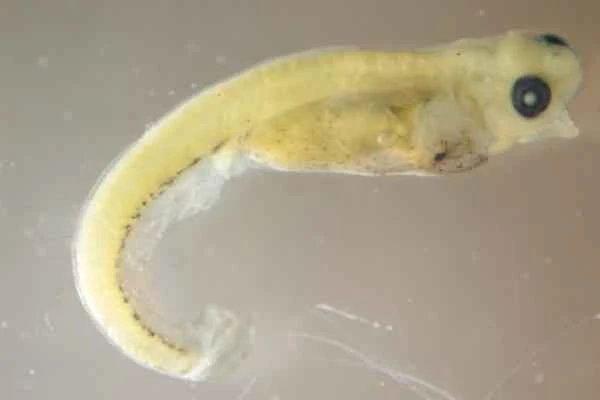
After hatching, the fish eggs enter the fry stage, which is about 1 mm in length. They are very fragile and rely on the yellow sac in their abdomen for nutrition. The survival rate at this stage is extremely low, and it is usually the stage with the highest mortality rate in the fish's life cycle.
Juvenile fish stage
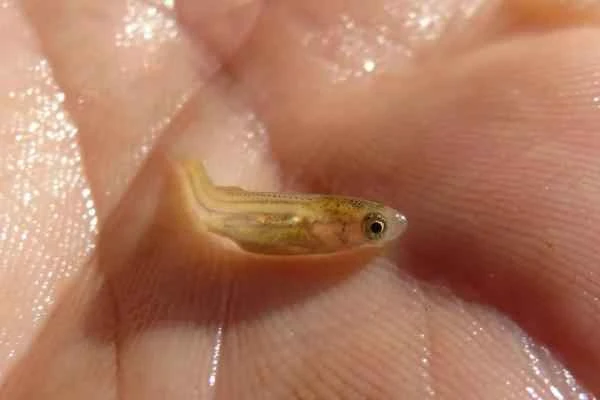
As the fry grow into juvenile fish, their fins develop and they acquire some swimming and evasive abilities. Juvenile fish often hide among aquatic plants, corals, or algae, learning to adapt to the underwater environment.
Adult fish stage
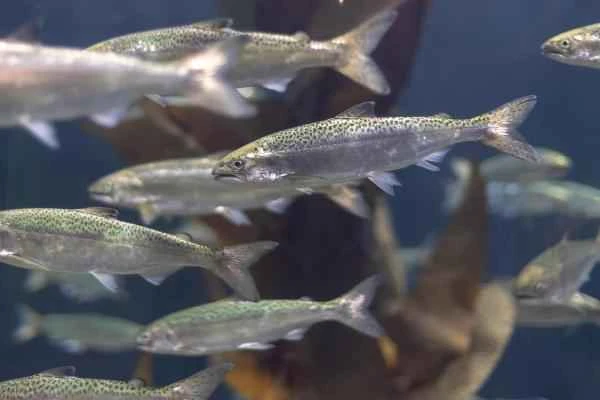
Some fish undergo internal fertilization, and the juveniles are born fully formed, without eggs or fry. Adult fish reach physical maturity, their gonads are fully developed, and they enter the reproductive period.
Fish have complex and diverse life cycles, adapting to various ecological environments. Understanding the fish life cycle not only helps protect fish resources but also promotes aquaculture and ecological management.
If you are interested in the life cycle of fish, please continue browsing related articles under the "Wildlife" category.
References
Vásquez-Yeomans, L., Leyva-Cruz, E., and Valdez-Moreno, M. (2017). Eggs and larvae in the life cycle of fish. ECOfronteras, 17-18.
Laboratory of Conservation Biology, National Institute of Marine and Environmental Sciences, Mérida, Autonomous University of Mexico (undated). Biological Oceanography: Swimming Organisms. Access link: http://www.biocon.unam.mx/docencia/oceanografia-biologica/necton.pdf