To be a qualified sled dog, one must not only have good eating habits and be a non-picky eater, but also possess a thick coat to withstand the harsh environment. In addition, excellent judgment, agile running ability, and amazing stamina are also necessary. So, which dog breeds are naturally suited for pulling sleds?
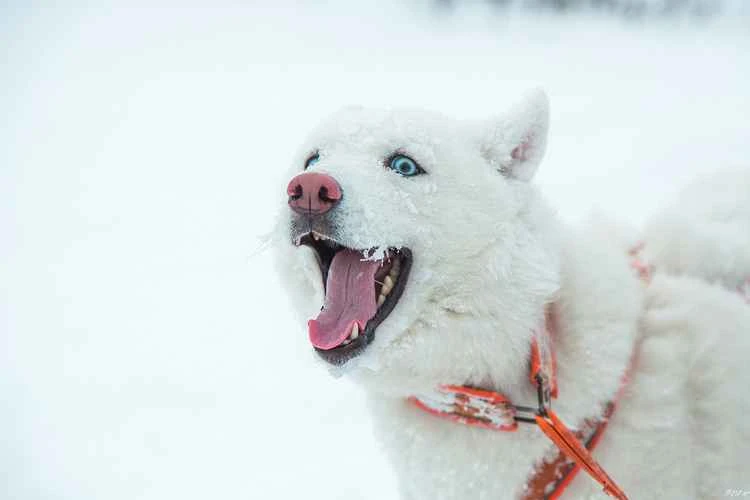
I bet you don't like snow as much as I do!
Today we'll take a look at the world's ten most famous sled dog breeds, including: Alaskan Malamute, Siberian Husky, Eskimo Dog, Greenland Dog, Samoyed, Inuit Dog, and Chinook. These breeds are not only strong and handsome in appearance, but also possess exceptional snow-based survival and working abilities. Let's learn more about them!
1. Alaskan Malamute (double coat for waterproof and warmth, sturdy build, muscular)
The Alaskan Malamute is one of the most classic and well-known sled dog breeds. Long before sledding, the Malamute people of the Arctic had already bred this strong, cold-resistant breed, well-suited for long journeys through snow. They used Alaskan Malamutes not only to pull sleds but also to assist in hunting large wild animals such as polar bears and wolves.
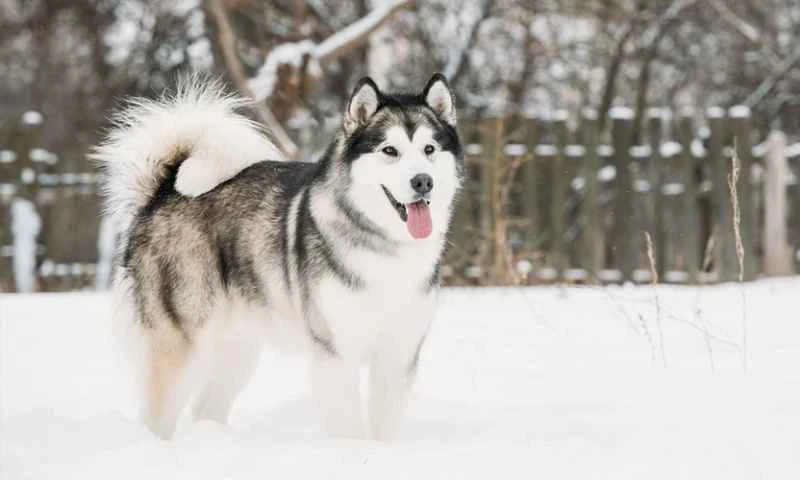
Among the "three treasures of sled dogs," the Alaskan Malamute is the largest. They have strong, muscular limbs and are known for their endurance, making them better suited for long-distance snow transport tasks than for running speed. Alaskan Malamutes possess a dense, highly polar-adapted double coat, allowing them to maintain body temperature and function normally even in extremely cold weather.
Even though urban life has replaced sled transport, many dog lovers still hope that this ancient "skill" can be passed down. Therefore, in countries such as the United States and the United Kingdom, dog sled (or cart) competitions are still held every year, allowing Alaskan Malamutes to still demonstrate the resilience and strength left by their ancestors in modern life.
2. Husky (double coat, cold-resistant, energetic)
The Siberian Husky, scientifically known as the Siberian Husky, is the most popular and well-known of the three major sled dog breeds. They possess a dense double coat, which not only effectively protects them from extremely cold climates but also provides excellent insulation. Huskies are a medium-sized breed with a relatively mild odor and are highly adaptable to cold climates.
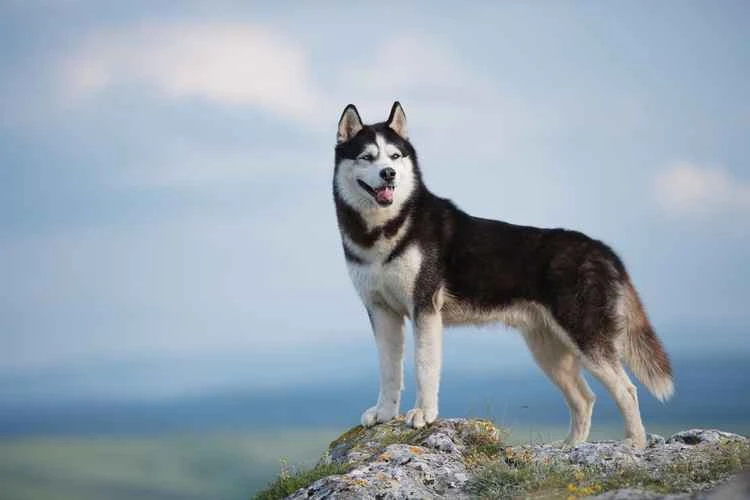
This breed was originally bred for pulling sleds, especially in polar environments, for tasks such as mail delivery, cargo handling, and pulling wagons. Historically, the Winter Olympics have included sled dog events, and the Husky has been one of the most common and outstanding competing breeds.
Moreover, Huskies are lively and handsome, and are loved by dog lovers all over the world. They are now not only working dogs on the snowy plains, but also new pets in cities.
3. Eskimo Dog (Canadian sled dog, with amazing pulling capacity)
The Inuit, renowned as one of the finest sled dogs, originated in Eastern Siberia and is a typical Arctic breed. This breed possesses an exceptional ability to adapt to extremely cold environments; even in icy conditions as low as -50°C, they can resiliently survive and reproduce, demonstrating remarkable vitality.
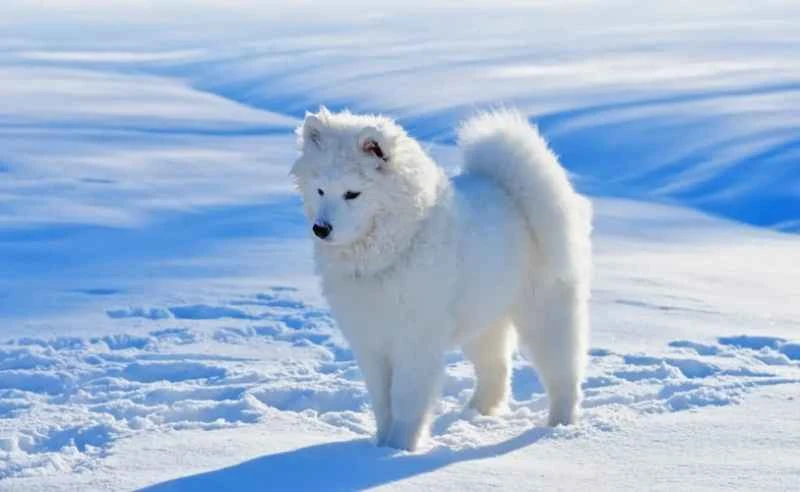
By day, they are the most reliable assistants to northern hunters, pulling sleds to transport goods and helping to hunt seals; by night, they transform into warm "hot water bottles," keeping their owners warm and comfortable. They also have the duty of guarding the camp, bravely driving away musk oxen or polar bears that stray into the camp.
Eskimo dogs are known for their hard work and endurance, and are considered one of the most capable dog breeds in terms of carrying loads. An adult Eskimo dog can drag tens of kilograms of weight, playing an irreplaceable role in the harsh natural environment of the Arctic.
4. Greenlandic Dog (robust build, energetic, and with great stamina)
Around 12,000 years ago, a type of wild wolf in Siberia was gradually domesticated, eventually evolving into the Greenlandic dog we know today. Originally used as an important means of transportation and sometimes as a hunting dog, it is an indispensable part of the lives of the Inuit people of Greenland.
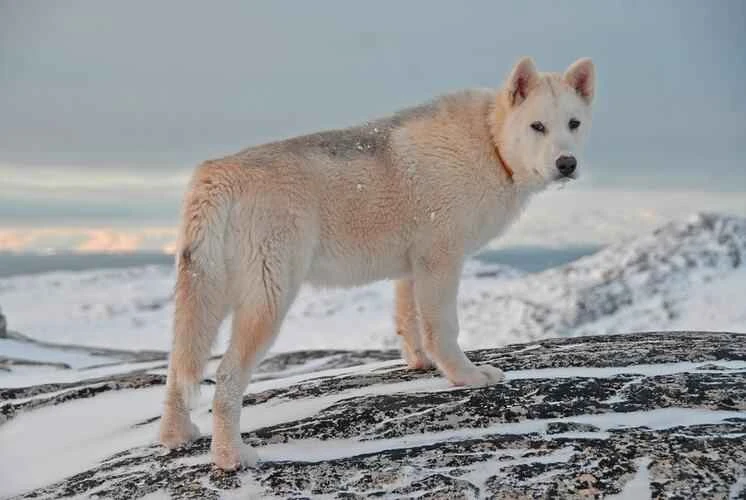
The Greenlandic dog is widely considered one of the finest sled dogs. While gentle and friendly, it possesses remarkable resilience, capable of enduring overnight conditions even in the Arctic's sub-zero temperatures. In addition to its exceptional cold resistance, it boasts a superb sense of direction and extraordinary stamina, making it an invaluable working dog breed in polar regions.
5. Samoyed (warm and waterproof fur, long-lasting stamina)
Today, as Samoyeds have gradually become popular pets in many households, many people have forgotten that they were also excellent sled dogs. Originally bred by the Samoyedic people, the indigenous inhabitants of Siberia, Samoyeds are noble and elegant in appearance, with a thick coat of pure white double coat. Not only are they outstanding in appearance, but they also inherited their ancestors' remarkable ability to pull sleds in the polar environment.
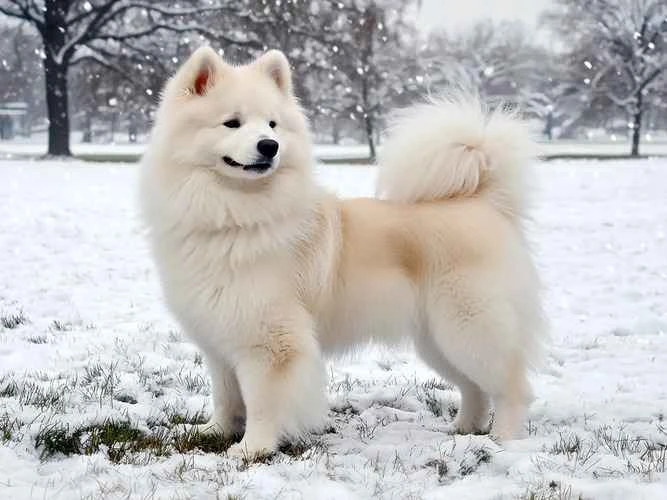
Samoyed: I'm great, I know.
The Samoyed's skeletal structure consists of approximately 225 to 230 bones, providing both strong support and effective protection for internal organs. Its well-developed muscles and exceptional stamina give it remarkable endurance, enabling it to run continuously for tens of kilometers on snow-covered surfaces.
For example, in a sled rally held near the Arctic, a sled team of more than ten Samoyed dogs pulled hundreds of kilograms of supplies for a long time in an extremely cold environment of minus 40°C. They could continue to move forward with only very short rests each day, fully demonstrating their strong capabilities as working dogs.
6. Inuit Dog (extremely cold-resistant and hardworking)
The Inuit is one of the ten classic sled dog breeds. It has the bloodline of the Arctic wolf, is large and strong, and has a strong ability to withstand cold. Even in temperatures of tens of degrees below zero, a few dogs can sleep soundly together without fear of the cold.
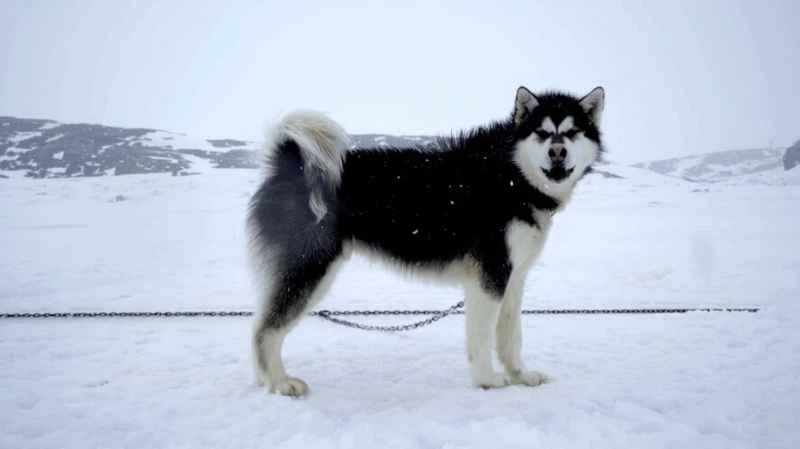
For the Inuit people living in the Arctic, dog sleds are not just a means of transportation, but also vital partners for their survival. Without these dogs, hunters would be unable to trek across the vast ice fields to hunt or transport supplies. These loyal snow companions not only assist in hunting, but also provide early warnings in times of danger, and even help their owners orient themselves and find their way home.
Besides pulling sleds in winter, they can also carry goods in summer. In western Inuit communities, these dogs are even used to tow small boats, acting as "watermen," making them among the best of all-around working dogs.
7. Chinook (double coat, incredible stamina, fast speed)
The Chinook is a famous sled dog breed, first developed in the United States in the early 20th century specifically for sled transport, and is a typical working dog. This breed was developed through crossbreeding with several breeds, including the Eskimo Dog, the St. Bernard, and the Belgian Shepherd, and also has some blood relation to the Siberian Husky.
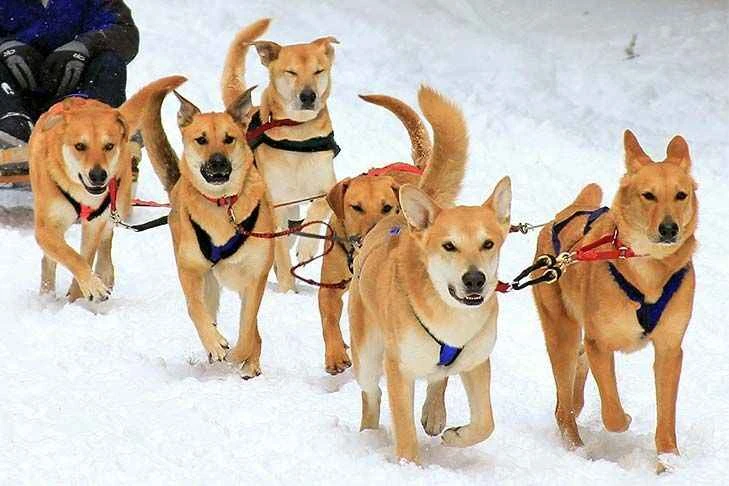
The Chinook has a thick, double coat that lies close to its body. The outer coat is straight, hard, and elastic, while the undercoat is dense and soft, providing excellent warmth and protection against the cold, making it ideal for heavy-duty work in cold environments. Its forelegs are strong and powerful, and its hind legs are muscular, giving it both excellent pulling power and a certain running speed, perfectly combining the robust endurance of a cargo dog with the agility and speed of a sled racing dog.
8. Sakhalin Dog (Japanese Sled Dog, known for its high endurance)
Among all sled dog breeds, the Sakhalin dog is a highly representative breed. Originating in Japan, it is the only native Japanese sled dog. Sakhalin dogs are mainly distributed on Sakhalin Island, Hokkaido, and surrounding islands. In recent years, a small number of families in Aomori Prefecture and other areas in northern Honshu have also kept them as pets.
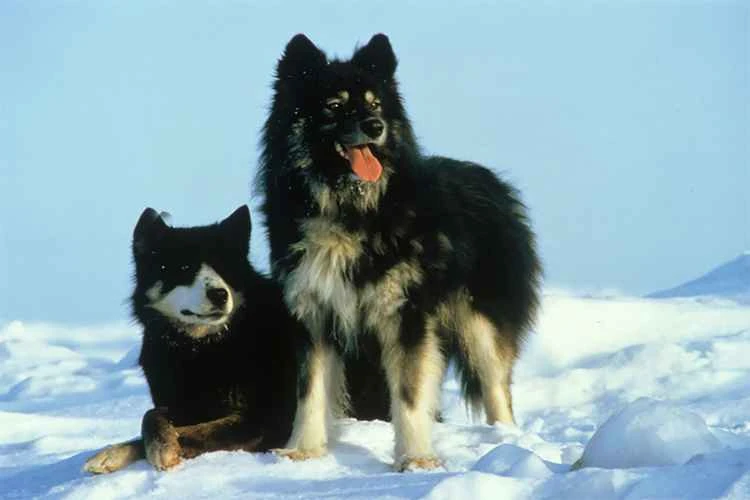
Taro and Jiro in the movie "Antarctica" (1983).
The Sakhalin dog's fame is closely linked to Japan's Antarctic expeditions in the 1950s. In 1957, Japan established its first research base in Antarctica, the "Showa Base." In addition to the research team, Japan also brought 15 Sakhalin dogs as sled dogs to assist in the transport of supplies. This feat made the Sakhalin dog famous and it became an indispensable part of Japan's Antarctic exploration history.
9. Norwegian Elkhound (Strong build, double coat)
Among sled dog breeds, the Norwegian Elk is undoubtedly a captivating presence, and one of my personal favorites. They are robust, muscular, and possess strong, clean lines, exuding the spirit of a "mountain warrior." As an excellent hunting dog, the Norwegian Elk is naturally brave, lively, and possesses a tenacious will.
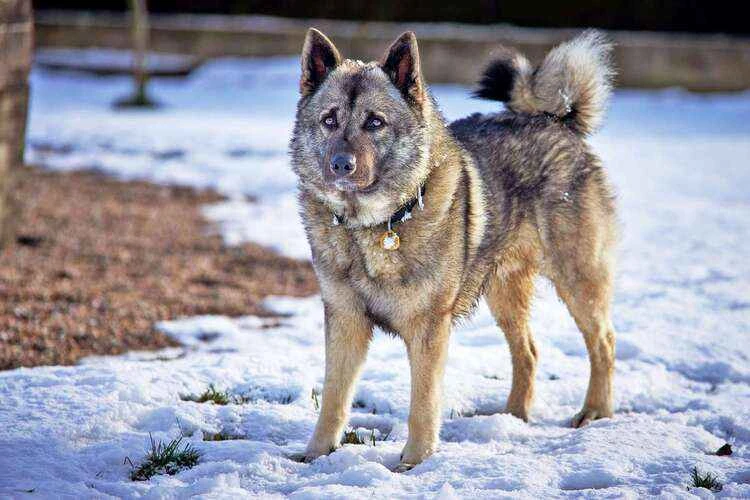
This breed excels at tracking moose and other large prey, driving them into a corner with persistent barking while skillfully evading counterattacks. Norwegian Elk possess an exceptionally keen sense of smell, capable of pinpointing the scent of prey even from kilometers away and quickly tracking it down. They have remarkable stamina, allowing them to work for extended periods in a variety of complex climates and rugged terrains.
Besides hunting elk, Norwegian Elk are also adept at hunting wild animals such as bears and lynxes. Due to their stable temperament and working abilities, they are not only excellent sled dogs but also make wonderful family companions.
10. Great Pyrenees (double coat, powerful)
The Great Pyrenees is a robust and well-proportioned dog with a dignified and imposing presence, seemingly born with a regal air. It possesses a calm and confident temperament, gentle yet alert, loyal and responsible, making it a versatile working dog that combines strength and intelligence. In various climates, the Great Pyrenees steadfastly performs its duties.
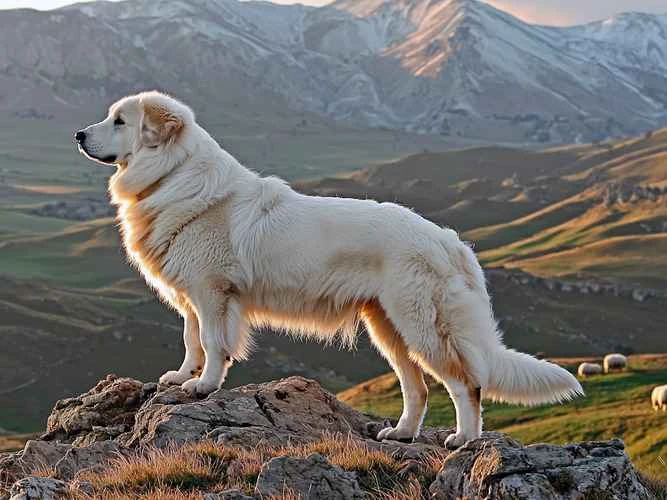
On ranches, it is an excellent sheep-herding assistant; as a guard dog, it effectively protects the safety of the family and its owner; and in snow-covered areas, it is not only a reliable cargo helper and sled dog, but can even serve as a snow guide. Due to its natural talent for pulling sleds and its adaptation to snowy terrain, the Great Pyrenees plays a highly valuable role in winter sports. Whether pulling sleds or leading a sled team, it can complete the task steadily and easily, providing solid support for humans.
Other dog breeds that can pull sleds:
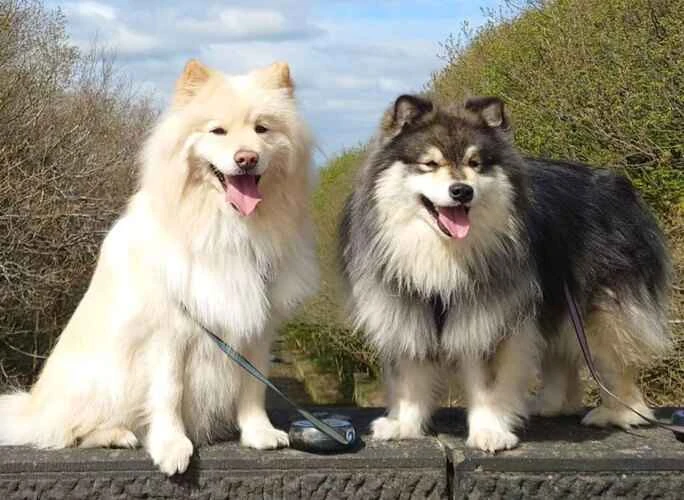
Finnish Lappa
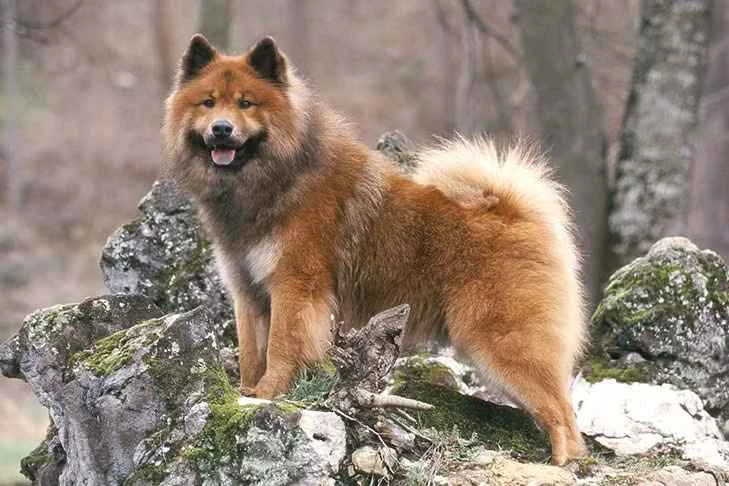
Eurasian Dog
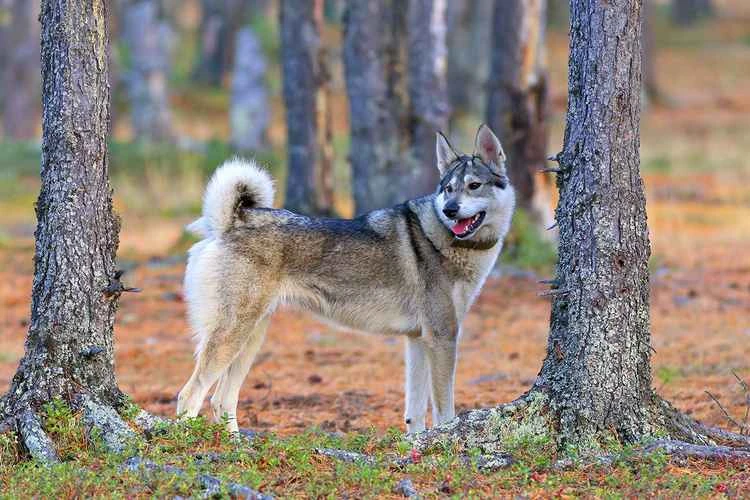
East Siberian Laika
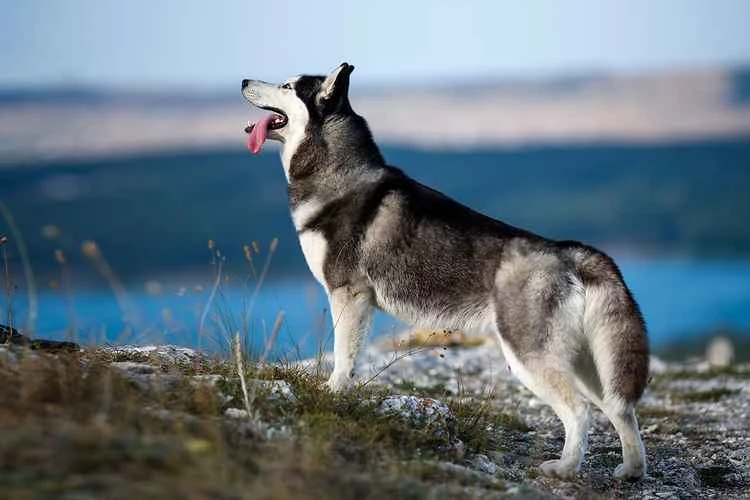
Siberian Husky: My ancestors were wolves, woof!
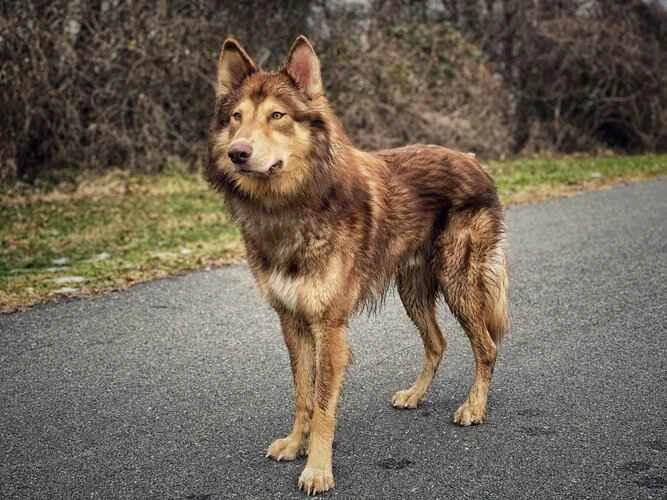
Tamaskan Wolfhound
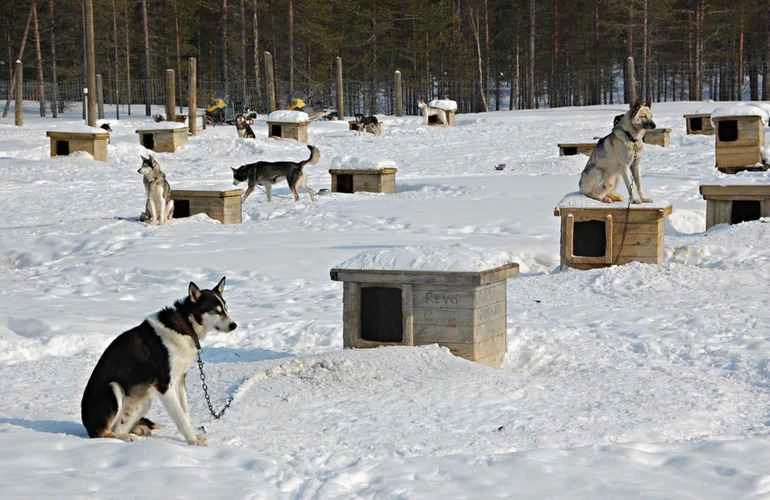
Siberian Husky
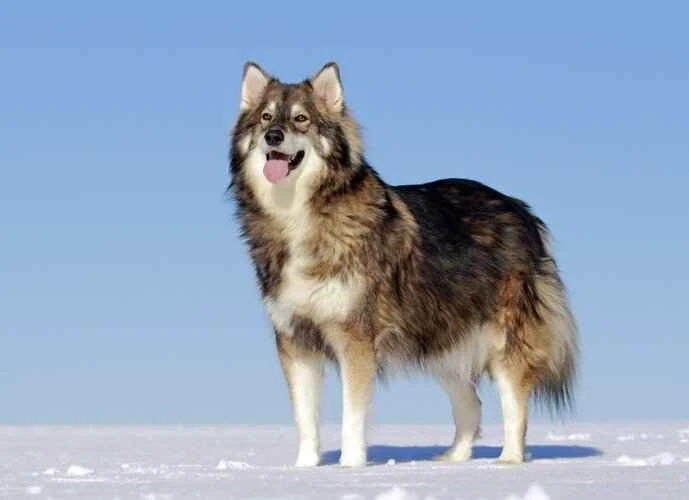
Northern Inuit dogs, etc.
The list of the world's 10 most famous sled dog breeds is primarily based on their cold tolerance, athleticism, endurance, stamina, and popularity, and also takes into account relevant internet rankings. This list is for entertainment purposes only!