Owls are nocturnal birds of prey belonging to the order Strigiformes. Renowned for their exceptional night vision, silent flight, and sharp talons, they are highly skilled hunters. Their diets vary depending on species, habitat, and prey availability. This article explores what owls eat, their hunting strategies, and how their diet impacts ecosystems.
1. What do owls eat?
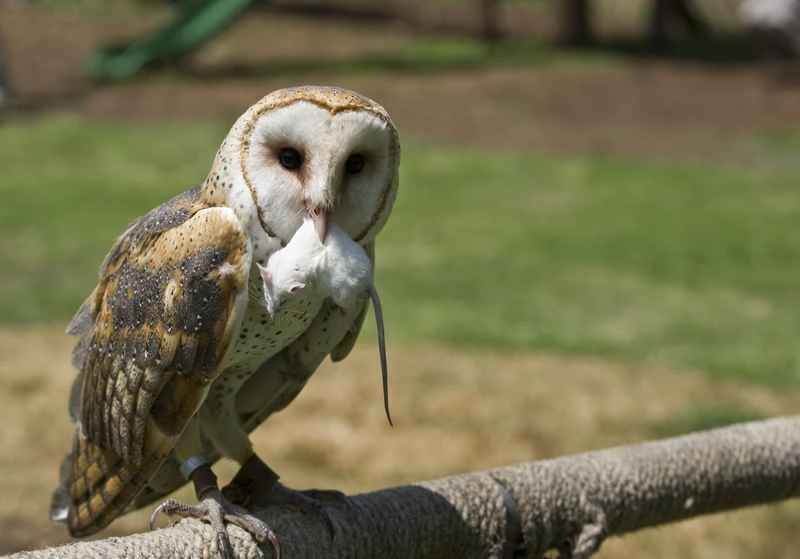
Owls are carnivorous , primarily hunting small animals. Their diet includes:
(1) Small mammals (the main food source for most owls)
Rodents : mice, voles, shrews, and squirrels.
Rabbits and hares : Larger owls, such as the great horned owl , prey on rabbits and hares.
Bats : Some species, such as barn owls , occasionally prey on bats.
(2) Birds
Songbirds and small birds : Some owls, such as the Northern Eagle Owl , prey on finches, sparrows, and other small birds.
Large birds : Eurasian eagle owl and great horned owl may prey on ducks, pheasants, and even smaller birds of prey.
(3) Reptiles and amphibians
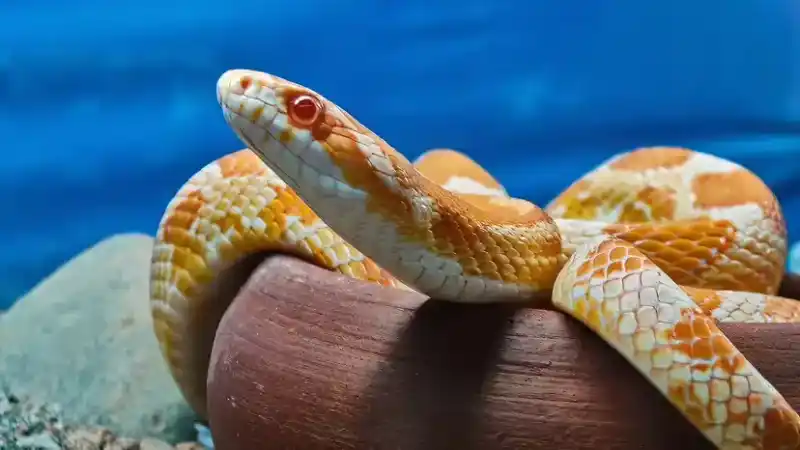
Snakes and lizards : Owls in warmer climates, such as burrowing owls , prey on reptiles.
Frogs and toads : These are common prey for owls in wetland environments.
(4) Insects and invertebrates (small owls are common)
Beetles, moths, crickets, grasshoppers : Small owls like little owls primarily feed on insects.
Spiders, scorpions, and worms : Some owls prey on invertebrates when other prey is scarce.
(5) Fish and aquatic prey (unique to some owls)
Fish, crayfish, and amphibians : Owls such as the Mauricey's fish owl and the African fish owl are adept at catching fish from rivers and lakes.
2. Hunting and foraging behaviors
(1) Night Hunting Skills
Most owls hunt at night, using their excellent low-light vision and keen hearing to detect prey.
(2) Silent flight
Owls have special wing feathers that reduce noise, allowing them to approach their prey stealthily without being detected.
(3) Powerful claws and beak
Owls use their sharp talons to catch their prey, crushing or killing them instantly.
They use their hooked beaks to tear their prey apart and then swallow it.
(4) Swallow the prey whole
Smaller prey (such as mice) are swallowed whole.
The indigestible parts (bones, fur, feathers) are then ruminated in pellet form.
3. Dietary differences among different owl species
| Owl species | Main diet | Habitat |
|---|---|---|
| Barn Owl ( Tyto alba ) | Mice, field mice, birds, insects | grasslands, farms, and woodlands |
| Great Scops Owl ( Bubo virginianus ) | Rabbit, skunk, bird, snake | Forests, deserts, cities |
| Snowy Owl ( Bubo scandiacus ) | Lemmings, Arctic hares, seabirds | Arctic tundra |
| Burrowing Owl ( Athene cunicularia ) | Insects, lizards, small mammals | open grasslands and deserts |
| Maori fish owl ( Bubo blakistoni ) | Fish, amphibians, crustaceans | Rivers, forests |
4. Conclusion
Owls are versatile and efficient hunters, with their diet ranging from rodents and birds to insects and fish , depending on their species and habitat. Their hunting abilities make them important predators in ecosystems, controlling rodent populations and maintaining the balance of the food chain.