Capuchin monkeys are widely popular for their intelligence, agility, and sociality. As one of the most beloved pet monkeys, they are highly sought after for their adorable appearance and playful behavior. However, owning a capuchin monkey is not suitable for everyone. This article will help you understand the various responsibilities and challenges of keeping a capuchin monkey, including their living needs, behavioral habits, and dietary requirements.
Introduction to capuchin monkeys
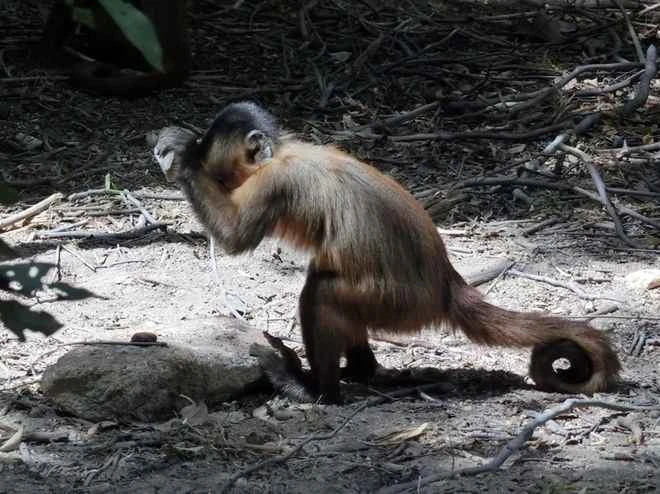
Capuchin monkeys belong to the family Cercopithecidae in the order Primates and are native to Central and South America. These monkeys are easily recognizable by their distinctive appearance, especially the light-colored "cape" of fur on their shoulders and the dark fur on their heads. Capuchin monkeys are very intelligent and highly social, making them one of the most fascinating species.
The uniqueness of capuchin monkeys
Physical characteristics of capuchin monkeys
Size and weight: Adult capuchin monkeys weigh between 3.5 and 9 pounds and are about 16 to 24 inches long (excluding the tail).
Coat color: Their fur is usually brown or light brown, with lighter fur on the face and shoulders.
A tail with grasping ability: Their tails are very long and strong, with grasping ability, which can be used to grasp objects like hands, increasing their flexibility.
Intelligence and social behavior
Capuchin monkeys are highly intelligent and can use tools to solve complex problems.
They typically live in groups, led by a single male monkey, and the relationships within the troop are very close.
Capuchin monkeys are highly social animals and need to interact and communicate with other monkeys or humans.
Requirements for raising capuchin monkeys
1. Legal considerations
Before deciding to keep a capuchin monkey, it's crucial to understand the primate laws in your area. Many places have strict laws regarding pet monkeys, which may require a special permit, and some areas even completely prohibit the private keeping of wild animals. Be sure to check your local laws to ensure you meet the relevant requirements.
2. Time and Commitment
Capuchin monkeys have long lifespans, typically living 30-40 years in captivity, meaning they require a long-term commitment. Caring for capuchin monkeys demands a significant amount of time and effort, including daily feeding, cleaning, and providing social interaction.
Time commitment: Several hours need to be spent each day caring for them.
Training: Capuchin monkeys are very intelligent, and training is necessary, otherwise they may become naughty or even destructive.
Capuchin monkey's space and habitat
1. Indoor and Outdoor Living
Although capuchin monkeys typically live indoors, they require a spacious and stimulating environment to mimic their natural habitat. You'll need to create a suitable indoor space for them, including ample vertical climbing structures, toys, and hiding places. If they live outdoors, the enclosure must be secure, sturdy, and able to withstand harsh weather conditions.
2. Suitable fencing
Capuchin monkeys need an enclosure at least 6 feet high, with enough space for them to climb, swing, and move freely. Because they are very intelligent, cabinets, refrigerators, and other similar items in the home need to be properly secured to prevent them from running around.
3. Social interaction and environmental enrichment
Capuchin monkeys are highly social animals. Without sufficient stimulation, they easily become bored and may exhibit destructive behavior. Provide them with a variety of toys, puzzles, and regular interaction.
diet and nutrition of capuchin monkeys
1. Balanced diet
In the wild, capuchin monkeys have a very diverse diet, including fruits, insects, small animals, and nuts. In captivity, their diet should include fruits, vegetables, nuts, seeds, and specially formulated pelleted feed to ensure they receive all the necessary nutrients.
Fruits and vegetables: These should make up the main part of your diet, and should be varied and fresh.
Protein sources: Although capuchin monkeys in the wild eat some animal protein, such as cooked eggs or insects, they should consume it in moderation at home.
2. Avoid harmful foods
Capuchin monkeys cannot eat chocolate, caffeine, alcohol, or foods high in fat or salt. These foods are extremely harmful to their health and should be avoided.
Behavioral Expectations and Training
1. Socialization and Connection Building
Capuchin monkeys are highly social animals and develop deep bonds with their owners. Early socialization is crucial to ensure they adapt to different people and environments. As their owner, you need to provide them with ample opportunities for interaction and treat them like family members.
2. Behavioral Challenges
Capuchin monkeys are very intelligent and curious, which can lead to behavioral challenges. Without sufficient stimulation, they may become destructive or even exhibit aggressive behavior, especially when entering puberty or feeling threatened.
Destructive behaviors: They may tear up furniture, climb on kitchen countertops, or do other inappropriate things.
Aggressive behavior: Capuchin monkeys may exhibit territorial behavior or become aggressive when threatened.
3. Training Techniques
Positive reinforcement is the most effective method for training capuchin monkeys. Use rewards, verbal praise, and toys to encourage them to perform the correct behaviors. Consistency and patience are key to managing their behavior.
Health and Veterinary Care
1. Regular inspections
Capuchin monkeys need regular checkups with experienced veterinarians to monitor their health. They are susceptible to various diseases, such as parasites, dental problems, and malnutrition.
Parasite control: Regular deworming is essential for maintaining the health of monkeys.
Oral care: Like other primates, capuchin monkeys require regular oral care to prevent tooth decay or gum disease.
2. Common Health Problems
Capuchin monkeys may experience some health problems, including:
Obesity: Because they love to eat, capuchin monkeys are prone to becoming overweight if they do not have proper dietary control and exercise.
Respiratory infections: Capuchin monkeys are more sensitive to cold or damp environments and may be prone to respiratory problems.
Skin problems: If your skin is red or has other uncomfortable symptoms, you should have it checked regularly.
Emotional needs of capuchin monkeys
1. Mental health
Capuchin monkeys need regular mental stimulation to prevent anxiety or depression. These intelligent monkeys are healthier when they have sufficient intellectual challenges and social interaction.
Toys and Puzzles: Provide interactive toys or brain teasers to help keep their minds active.
Companionship: Capuchin monkeys should not be left alone for long periods of time; their emotional needs require long-term companionship from their owners.
2. Social Needs
Capuchin monkeys are very social, and prolonged isolation can lead to loneliness or behavioral problems. As their owner, you need to ensure their social needs are met and interact with them frequently.
Conclusion: Is keeping a capuchin monkey right for you?
Owning a capuchin monkey is a huge responsibility, requiring time, energy, and a deep commitment. While these intelligent, social animals can make incredibly attractive and loving companions, they are not for everyone. Before deciding to keep a capuchin monkey, it's important to fully understand their physical, emotional, and social needs. If you are prepared to provide them with the right environment, care, and attention, a capuchin monkey can be a joyful companion for many years to come.