Many fish enthusiasts encounter the problem of green aquarium water, usually due to the proliferation of algae. Algae not only affects water quality but can also negatively impact the health of fish. So, how do you solve the problem of green aquarium water? This article will provide detailed solutions, including water quality management, methods for cleaning algae, and preventative measures, to help you restore clear water.
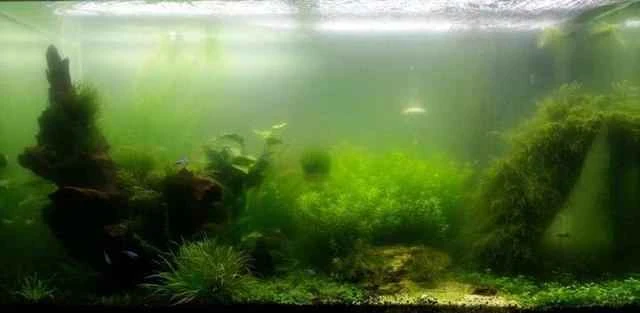
Reasons for green water in aquariums: Why does green algae appear?
Before discussing solutions, we first need to understand why aquarium water turns green. The main reason for green aquarium water is the proliferation of phytoplankton. According to Zhang Junming (2019), green algae growth is usually due to the abundance of nutrients in the water, especially nitrates and phosphates. These nutrients often come from fish excrement, leftover food, and bottom debris that is not cleaned in a timely manner.
Excessive light: Prolonged and intense light can promote algae growth. Especially in the absence of shading measures, direct sunlight or artificial light can lead to the proliferation of algae.
Excessive nutrients: Too many fish in the aquarium, too much food, or an inadequate water filtration system can all lead to an increase in the concentration of nitrates and phosphates in the water, promoting the growth of green algae.
Poor water flow: If the water flow is too slow or the water quality is not good, algae will accumulate in the water, causing the water to turn green.
The best way to solve the problem of green water in a fish tank
There are many effective solutions to the problem of green algae in aquariums. Here are some common and scientifically sound methods that can help you effectively remove algae and prevent them from growing back.
1. Adjust the duration and intensity of light.
Excessive light is one of the main factors causing green algae growth; therefore, controlling the duration and intensity of light is the first step in solving the problem of green aquarium water. According to Li Xiaohui (2021), maintaining aquarium lighting for 6 to 8 hours per day and avoiding direct sunlight is recommended. For artificial light sources, it is suggested to choose specialized aquarium lights, which provide adequate illumination while minimizing stimulation to algae growth.
Avoid direct sunlight: If the fish tank is placed in a location with direct sunlight, you can adjust its position or use curtains to block the sunlight.
Use a timer: Use a timer to control the duration of illumination and maintain the regularity of the illumination cycle.
2. Change the water regularly to keep it clean.
Regularly changing the water is a fundamental method for maintaining clean water quality, effectively reducing pollutants and nutrients in the water, thereby inhibiting the growth of green algae. Wang Lei (2018) points out that the accumulation of organic matter and waste in the water is the root cause of green algae growth. Changing 20% to 30% of the water volume weekly helps maintain stable and clean water quality.
Clean the bottom debris: Use an aquarium vacuum cleaner to remove fish waste, uneaten food, and other organic matter from the bottom of the aquarium to prevent them from releasing harmful substances after decomposition.
Check the filtration system: Regularly check the aquarium filter to ensure it is working properly and to prevent the accumulation of pollutants in the water.
3. Increase the efficiency of the aquarium filter.
Aquarium water filters help remove impurities from the water and reduce the concentration of harmful substances. **Chen Xiaodong (2020)** suggests that choosing a filter suitable for the size of your aquarium and your water quality needs is very important. A good filter can not only remove solid impurities from the water, but also effectively decompose organic matter in the water, preventing it from becoming a nutrient source for algae growth.
Use a highly efficient biological filtration system: Biological filtration can break down ammonia and nitrates in the water through beneficial bacteria, preventing these substances from providing nutrients for green algae.
Use a UV sterilizer: UV sterilizers can effectively kill planktonic algae in the water and reduce the growth of green algae.
4. Use water conditioners or algae removers.
There are many aquarium products on the market that can help clean up green algae. Zhao Ling (2021) mentioned that water conditioners and algae removers can quickly reduce the density of green algae in the water, but these chemical products should be used with caution to avoid harming fish and aquarium plants.
Algae removers: Algae removers usually contain ingredients that can inhibit algae growth. When using them, you need to follow the instructions and avoid using too much.
Water conditioners: Some water conditioners can balance the minerals and pH in the water, improve water quality, and help reduce the growth of green algae.
5. Increase the number of aquatic plants.
Aquatic plants can effectively absorb nutrients from the water, especially nitrates and phosphates, which are the main sources of green algae growth. According to Li Hong (2019), increasing the number of aquatic plants can not only beautify the fish tank but also inhibit the growth of green algae. Common aquatic plants such as water hyacinth, duckweed, and other aquatic plants are all good helpers in absorbing nutrients.
Choose suitable aquatic plants: Select aquatic plants that grow quickly and do not require much light. These plants can effectively compete for nutrients in the water, thereby inhibiting the growth of algae.
Long-term measures to prevent aquarium water from turning green
After resolving the current algae problem, how can we prevent it from recurring? Here are some preventative measures to help maintain clear aquarium water.
1. Feed fish properly and avoid excessive food waste.
Excessive food residue is one of the main causes of green algae growth. Wang Zhiqiang (2022) pointed out that it is important to regularly check the amount of food the fish eat and control the amount of food fed to avoid too much uneaten food rotting in the water, thereby reducing the nutrients in the water.
2. Regularly inspect the aquarium equipment to ensure it is functioning properly.
Managing aquarium water quality involves more than just daily water quality control; it also requires regular checks of aquarium equipment. Ensure that filters, heaters, and other equipment are functioning properly to prevent equipment malfunctions that could lead to water quality deterioration.
Summary: The best way to solve the problem of green water in aquariums
Green algae in aquariums is a common problem, but it can be effectively solved through scientific management. Adjusting lighting, regularly changing the water, using suitable filtration equipment, and adding aquatic plants can all help clear algae and restore clear water quality. At the same time, proper feeding and regular checks of aquarium equipment are long-term methods to prevent algae growth.
References:
Zhang Junming (2019). Aquatic Environment Management: Theory and Practice. Aquatic Publishing House.
Li Xiaohui (2021). Aquatic Biology. Modern Press.
Wang Lei (2018). Management and maintenance of aquarium water quality. Journal of Pet Care.
Zhao, Ling (2021). Use and Management of Aquarium Chemical Regulators. Journal of Aquarium Research.