In a cat's growth process, the estrus cycle is a very important and crucial physiological stage. Especially for pet owners of female cats, understanding the behavioral characteristics and physiological changes of a female cat during estrus not only helps in better caring for her cat but also prevents some unnecessary problems. So, what are the obvious signs and symptoms of a female cat in heat? As a professional pet expert, this article will provide a detailed explanation from multiple perspectives.
I. The physiological cycle of a female cat in heat
1.1 Time of first estrus
Female cats typically begin their first heat cycle between 5 and 10 months of age, but individual and breed differences can cause this to occur earlier or later. Short-haired cats, such as Siamese cats, usually start their heat cycle earlier, while long-haired cats, such as Persians, may start it later.
1.2 Stages of the estrous cycle
A female cat's estrus cycle can be divided into the following stages:
Proestrus : This usually lasts 1 to 2 days. The cat's behavior changes slightly, but it has not yet accepted mating.
Estrus : Lasts 4 to 10 days and is the most obvious stage, during which the female cat will exhibit strong mating behavior.
Interestrus : If mating does not occur, the animal enters a temporary resting period, which lasts for 7 to 14 days before it can come into estrus again.
Anestrus : This usually occurs during the seasonal estrus lull, such as in winter, when the cat's sex hormone levels are at their lowest.
II. Typical Behavioral Manifestations of a Female Cat in Heat
2.1 Moaning or persistent mating calls
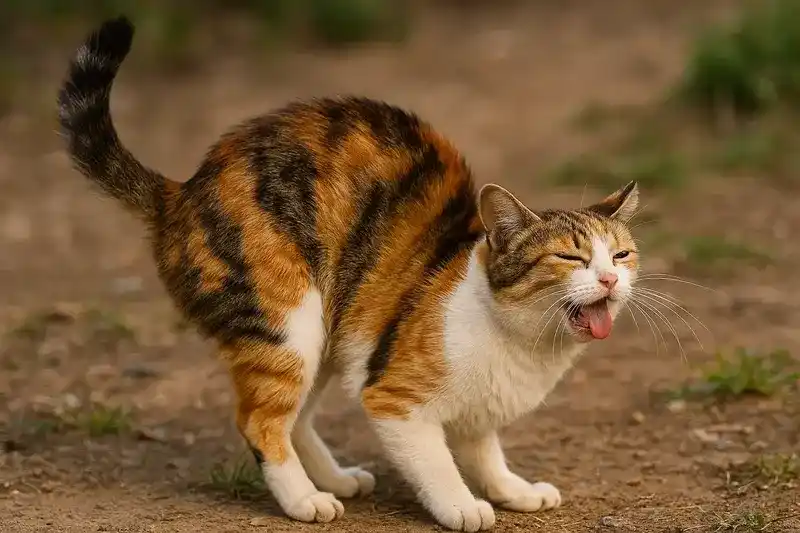
This is one of the most typical symptoms of a female cat in heat. The cat will emit frequent, high-pitched, and rhythmic meows, especially at night. This meowing is used to attract nearby male cats and is an instinctive response under the influence of sex hormones.
2.2 Increase physical friction behavior
During their heat cycle, female cats like to rub against furniture, corners, and people's legs. They mark their territory using pheromones secreted by their scent glands, which is also a form of affection.
2.3 Becomes clingy and affectionate.
Normally aloof female cats may become unusually affectionate during their heat cycle, actively approaching their owners, frequently rubbing their faces against each other, turning their bellies up, or constantly kneading their paws, exhibiting signs of emotional excitement.
2.4 Specific mating postures
When you gently touch a female cat's back, she may immediately lie down, raise her rump, and tilt her tail to one side, assuming a mating posture. This is a typical mating receptive behavior, known as the "courtship posture."
2.5 Frequent licking of the genitals
During estrus, due to genital congestion or slight swelling, female cats may frequently lick their vulva to relieve discomfort. This differs slightly from a cat's usual grooming behavior, with a significantly increased frequency and level of focus.
2.6 Obvious escape behavior
Some female cats exhibit a strong desire to go outside when in heat, attempting to escape the home to find a mate, especially unneutered indoor cats, where this behavior is particularly noticeable.
III. Physiological symptoms of estrus in female cats
3.1 Mild swelling of the vulva
Although not as obvious as in dogs, female cats' vulvas will be slightly swollen and moist during estrus, and the color will be pinkish.
3.2 Increased vaginal discharge
Some female cats may have a small amount of clear vaginal discharge, which usually doesn't have an odor. If the discharge is purulent or has an unusual odor, be alert to the possibility of a reproductive system infection.
IV. The impact of estrus on feline health and behavior
4.1 Increased mental stress
A prolonged estrus cycle can cause significant psychological stress for the mother cat, leading to symptoms such as irritability, reduced sleep, and even decreased appetite.
4.2 Increased risk of disease
Female cats that frequently go into heat but do not mate for a long time may be at risk of developing reproductive system diseases such as pyometra and mammary hyperplasia.
4.3 Leading to behavioral problems
The intense emotional changes and nocturnal mating calls brought on by estrus often cause annoyance to the owner and may even lead to conflicts with neighbors.
V. How to deal with a female cat in heat?
5.1 Undergo sterilization surgery
From the perspective of pet health and family harmony, spaying/neutering at the appropriate age is the most effective solution. Spaying/neutering not only avoids the annoyances associated with heat cycles but also significantly reduces the risk of breast cancer and uterine infections.
5.2 Increase companionship and distraction
Female cats in heat experience significant mood swings. Spending more time with them and playing with them can help distract them and reduce their anxiety.
5.3 Environmental Management
Keep doors and windows closed as much as possible to prevent the mother cat from escaping, and also keep male cats away from the outdoors to avoid causing them to become agitated.
5.4 Use of pheromone products
You can consider using cat-specific calming pheromone sprays or diffusers, which can help relieve your cat's anxiety, but this is only a supplementary method.
VI. Conclusion: Caring for female cats starts with understanding estrus.
A female cat going into heat is a natural physiological phenomenon, but the behavioral changes and health risks it brings should not be ignored. As pet owners, understanding the various signs of a female cat in heat not only helps us provide more appropriate care but also contributes to a more harmonious human-pet relationship. Whether you choose to breed your female cat or spay/neuter her, the most important thing is to give her enough understanding, companionship, and love.
When we truly step into the world of cats, we discover that behind every "meow" lies a natural need and an expression of emotion.