Dogs have been our most loyal companions for thousands of years. From fierce wolves to gentle family pets, the history of dogs is a touching story of evolution, cooperation, and trust. Today, let's explore how dogs evolved from wild wolves into modern humans' closest companions.
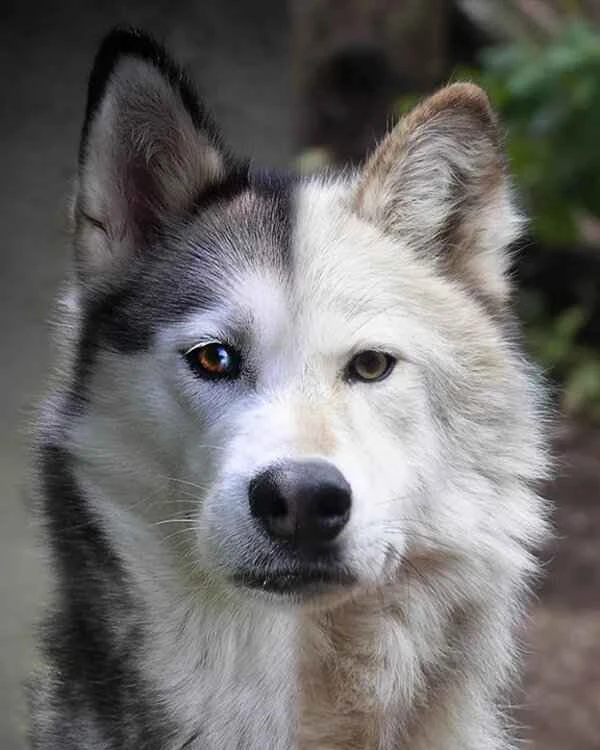
From wolf to dog
The Origin of Dogs: From Wolves to Companions
How it all started
The ancestor of the modern domestic dog (Canis lupus familiaris) is the gray wolf (Canis lupus). Scientific evidence suggests that the domestication of dogs occurred approximately 20,000 to 40,000 years ago, a period that coincided with the Ice Age, when early human contact with wolves began to increase.
Initial domestication
Archaeological discoveries, including dog skeletons found in ancient human cemeteries, have revealed the history of dog domestication. The oldest known dog carcass unearthed was found in Germany, dating back approximately 14,200 years. However, genetic research suggests that dog domestication may have occurred much earlier, possibly simultaneously in multiple regions, such as Europe, Asia, and the Middle East.
Why do wolves approach humans?
The more docile and curious wolves began to approach human camps, scavenging for leftover food scraps. Over time, a bond formed between them and humans. These wolves were gradually selected by nature, evolving more docile traits and eventually becoming domestic dogs.
The role of dogs in ancient civilizations
Early roles of dogs
With the progress of human society, dogs have become an indispensable part of human life. Their main functions include:
Hunting: Helps track and hunt prey.
Guard: Protect the camp, home, and livestock.
Partners: Providing emotional support and loyalty to humans.
The symbolic meaning of dogs
Egypt: Dogs were highly sacred in ancient Egyptian culture and associated with Anubis, the god of the underworld. Archaeologists have discovered many dogs buried with their owners, symbolizing their place in the afterlife.
China: In ancient China, dogs were symbols of loyalty and courage, and many myths featured stories of dogs protecting temples and homes.
In Greece and Rome, dogs were praised for their loyalty and bravery, appearing in works of art, literature, and military roles.
Dog funerals and ceremonies
Archaeologists have discovered that dogs are often buried alongside humans in cemeteries, highlighting the deep emotional bond between them. Many cultures regard dogs as loyal companions, thus giving them a place in posthumous rituals.
The physical evolution of dogs: from wolves to diversity
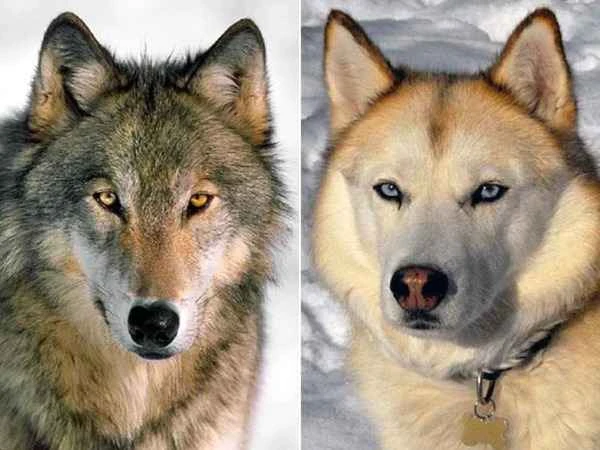
The transformation from wolf to dog
Through generations and human selection, wolves gradually evolved into animals with shorter muzzles, softer fur, and smaller bodies. These changes, driven by human needs, gradually led to the modern domestic dog.
Diversity of shapes
Dogs are one of the most physically diverse species in nature. From the small Chihuahua to the enormous Great Dane, dogs come in a wide variety of appearances, and their coat colors, patterns, and textures reflect centuries of human selection and natural evolution.
Evolution of dog breeds
Early varieties
As humans transitioned from a nomadic lifestyle to a settled agricultural society, dogs began to be bred as working partners for specific tasks. These tasks included:
Sheepdogs: Breeds like the Border Collie and the Australian Shepherd help manage livestock.
Hunting dogs: such as greyhounds and beagles, are good at tracking prey.
Guard dogs: such as Mastiffs and Rottweilers, are specifically used to protect property.
Modern varieties
Today, the American Kennel Club (AKC) recognizes more than 197 dog breeds, while the Federal Canine Organization (FCI) recognizes more than 340 breeds worldwide. Each breed has its unique characteristics and adaptability, meeting the needs of different family and work environments.
The deep bond between dogs and humans
Dogs as emotional companions
Dogs have evolved to understand and respond to human emotions. They communicate with us through body language, vocalizations, and facial expressions, making them unique companions.
Scientific research proves the emotional connection of dogs
Studies have shown that when we interact with dogs, our brains release oxytocin, a "love hormone." This physiological phenomenon explains why we develop such a deep emotional bond with dogs.
Key Nodes in the Evolution of Dogs
| era | Key events |
|---|---|
| 20,000–40,000 years ago | Wolves began to come into contact with early humans and became interdependent. |
| 14,000–15,000 years ago | The earliest domestic dogs appear in the archaeological record, indicating that dogs had begun to be domesticated. |
| 10,000 years ago | Dogs began to become important partners in agricultural societies, responsible for herding and guarding. |
| 2,000–5,000 years ago | Dogs acquired cultural and symbolic significance in ancient civilizations, becoming an indispensable part of human society. |
| Modern period | Through breed selection, the types and functions of dogs have continuously evolved to meet different social needs. |
The role of dogs in the modern world
Job Role
Even today, dogs continue to play a vital role in many areas of society, including:
Service dogs: assist people with disabilities in their daily lives.
Therapy dogs: provide emotional support in places such as hospitals and schools.
Search and rescue dogs: help find missing persons during disasters.
Police dogs and military dogs: assist in the detection of drugs and explosives, and support law enforcement work.
Dogs as pets
Although many dogs still perform working duties, most are now family members, bringing their owners endless love and companionship.
How dogs influence human life
Dogs have had a profound impact on human culture, health, and well-being:
Physical health: Dog owners are generally more likely to engage in regular outdoor exercise.
Mental health: Dogs can relieve stress, anxiety, and depression, providing emotional comfort to humans.
Social connections: When walking their dogs, dog owners often form friendships with other dog owners.
in conclusion
The history of dogs is a testament to their adaptability, intelligence, and the deep bond they share with humans. From wild wolves to loving pets, dogs have always walked alongside humans, fulfilling our needs and enriching our lives. Whether as work partners, guardians, or the closest family members, dogs have proven why they truly are "man's best friend."