Table of contents:
introduction
How to determine if a hamster is pregnant
Hamster Pregnancy: Understanding the Gestation Cycle
Preparing for baby hamsters
Hamster Giving Birth: Things You Should Know
Baby Hamster Care: Basic Precautions
How to properly handle baby hamsters
Why Hamsters Eat Their Babies and How to Deal With It
When to separate baby hamsters from their mother?
Baby hamster health: Common issues to be aware of
How to wean a baby hamster
How to socialize a baby hamster
Summarize
1. Introduction
When your hamster unexpectedly becomes pregnant and gives birth, you, as its owner, may feel a little caught off guard. But don't worry, mastering the correct care methods will not only help the mother hamster and her babies grow up healthily, but also make you a better pet owner. This article will detail the entire process from pregnancy to weaning, helping you understand how to care for a mother hamster and her babies.
2. How to determine if a hamster is pregnant
Pregnant hamsters usually show some obvious signs, which you can identify using the following methods:
Changes in body shape : The abdomen of a pregnant hamster will become noticeably swollen, which is a common sign of pregnancy.
Nesting behavior : Pregnant female hamsters will begin to look for or prepare a nest, usually by hoarding mattresses or paper scraps.
Behavioral changes : Pregnant hamsters may become more sensitive or irritable, and may even become more secretive and stay away from humans.
3. Hamster Pregnancy: Understanding the Gestation Cycle
Hamsters have a very short gestation period, about 16 to 18 days , meaning you need to be prepared quickly. While most hamsters give birth on time, sometimes they may be born early or late. Therefore, it is very important to observe changes in your hamster's body size and behavior.
4. Preparing for baby hamsters
Before your hamster gives birth, you need to prepare the following for the mother hamster and her babies:
Separate the male hamster : If you haven't done this yet, remove the male hamster immediately to prevent further pregnancy.
Provide a quiet environment : Hamsters need a quiet environment during pregnancy to avoid being disturbed by other pets or noise.
Ensure there is sufficient mattress material : Provide the mother hamster with soft mattress material to help her build a safe and comfortable nest.
Ensure adequate nutrition : Provide a healthy diet, including high-quality hamster food, vegetables, and fresh water, to support the health of pregnant hamsters.
5. Hamster Giving Birth: Things You Should Know
Hamster births are usually quick, taking anywhere from a few minutes to a few hours. Here's what you need to know about the birthing process:
Birth time : Most hamsters choose to give birth at night or during the night because they are nocturnal animals.
Number of babies : Usually 4 to 12 babies are born per litter, but it may be more or less.
No intervention required : Hamsters usually complete the birthing process on their own, and unless there are any abnormal situations, you do not need to intervene too much.
6. Hamster Baby Care: Basic Precautions
After the babies are born, you will need to take care of the health of both the mother hamster and the babies. Here are some things to pay special attention to:
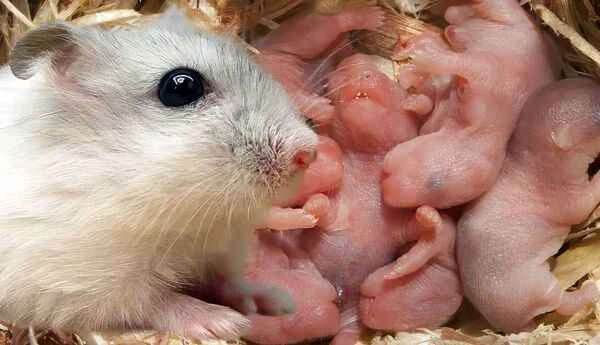
Do not disturb the nest : Mother hamsters need privacy to care for their babies. Try to avoid disturbing them, especially in the first few days after the babies are born.
Provide extra food and water : Pregnant and lactating female hamsters need more food and water, so make sure they have access to them at all times.
Avoid distractions : While you may be eager to see the babies, try to avoid excessive intervention right after birth.
7. How to properly handle baby hamsters
Many people are eager to cuddle with baby hamsters, but you need to be very careful at this time. Here's the correct way to handle it:
Do not disturb your baby within the first week after birth : Newborns are very fragile, and it is best to wait at least a week before gently touching them.
Treat gently : If you must handle your baby, wear gloves or touch them gently with clean hands to avoid excessive interference.
8. Reasons why hamsters eat their own babies and how to deal with it.
Although this is a rare behavior, mother hamsters sometimes eat their own babies. Common reasons include:
Excessive stress : Female hamsters may experience excessive anxiety due to environmental changes or disturbances.
Baby health issues : If the baby hamster looks weak or sick, the mother hamster may sometimes eat it.
Malnutrition : If the mother hamster does not get enough food, she may eat her babies to supplement her nutrition.
If you notice this, try to minimize environmental disturbances and ensure the mother hamster has enough food and water.
9. When to separate baby hamsters from their mother?
Generally, baby hamsters need to be separated from their mothers when they are 4 weeks old . By this time, they are able to eat independently and are no longer dependent on their mother's milk. To prevent further breeding, it is recommended to separate male babies from female babies.
10. Hamster Baby Health: Common Issues to Note
When caring for baby hamsters, you need to pay special attention to the following health issues:
Dehydration : Babies may become dehydrated, so make sure they have access to water regularly. If you notice your baby is dehydrated, you can gently give them water with a cotton swab.
Weakness or illness : If you notice your baby is weak or shows signs of illness, contact your veterinarian as soon as possible.
Injuries : Sometimes babies get injured while playing. When you find a wound, treat it promptly and observe its recovery.
11. How to wean baby hamsters
Baby hamsters typically begin weaning around 3 weeks old . You'll need to provide them with high-quality hamster food, fresh vegetables and fruits, and ensure they have plenty of water. You can gradually reduce the frequency of nursing by the mother hamster.
12. How to socialize baby hamsters
Early exposure to humans helps baby hamsters adapt to their environment and build trust. Here are some tips for socializing baby hamsters:
Start exposing them after 1 week : Once the baby has passed the initial vulnerable period of the first few days, you can start exposing them to them.
Rewards and positive reinforcement : Feed babies snacks or toys to help them establish a positive association with humans.
Be patient : Socialization takes time, and you can't force your baby to interact with humans.
13. Summary
Caring for baby hamsters is a challenging yet enjoyable process. Understanding pregnancy, childbirth, and the baby's development will help you provide the best environment for the mother hamster and her babies. Remember to minimize disturbances, maintain a quiet and clean environment, ensure the mother hamster has plenty of food and water, and socialize and wean at the appropriate time. With careful care, you can ensure your hamster family thrives and enjoy precious time with your little ones.