If you're interested in the world of aquariums, or simply want to learn about some interesting fish, then "true angelfish" are definitely worth paying attention to. These fascinating creatures come in a variety of shapes, sizes, and colors, making them beloved by aquarium enthusiasts. Today, let's explore angelfish together, from their varieties and characteristics to care tips—leaving no stone unturned!
What is a "real angelfish"?
First of all, let me clarify that "real angelfish" are mainly divided into two categories: freshwater angelfish and saltwater angelfish .
Freshwater angelfish : such as the common angelfish (Pterophyllum scalare) , which belongs to the cichlid family and is suitable for keeping in home aquariums.
Marine angelfish : such as the emperor angelfish and the queen angelfish , they live in marine environments such as coral reefs, and are very eye-catching with their colorful appearance.
Main types of angelfish
Freshwater Angelfish
These fish are suitable for beginners; common varieties include:
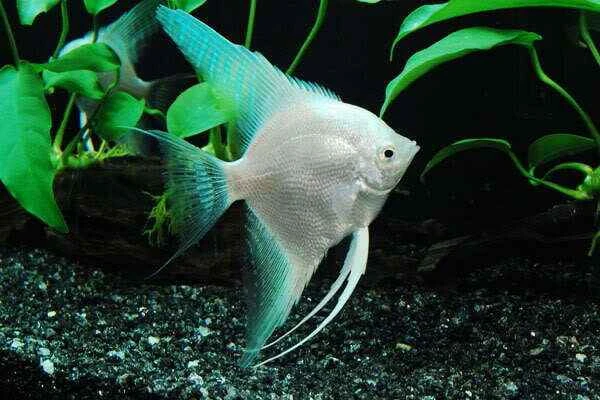
Veiltail angelfish : Known for its elegant, flowing long fins.
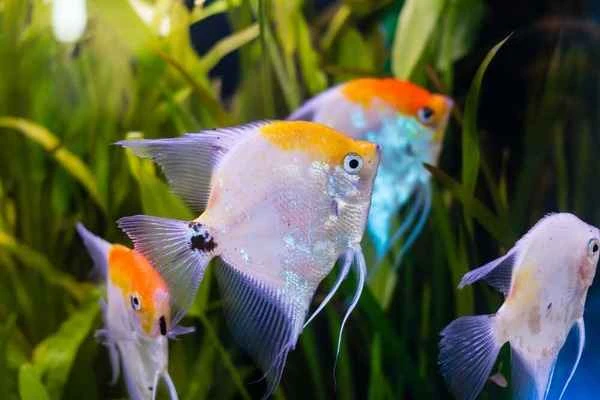
Koi angelfish : It has the same bright patterns as koi.
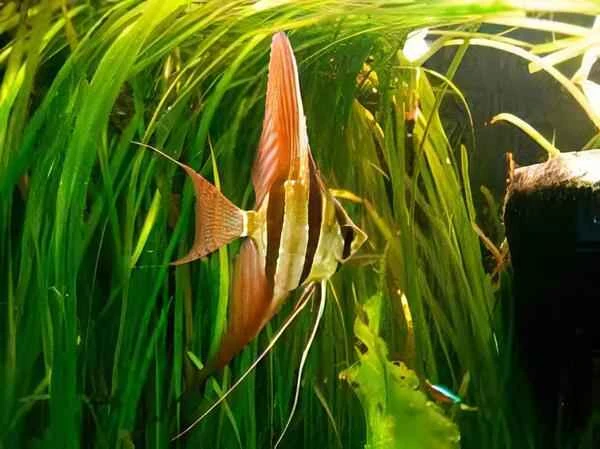
Altum angelfish : It is taller and has a more graceful appearance.
Sea Angelfish
Although beautiful, they require more care, including:
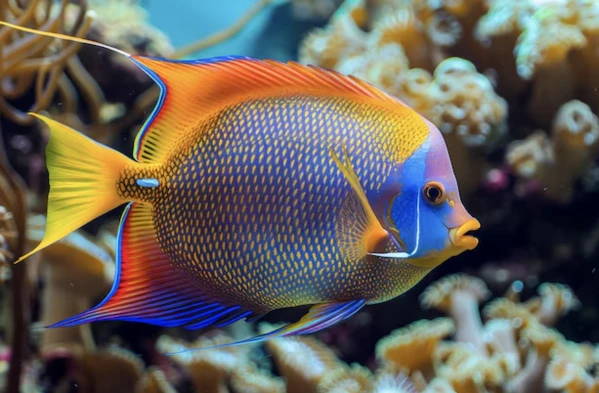
Queen angelfish : Known for its bright blue and yellow coloration and the "crown" pattern on its head.
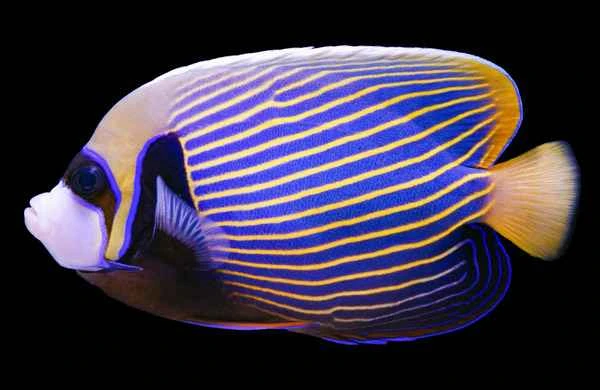
Emperor angelfish : Its stripes change as it grows, making it very unique.
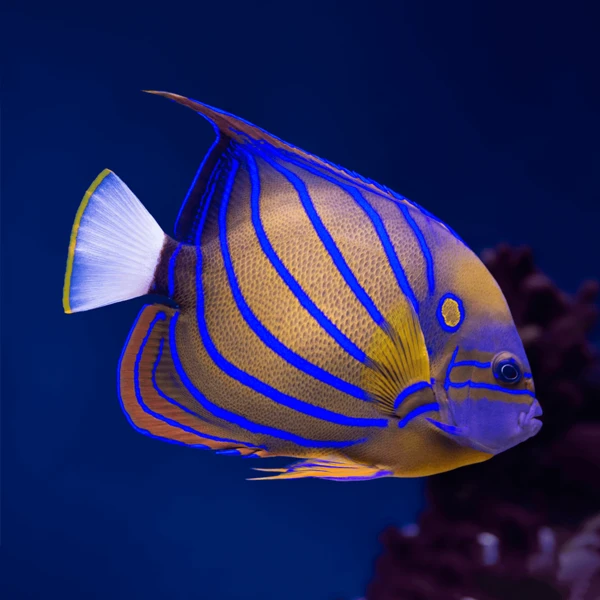
Blue angelfish : It attracts people's attention with its gorgeous blue-green appearance.
What makes angelfish special?
Angelfish are not only outstanding in appearance, but also have many other unique characteristics:
Appearance : Their distinctive disc-shaped bodies and high dorsal fins make them instantly recognizable.
Colors and patterns : from stripes to spots, the various designs are like living works of art.
Behavior : Angelfish are slightly aggressive, especially when protecting their territory, but they are also lively and playful, making them very interesting to watch.
How to raise angelfish
Whether freshwater or saltwater, angelfish can thrive with proper care.
Fish tank setup
For freshwater angelfish: you will need at least a 20-gallon aquarium, preferably taller to suit their size.
For marine angelfish: a coral reef style setup is most suitable, requiring ample hiding places and swimming space.
Water quality parameters :
Freshwater: pH 6.5–7.5 , temperature 24–28°C .
Seawater: Stable salinity, temperature maintained at 22–25°C .
Feeding techniques
Angelfish are not picky eaters, but different species have different needs:
Freshwater angelfish :
Fish food (pellet type)
Frozen bait (such as bloodworms and brine shrimp)
Vegetables (spinach or sliced zucchini are both good)
Saltwater Angelfish :
algae feed
Meat bait (such as mysids or chopped seafood).
Can angelfish breed?
Of course you can! But it requires some skill.
Freshwater angelfish are relatively easy to breed: you'll see paired angelfish clean a flat surface before laying eggs. Once the eggs hatch, the parents usually care for the "fry".
Breeding marine angelfish is more complex and requires specialized equipment and extensive experience.
Lifestyle of wild angelfish
In nature, freshwater angelfish live in the slow-moving rivers of South America, while saltwater angelfish prefer warm coral reef environments. They often form symbiotic relationships with other marine organisms, such as helping larger fish to remove parasites.
Common problems in raising angelfish
Like any pet, angelfish may present some challenges in their care:
Diseases : Freshwater angelfish are prone to fin rot, while saltwater angelfish are prone to white spot disease.
Territorial disputes : They may chase other fish, so choosing the right aquarium companions is very important.
Water quality issues : Angelfish are very sensitive to sudden changes in pH and temperature.
Why are angelfish so popular?
Angelfish are more than just aquarium pets; they're like living works of art. Their beautiful appearance, elegant swimming style, and lively personality make them one of the most popular ornamental fish. Moreover, with proper care, angelfish can live for 10 to 15 years, enough to keep you company for a long time!
Frequently Asked Questions about Angelfish
Q: Are angelfish suitable for beginners?
Freshwater angelfish are suitable for beginners because they are relatively easy to keep, as long as the water quality is maintained well. However, keeping saltwater angelfish requires more experience.
Q: How big can angelfish grow?
Freshwater angelfish can grow up to 6 inches long and 8 inches tall, while saltwater angelfish are even larger, with some species reaching up to 15 inches.
Q: Can angelfish be kept with other fish?
Yes, but avoid fish that are too aggressive or too small. Freshwater angelfish are suitable to be kept with docile fish, such as tetras or dwarf angelfish.
Whether you're new to the world of aquariums or a seasoned aquarist, angelfish can add a touch of brilliance to your tank. Their vibrant colors, graceful movements, and unique personalities make them one of the most popular ornamental fish worldwide. Ready to welcome your new friend?