Currently, as many as 27 subspecies of wildcats have been identified. They mainly inhabit deserts, scrublands, and jungles, are typically nocturnal, and prey on small animals. However, due to the impact of human activities, their numbers have declined sharply, facing the threat of extinction. This article will introduce some of the world's rarest cat species, including the leopard cat, lynx, ocelot, small Indian civet, serval, golden cat, caracal, desert cat, fishing cat, and Pallas's cat. Let's learn about these endangered felines!
1. Leopard cat (a Class II protected animal)
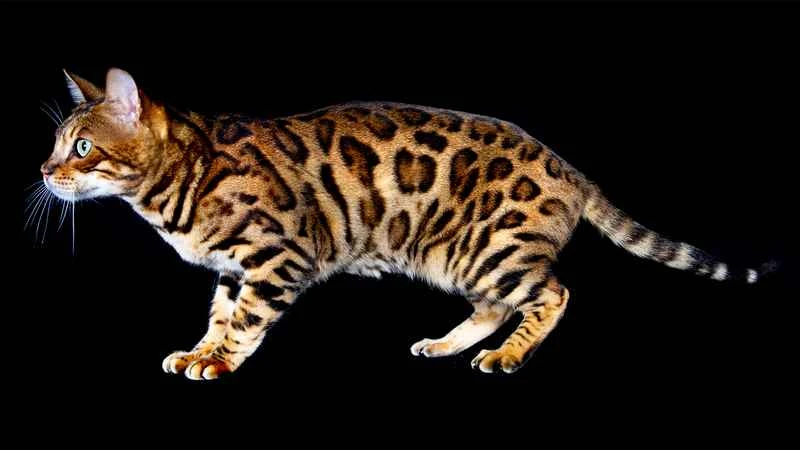
The leopard cat is also known as the "money cat" in China because its spots resemble the shape of ancient copper coins. It is similar in size to a domestic cat but more slender with longer legs. A rare breed, it is listed as a Class II protected animal in China. Leopard cats are introverted and prefer solitude. They primarily inhabit woodlands, rural areas, and shrublands, feeding on small birds, fish, and small reptiles.
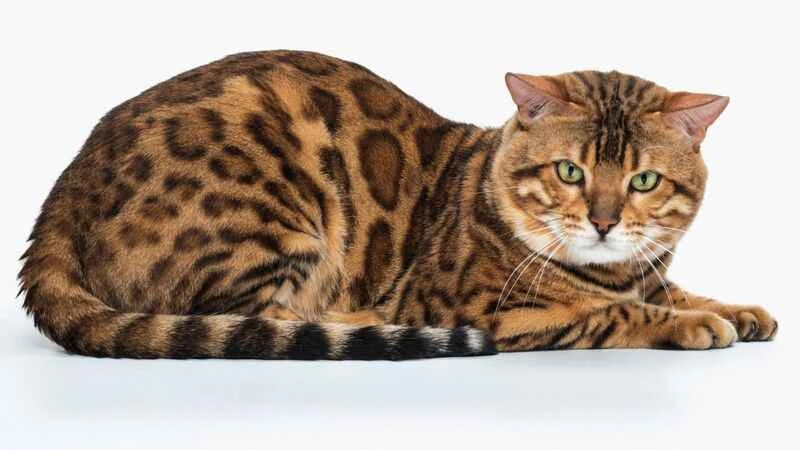
In the wild, leopard cats have an average lifespan of about 4 years, while in captivity, their lifespan can extend to 20 years. Today, leopard cat populations are declining at an alarming rate, and they have been listed in the IUCN Red List of Threatened Species (2012) and the National Red List of Threatened Animals (Class: Vulnerable).
2. Lynx (a Class II protected animal)

The lynx is a cat-like animal, but much larger than a typical cat, also known as the mountain cat or lynx. They are athletic, agile, and strong-limbed, typically weighing between 18 and 32 kilograms. They are a Class II protected animal in China and one of the cat breeds banned from being kept as pets domestically. Due to their wolf-like appearance, they are also sometimes called wolfcats.
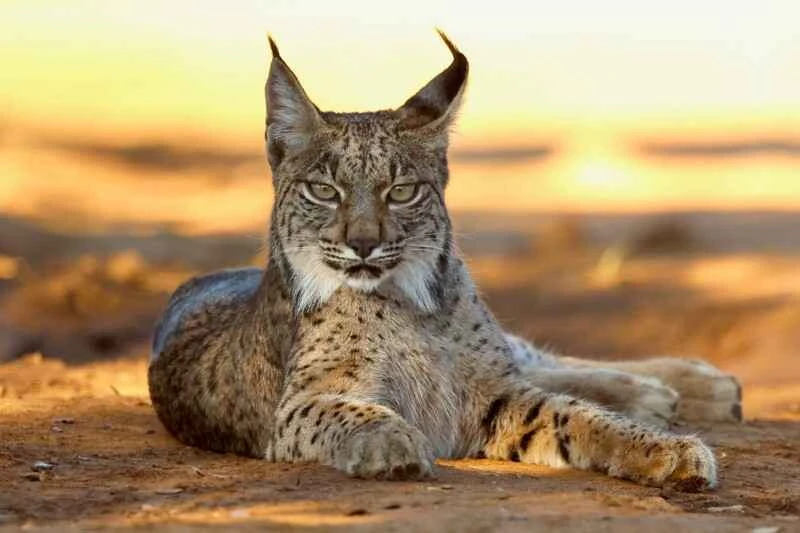
Lynxes are mainly distributed in subarctic regions. They are solitary, highly adaptable, and typically prey on rodents and rabbits. They are excellent climbers and swimmers, and can quickly climb trees to escape danger. In Romania, the lynx is considered the national animal, highlighting its rarity.
3. Ocelot (a Class I protected animal)
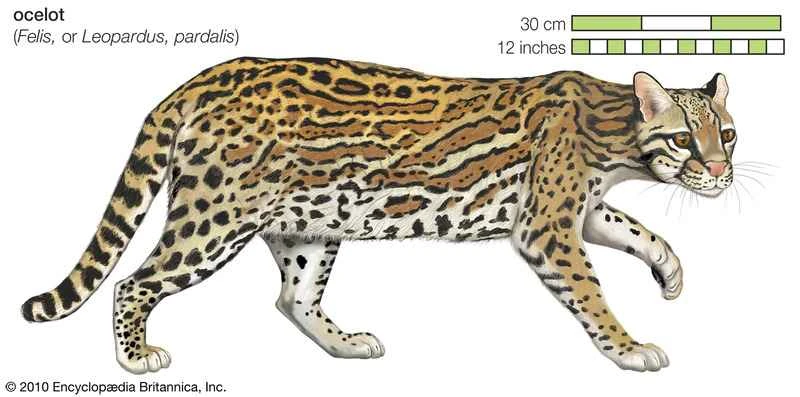
The ocelot is a Class I protected animal and is also listed as one of the world's top ten prohibited cat species. Its stripes resemble those of a tiger, and it is slightly larger than a domestic cat. Ocelots primarily inhabit tropical rainforests, alpine forests, and dense thickets. They are adept climbers and jumpers, and feed on animals such as monkeys, armadillos, turtles, and snakes.
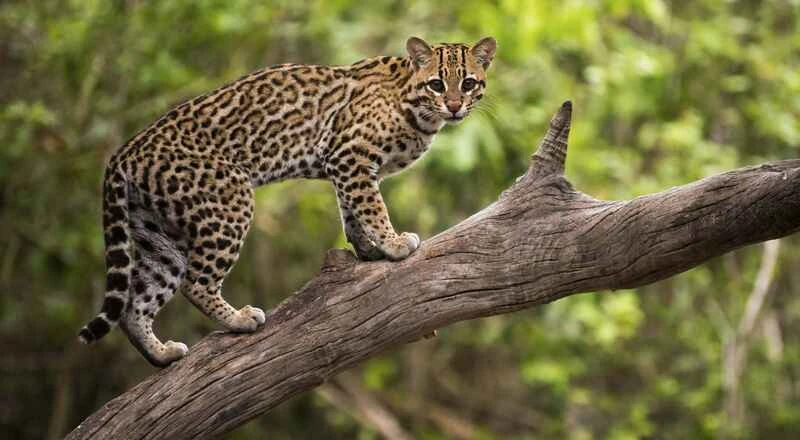
Ocelots are typically nocturnal, giving them exceptionally keen night vision and a very strong sense of territory. Once one of the most hunted wild animals in the Americas, the ocelot is now listed as an endangered species.
4. Small Indian Civet (a Class II protected animal)

The small Indian civet, also known as the seven-striped civet, black-footed civet, arrow civet, spotted civet, or fragrant civet, belongs to the genus *Civet* of the family Viverridae. This animal is a Class II protected animal in China and one of the internationally endangered feline species. The small Indian civet's body is covered in gray-black stripes, and its tail is both long and flexible. It is a solitary, nocturnal animal, typically resting during the day and active at night. It is both clever and timid, quickly hiding at the slightest disturbance.

The Indian civet is adept at climbing trees and can swim. It is very sensitive to unfamiliar things. Its limbs are strong, with its hind limbs slightly longer than its forelimbs, making it very cute.
5. Serval
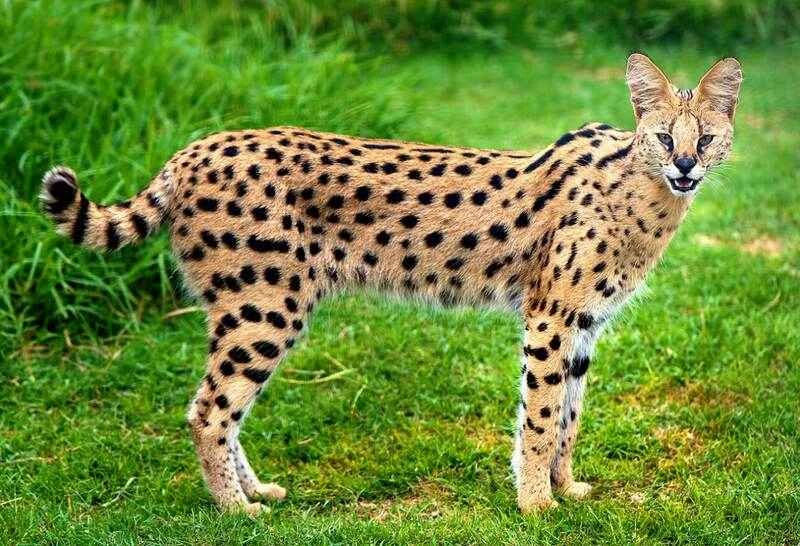
The serval resembles a small cheetah, with yellow fur and black spots, and long, slender limbs and torso. Known as the "child of the night" on the African savanna, it is most active at dusk and dawn. With its amazing leaping ability and running speed, the serval can catch rodents, rabbits, and even fish in the water. The average lifespan of a wild serval is about ten years, with some living up to twenty-three years.
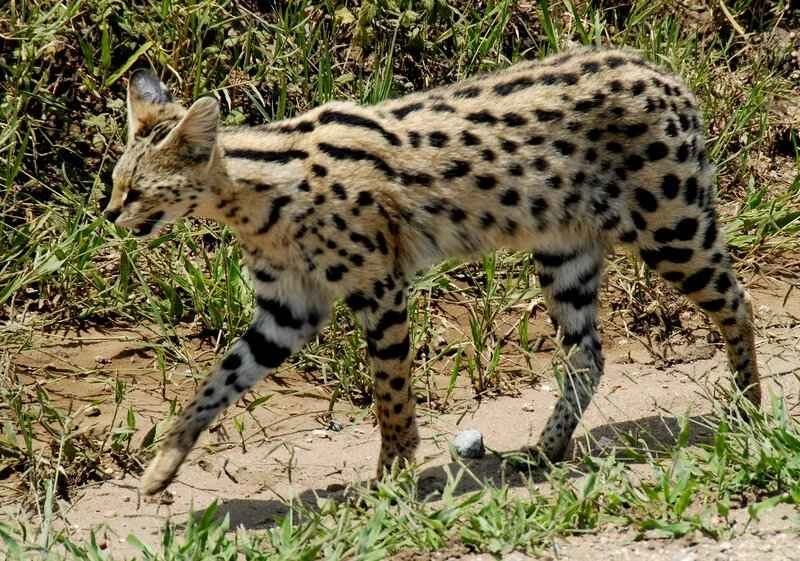
Like most felines, servals are highly territorial. Except during the breeding season, they are almost always solitary and adept at hiding in the grass, patiently waiting for prey. Due to their unique characteristics, servals are among the most banned breeds of cats worldwide.
6. Golden cat (a Class II protected animal)
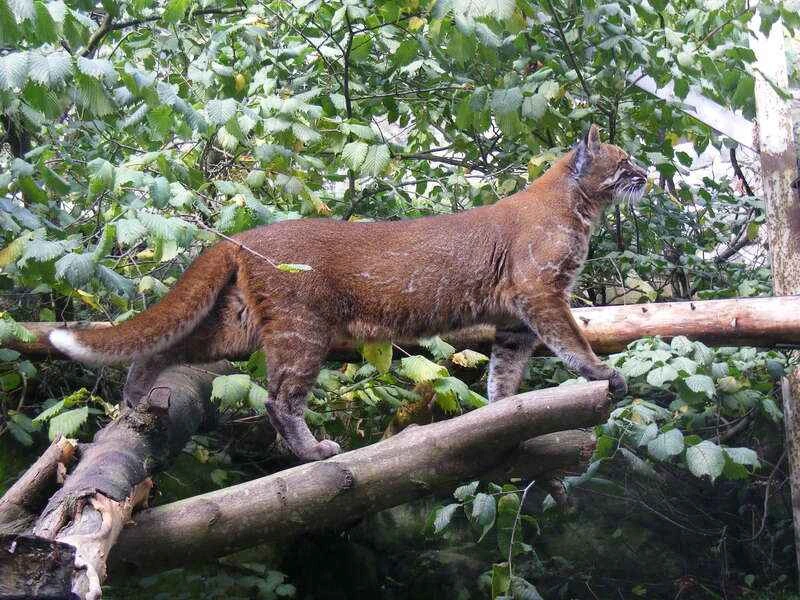
The golden cat is a medium-sized feline, with females typically smaller than males. Listed as a Class II protected animal in China, it is extremely rare in the wild, primarily inhabiting subtropical broad-leaved forests and feeding mainly on rodents. The golden cat's distribution includes China and Southeast Asia.

These cats have very strong muscles and are primarily nocturnal, adept at hiding in dense forests and observing their prey. They are agile and often ambush prey. Golden cats are fierce, with extremely keen hearing and vision; their sharp teeth can quickly pierce the body of their prey, making them formidable fighters. Therefore, they are considered one of the world's top ten banned breeds of cat.
7. Caracal
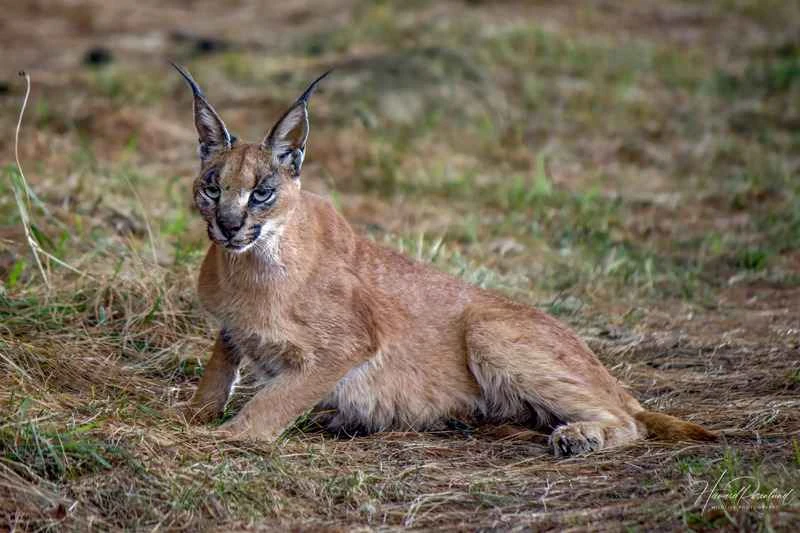
The caracal is a medium-sized feline that typically lives alone or in pairs, exhibits strong territoriality, and has an average lifespan of up to 19 years. They primarily inhabit arid wild regions and possess a strong sense of territory, often marking their territory with urine.

The caracal has excellent jumping ability, runs fast, and can nimbly catch birds.

In addition, caracals are very resilient and can survive for long periods without drinking water, relying on the bodily fluids of their prey to maintain hydration.
8. Desert cat (a rare and protected animal)
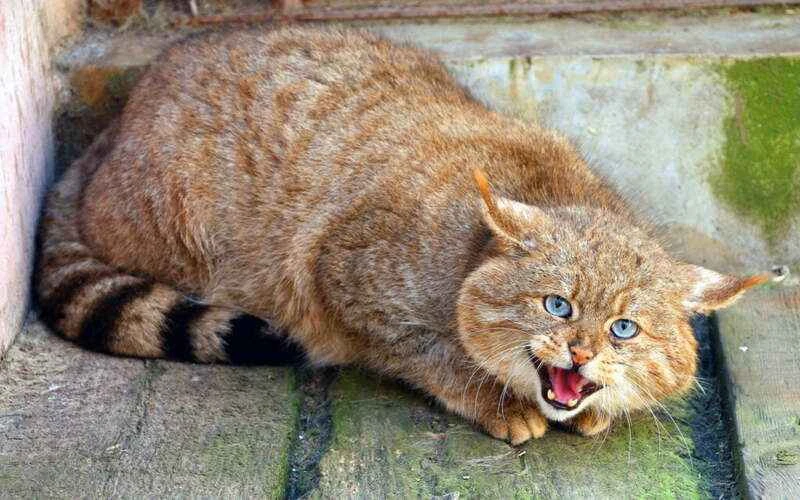
The desert cat is a mammal belonging to the genus *Felidae* of the family Felidae. It is a relatively rare cat, slightly larger than a domestic cat, and can adapt to harsh climates and changeable environments, living in deserts and alpine scrublands.
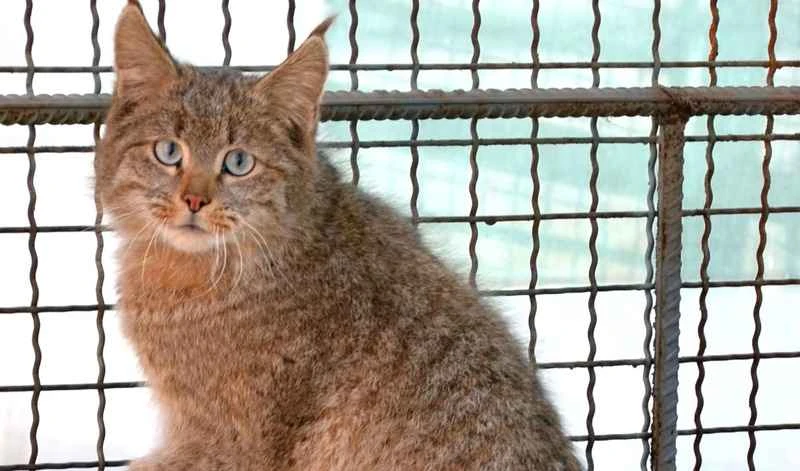
The desert cat is a species unique to China and is listed as a national rare and protected animal; hunting, selling, and keeping as a pet are prohibited. They are nocturnal animals that hunt prey such as marmots and rabbits using their keen eyesight, sense of smell, and hearing.
9. Pallas's cat (a Class II protected animal)
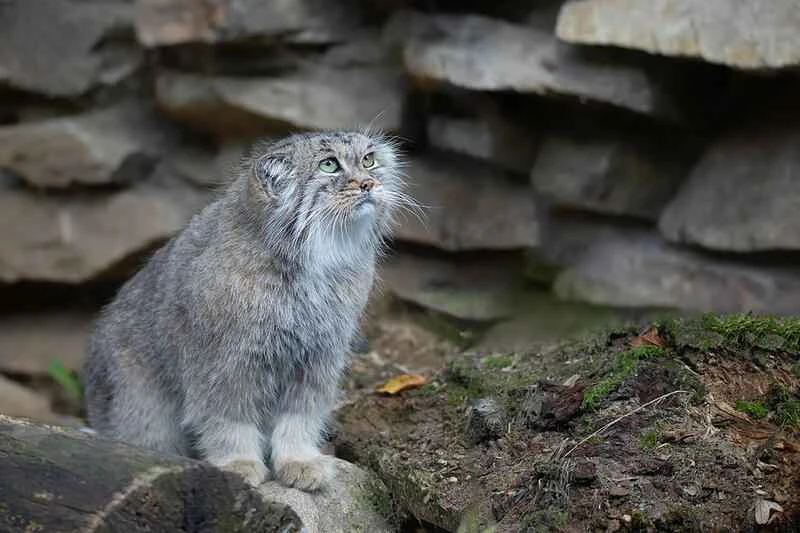
The Pallas's cat, also known as the rabbit cat, is an endangered species and is prohibited from being kept as a pet. Pallas's cats have a stocky build, similar to domestic cats, and typically weigh between 2 and 3 kilograms. They possess dense fur and are able to adapt to and survive in cold and barren environments such as deserts, Gobi, and grasslands.
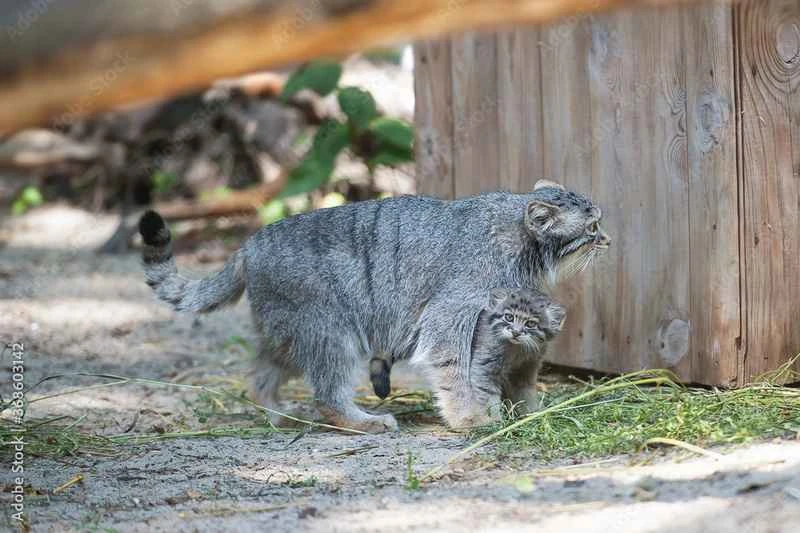
As a Class II protected animal in China, the Pallas's cat is known as the world's most ferocious cat, with a wild and aggressive nature, and mainly feeds on small animals such as mice and rabbits.
10. Fishing cat (a Class II protected animal)

The fishing cat is a medium-sized feline that primarily feeds on fish. They mostly inhabit freshwater-rich areas such as rivers, reed wetlands, and mangrove wetlands in South and Southeast Asia, hence the name "fishing cat" or "wetland fisherman".
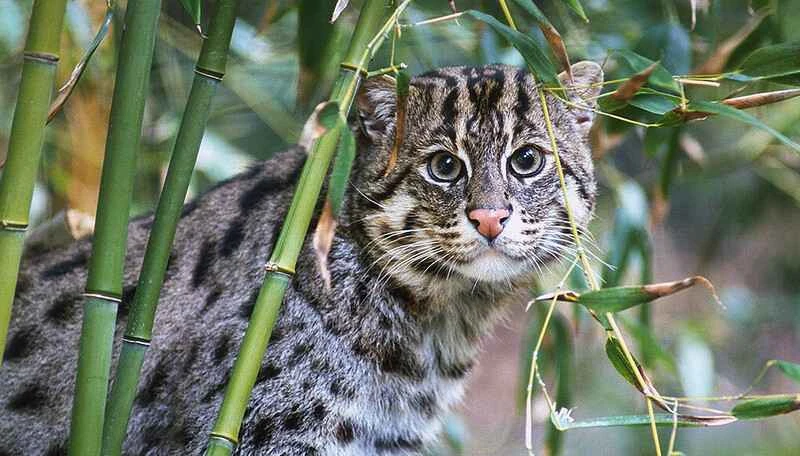
The fishing cat is fierce and wild, and is one of the world's most famous cat breeds that is prohibited from being kept as a pet. They are excellent swimmers, able to hunt in water, and are nocturnal animals. Currently, the fishing cat is listed as an endangered species and is a Class II protected animal in China.
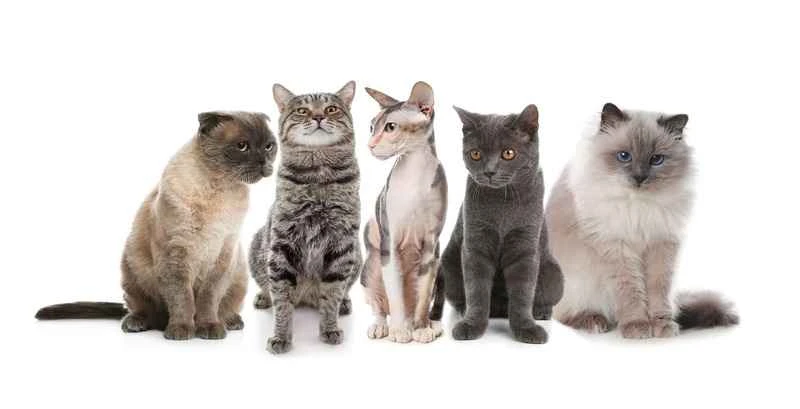
Our list of the world's top ten banned cat breeds is primarily based on factors such as the cats' fame, breed, and lifestyle habits, and also incorporates information from multiple online ranking lists. Please note that this list is for reference only. If you have any questions, please feel free to comment and discuss below!