Toads are a relatively special species for farming, requiring special attention to their environmental and husbandry conditions. The following is a detailed introduction to toad farming:
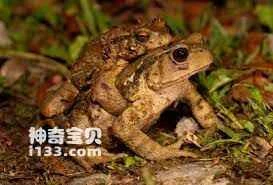
Habitat :
Humidity: Toads are humidity-sensitive animals and require a high humidity environment, usually maintained in the range of 60%-80%.
Temperature: Toads prefer a relatively cool environment, with a temperature of 15-25 degrees Celsius being most suitable.
Habitat layout :
Water source: Provide clean water sources within the habitat to ensure that the toads have access to them at all times, while preventing them from drowning.
Refuges: Toads create refuges within their habitat, such as bark, rocks, or plants, for them to rest and hide.
feed :
Food: Toads primarily feed on insects, including maggots, ants, slugs, and flying insects. Ensure a fresh and nutritious diet is provided.
Feeding frequency: Keepers should control the toads' food intake and avoid overfeeding. They should usually be fed once every 2-3 days.
Veterinary health care :
Health checks: Regularly check the toad's physical condition, including its skin, eyes, and behavior, to ensure it is free from disease or parasites.
Disease management: If a toad shows any abnormalities, it is necessary to contact a veterinarian promptly and provide appropriate treatment.
Social interaction and observation :
Solitary keeping: It is best to keep toads alone and avoid keeping different species of toads together.
Observation and interaction: Regularly observe the toad's behavior and appetite in order to detect abnormalities in a timely manner and take appropriate measures.
legality :
Farming toads requires compliance with local laws and regulations to ensure legal operation.
It is important to note that toads are highly toxic. When keeping toads, avoid contact with their skin secretions and body fluids, and use protective measures such as gloves when cleaning their habitat and feeding them.