"Aggressive dog" is generally used to describe a dog that is highly aggressive or threatening. The term "aggressive" can be used to describe an extreme level of aggression or behavior that poses a great threat to humans and other animals.
In many countries and regions, certain breeds of dogs, such as Bulldogs, Dobermans, and Rottweilers, may be perceived as "aggressive dogs" and thus suffer a degree of discrimination. This perception is usually based on overgeneralization and misunderstanding of certain breeds or types of dogs.
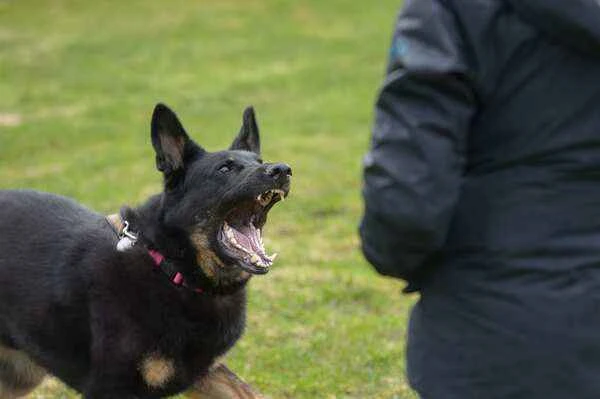
Encountering a fierce dog can be a stressful and unsettling situation. Here are some suggestions for handling this situation:
keep Calm
Staying calm is the first step in handling any emergency. Although facing a fierce dog can be frightening, try to remain composed.
Do not provoke.
Do not make provocative gestures towards a dog, such as shouting, suddenly running, or staring directly at it. This may escalate the dog's aggression.
Slowly back
If possible, back up slowly and smoothly, avoiding sudden movements, while keeping your eyes to the side to monitor the dog's movements.
Protect yourself
If possible, use nearby items (such as coats, bags, umbrellas, etc.) to protect yourself and place them in front of the dog as a barrier.
Avoid direct visual inspection
Distract them. Avoid direct eye contact with the dog, as this is likely to be perceived as a provocation.
Avoid escape
Try to avoid sudden running away, as this may anger the dog and cause it to chase and attack.
Seek help from professionals
If a dog continues to exhibit aggression, especially if it poses a clear threat to humans, you should seek help from animal control or the police immediately.
Avoid contact with unfamiliar dogs
Avoid contact with unfamiliar dogs when the owner is not present.

It's important to remember that every situation is unique, and the solutions will vary depending on factors such as the environment, the breed of dog, and its behavior. If possible, avoid contact with rabid dogs and consider receiving training to better handle such situations.
It is important to note that assessments of canine behavior should be based on their behavioral patterns and individual characteristics, not solely on their breed or appearance. Most dogs are friendly, and their behavior depends on their training, socialization, and environment.

However, it is important to emphasize that aggressive behavior in dogs is usually modifiable and manageable, and not all dogs of a particular breed or type will exhibit aggressive behavior. For any dog, it is crucial to provide appropriate training, socialization, affection, and reasonable care to reduce the occurrence of aggressive or threatening behavior.