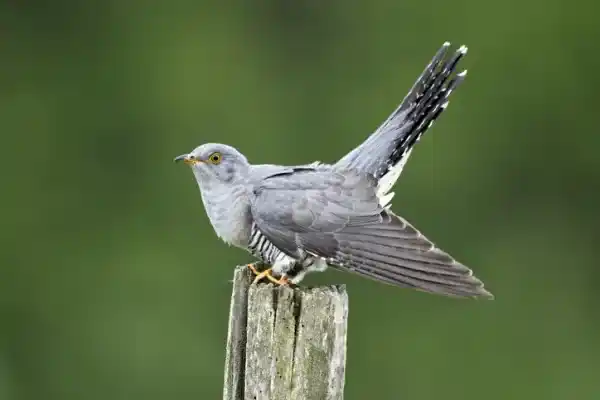
Parrots ( Psittaciformes ), including parrots, macaws, cockatoos, green-cheeked conures, and budgerigars, are among the world's most charming and intelligent birds. However, they are now facing a serious survival crisis.
The international illegal wildlife trade and habitat loss caused by human activities have made this group one of the most threatened bird species in the world .
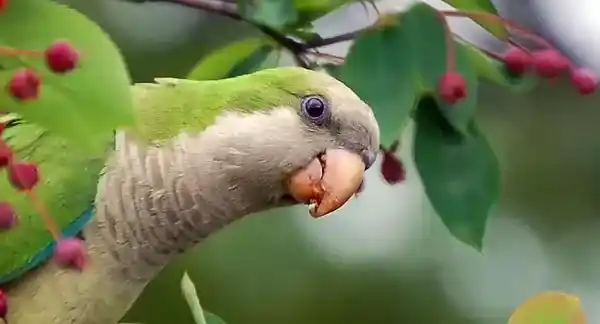 According to a recent study published in the journal Biodiversity and Conservation by BirdLife International and the Australian National University, about one-third of parrot species are critically endangered or endangered .
This article will provide an in-depth analysis of why parrots are threatened with extinction, which species are most vulnerable, and the importance of protecting them.
More than half of parrot species are threatened.
This study indicates that the extinction risk of parrots is at the same level as the world's most endangered seabird populations , and even higher than that of long-persecuted birds of prey (such as eagles and falcons) .
The main reasons for this dire situation include:
Illegal capture and smuggling <br/>Parrots, with their bright plumage, intelligent nature, and ability to mimic human language, have long been a popular target in the illegal pet trade.
According to data from the World Wildlife Fund (WWF), hundreds of thousands of wild parrots are captured and smuggled to the black market every year, with the vast majority of young birds dying during transport.Habitat Destruction and Degradation <br />Parrots primarily inhabit tropical and subtropical forest ecosystems. However, large-scale deforestation, agricultural expansion, and urbanization are continuously shrinking their living space.
For example, large-scale deforestation in the Amazon rainforest of South America has deprived many parrots of their nesting and foraging grounds.Combined ecological factors : Some parrot species are large and long-lived, but have slow breeding cycles, lay few eggs at a time , and typically take many years to reach sexual maturity. This makes their populations more difficult to recover from hunting or environmental changes.
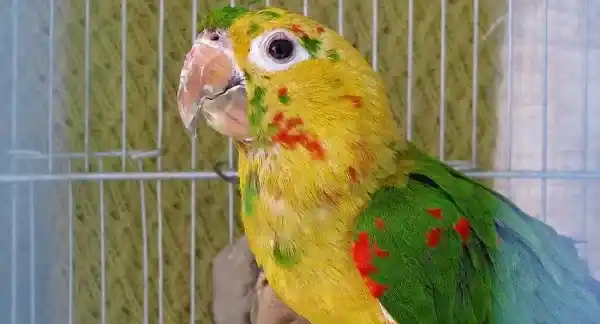
Stuart Butchart, chief scientist at BirdLife International, points out:
“Parrots face a wide range of complex threats, with approximately 56% of parrot species currently threatened , meaning they could disappear in the coming decades.”
Three of the most vulnerable parrot species
The study also highlighted three of the most vulnerable parrot groups :
1. Species with extremely small distribution range
For example, some parrots, endemic to Caribbean or South Pacific islands, live only in limited island forests.
These species often face devastating blows when typhoons, deforestation, or invasive alien species occur.
2. Large, long-lived species with low reproductive rates
Such as macaws and cockatoos.
These birds typically breed only once or twice a year, laying a small number of eggs each time, and it takes many years for them to mature, so the population recovers extremely slowly.
3. Forest-inhabited species
Most parrots rely on tree cavities in forests to build their nests. If forests are completely cleared, they lose their space to survive and reproduce, and often have no alternative habitats.
Large parrots are already a smaller species, making them more vulnerable to illegal hunting and the pet trade.
Analysis of the main threats faced by parrots
Habitat loss
Millions of hectares of tropical forests disappear every year due to agricultural development and infrastructure construction, directly destroying the parrots' habitat.
Forest fragmentation also hinders gene flow between parrot populations, increasing the risk of inbreeding.
Illegal hunting and smuggling
Some brightly colored parrot species that can mimic speech fetch high prices on the black market, making them prime targets for smugglers.
For example, the yellow-necked Amazon parrot of Central America and the blue-and-gold macaw of South America have been captured on a large scale in the pet trade.
Natural disasters and climate change
Extreme weather events such as forest fires, hurricanes, and prolonged droughts have a huge impact on forest habitat species, further weakening their survival capabilities.
How to protect endangered parrots
To prevent parrots from going extinct, global cooperation and integrated governance are needed:
Strengthen habitat protection and restoration
Expand the protected areas of tropical rainforests and wetlands
Implement sustainable forestry and land use policies
Establish ecological corridors to ensure passage for parrot migration and gene exchange.
Combating the illegal wildlife trade
Strengthen law enforcement and cross-border cooperation to severely punish poaching and smuggling.
Raise public awareness of the dangers of buying illegal pets and reduce market demand.
Promoting Community Participation and Ecotourism <br />Through education and sustainable tourism projects, local residents can be made aware of the ecological and economic value of live parrots, thereby spontaneously participating in their conservation.
Support scientific research and artificial breeding programs
Establish breeding centers for endangered parrots
Increase wild populations through artificial incubation and scientific release.
Enhanced monitoring of wild populations using satellite tracking and DNA testing.
In conclusion: Protecting parrots is protecting the ecological balance.
Parrots are not only beautiful ornamental birds, but also important seed dispersers in tropical forest ecosystems .
Once they disappear, forest regeneration and biodiversity will suffer irreversible losses.
Today, more than half of the world's parrot species are endangered or threatened.
We must take action to curb illicit trade, protect forests, promote community involvement and scientific research in order to preserve a blue sky where these intelligent and beautiful birds can soar freely.